In recent years, the question of what a museum for Africans looks like has grown louder, sparked by global debates on restitution, decolonisation, and the urgent need to tell our own stories in our own spaces. For too long, African museums were either colonial institutions transplanted into African cities or architectural replicas of European models, housing collections framed through an outsider’s gaze.
Today, a new vision is taking shape: museums designed, curated, and imagined from an African perspective. These spaces are not just repositories of history, they are living cultural ecosystems, rooted in community, creativity, and self-determination.
Designing from the ground up
A truly African museum begins with the way it looks and feels. In Dakar, the Museum of Black Civilisations draws inspiration from the circular homes of southern Senegal, its architecture signalling continuity between tradition and modernity. In Kenya, the African Heritage House blends Swahili, West African, and Sudano-Sahelian forms, creating a space that is a work of art in itself.
These structures are more than buildings, they’re statements. They declare that Africa’s built heritage can stand alongside, and apart from, the Western canon.
Repatriation and self-representation
As calls for the return of stolen African artefacts gain momentum, museums across the continent are preparing to receive and reinterpret them. Nigeria’s forthcoming Museum of West African Art (MOWAA) will feature cutting-edge conservation labs, immersive galleries, and even a rainforest experience. It’s a direct rebuttal to the idea that African institutions lack the capacity to care for their heritage.
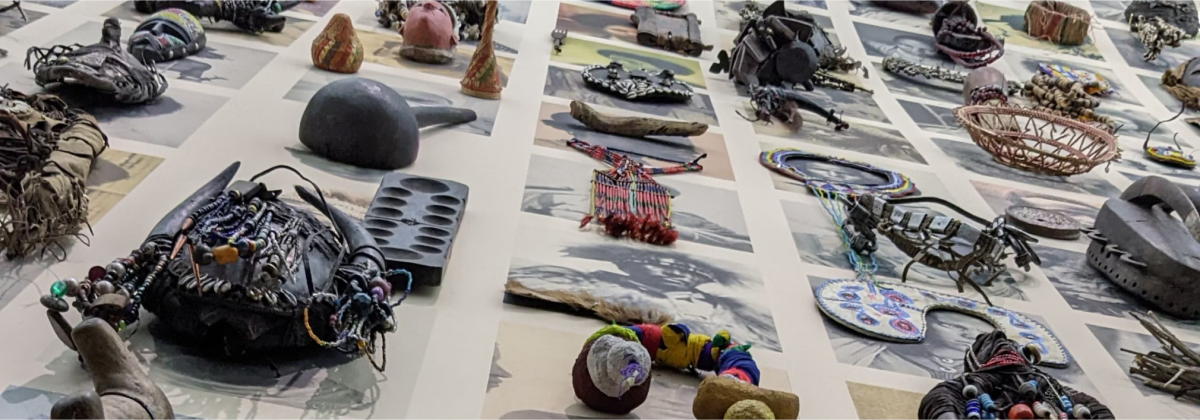
Here, returned objects are not just placed in glass cases, they are recontextualised through African storytelling, rituals, and scholarship.
Community at the centre
African-designed museums are shifting from top-down to bottom-up curation. Communities are invited to co-create exhibitions, choose which stories are told, and decide how they’re displayed. In KwaZulu-Natal, the “Museum in a Box” project empowers Zulu artists to narrate the histories of objects often dismissed in colonial archives.
This participatory approach ensures museums are not static temples, but dynamic spaces that reflect the lived experiences of their audiences.
Digital spaces and new access
Physical buildings are only part of the picture. The Women’s History Museum of Zambia operates as a vast digital archive, holding over 5 000 items that centre women’s stories. Such virtual initiatives allow access for communities far from major urban centres, and create a form of digital repatriation when physical restitution is delayed.
Cultural hubs, not just galleries
These new museums blur the boundaries between exhibition, performance, research, and activism. They host concerts, workshops, and residencies. They are spaces to question, to imagine, to create. Kenya’s planned Ngaren Museum, for example, will situate the story of human evolution in the Rift Valley, where it began, transforming global history into a local experience.
Towards an African museum future
The African museum of the future will not look like its colonial predecessors. It will draw from indigenous forms, embrace technology, honour community voices, and reclaim our heritage. It will be as much about now as it is about then, a place where history, identity, and imagination meet.
As these spaces emerge across the continent, they remind us that Africa is not merely the subject of history – we are its authors, archivists, and architects.