University of Johannesburg, Department of Architecture Year 3, 2026
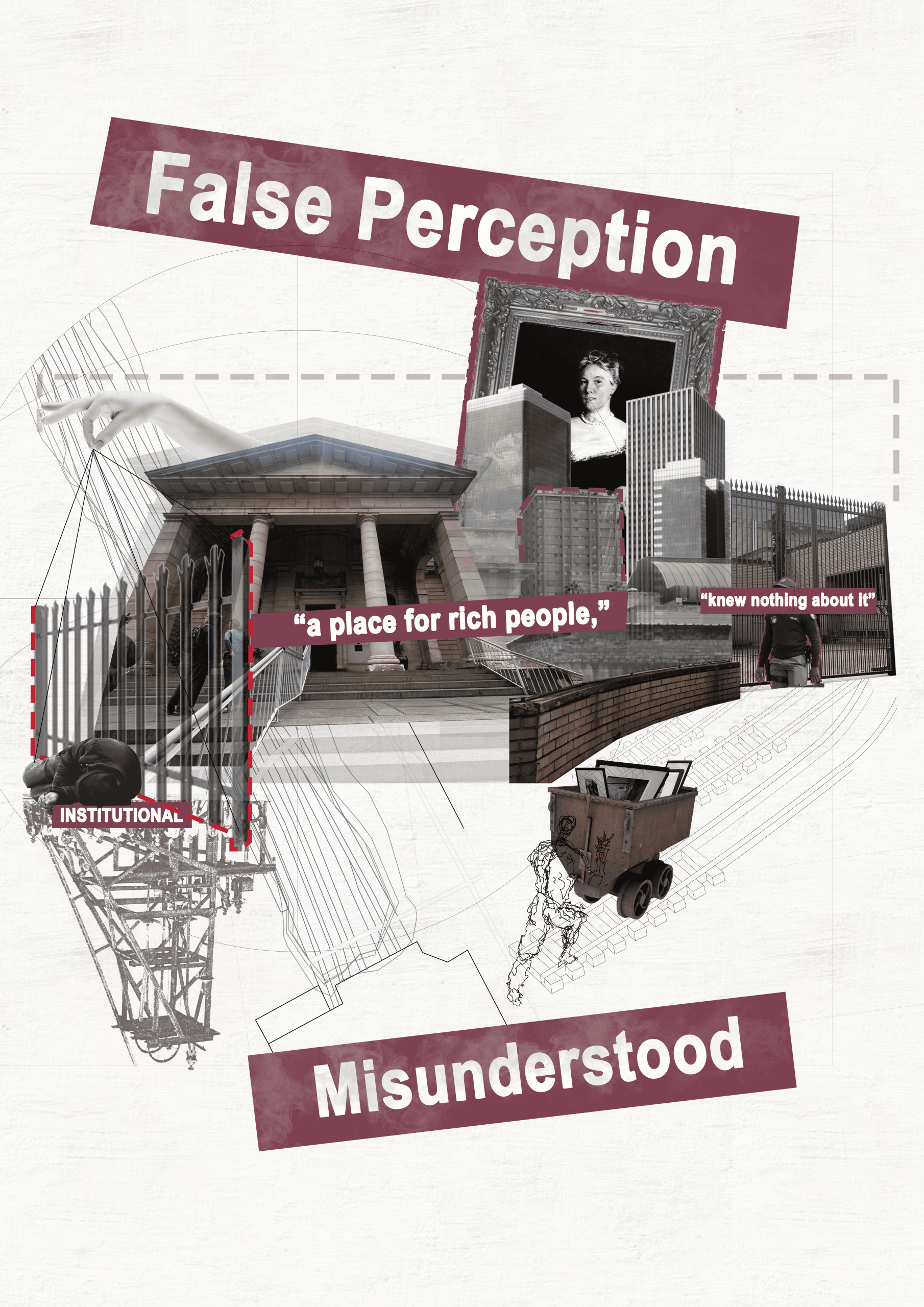
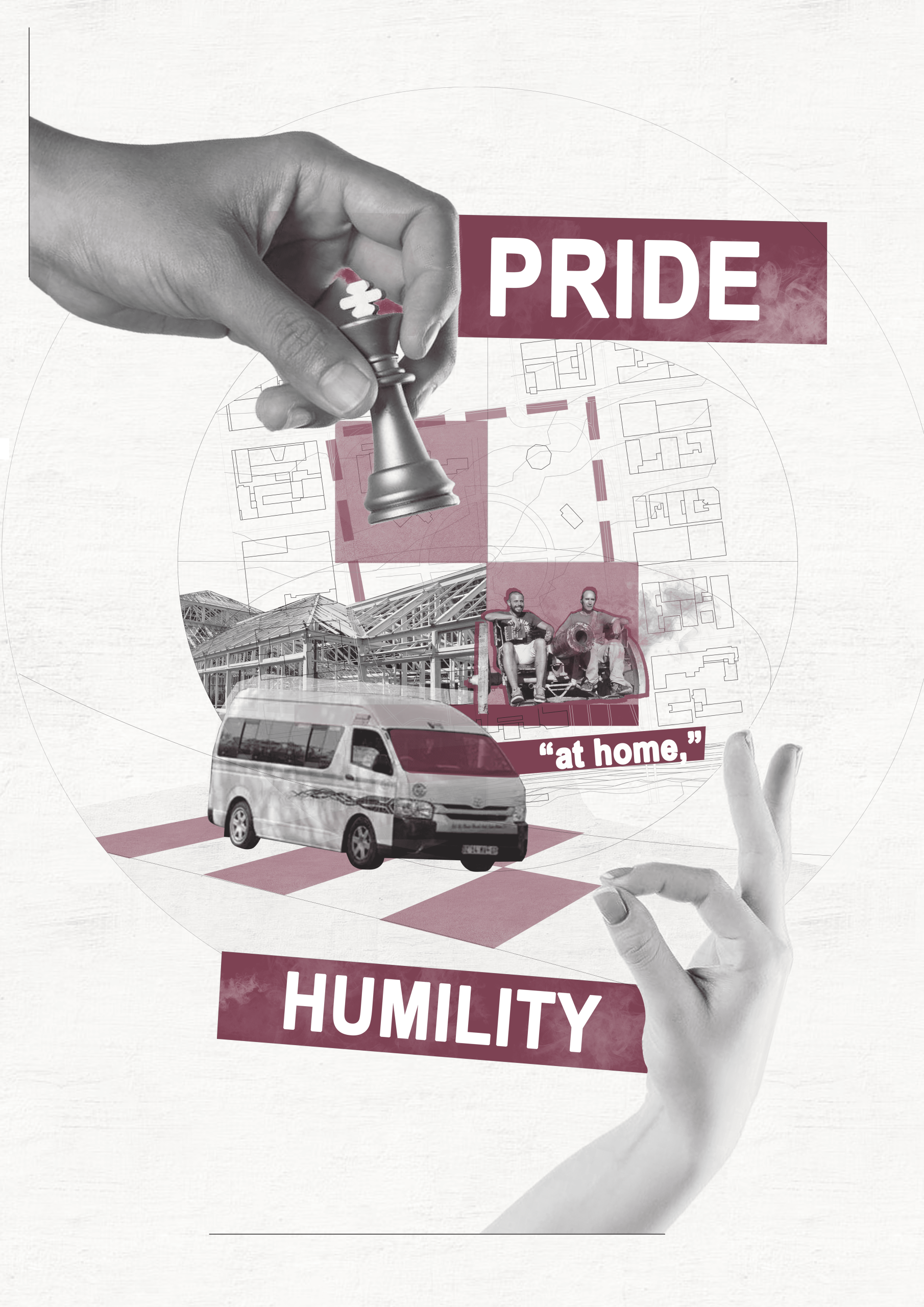
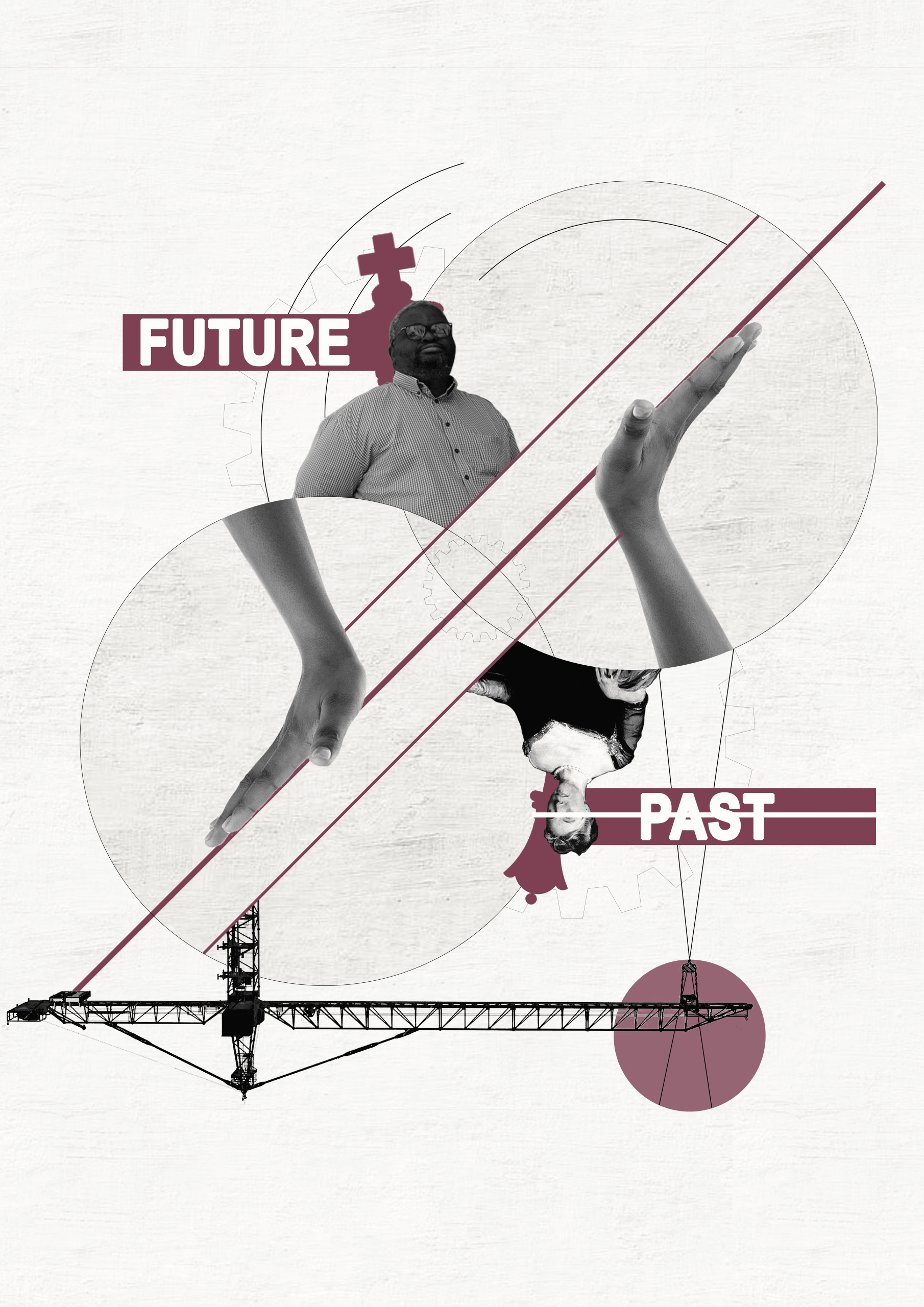
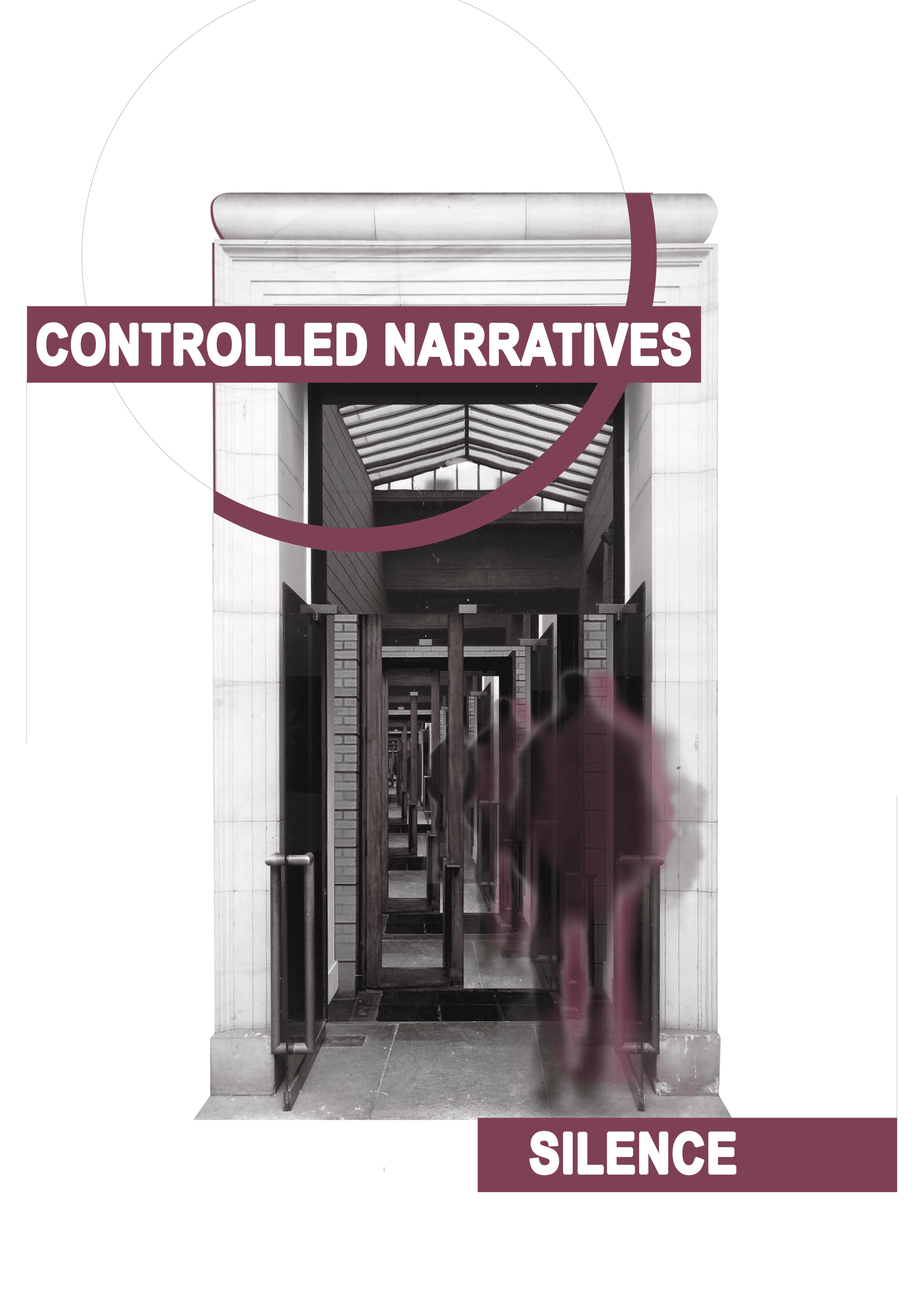
The brief calls for the radical reinvention of the Johannesburg Art Gallery (JAG) and its surrounding urban block, challenging the traditional understanding of what a museum can be within a contemporary African city. Rather than simply restoring the existing building, the project encourages a dialogue between old and new by expanding the museum to accommodate its growing collection while making all 10,000 artworks accessible to the public. It also asks students to rethink heritage, public space, and the relationship between the museum, Joubert Park, and the surrounding urban context. Beyond the architectural intervention, the brief questions the role of the museum as a civic institution. It encourages the integration of education, community engagement, public gathering. and cultural preservation while reconnecting the site to the wider
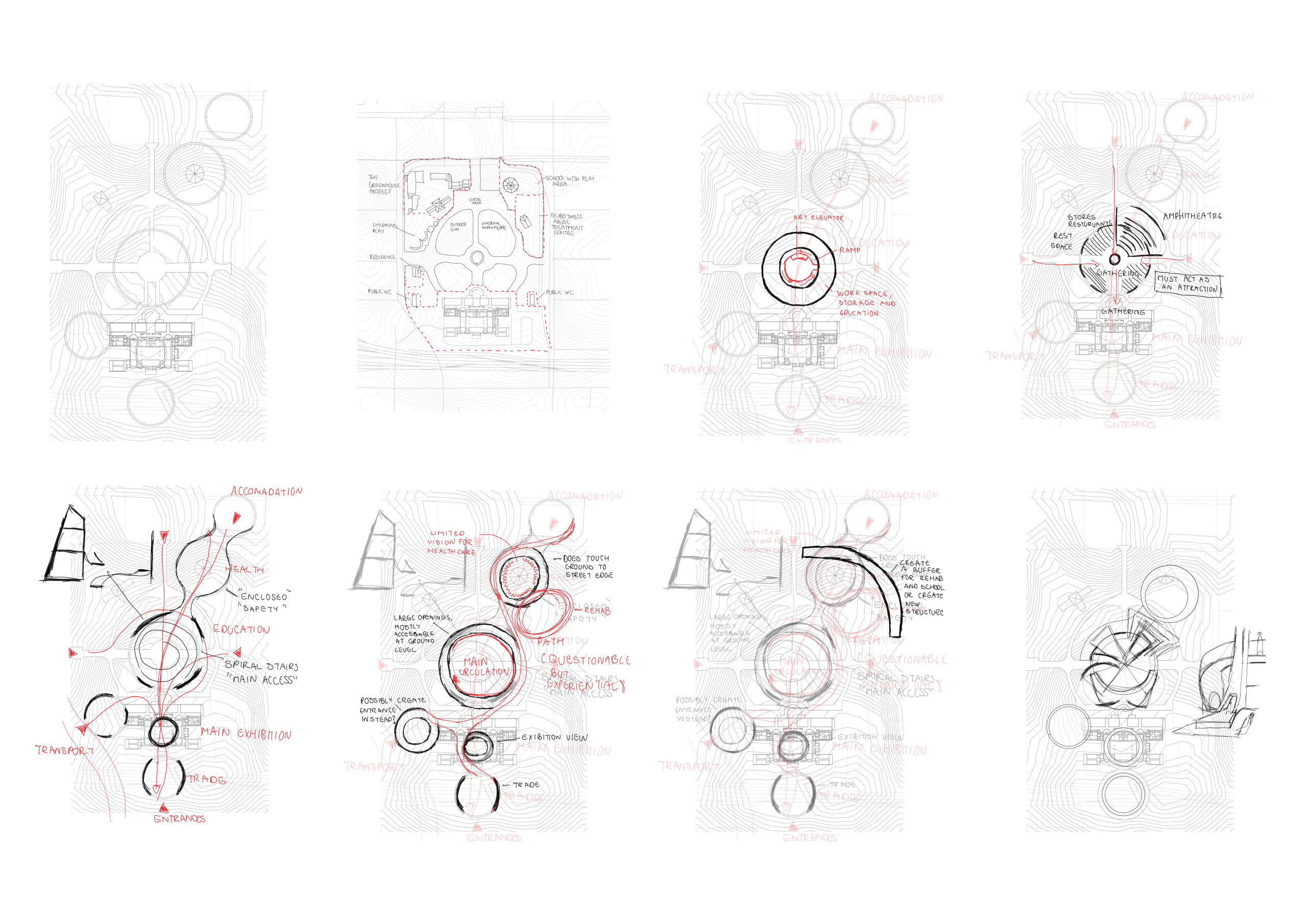
Design Process
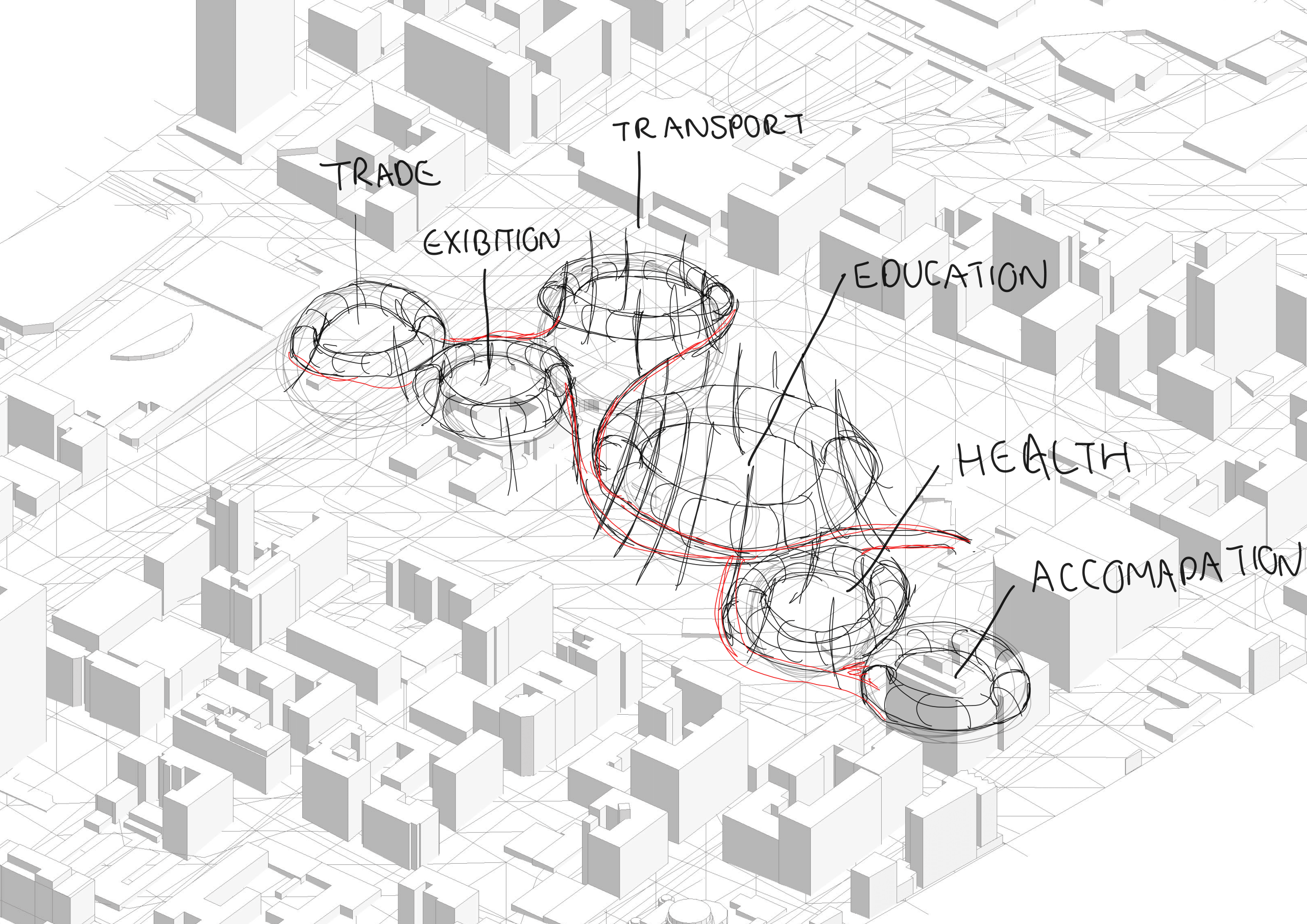
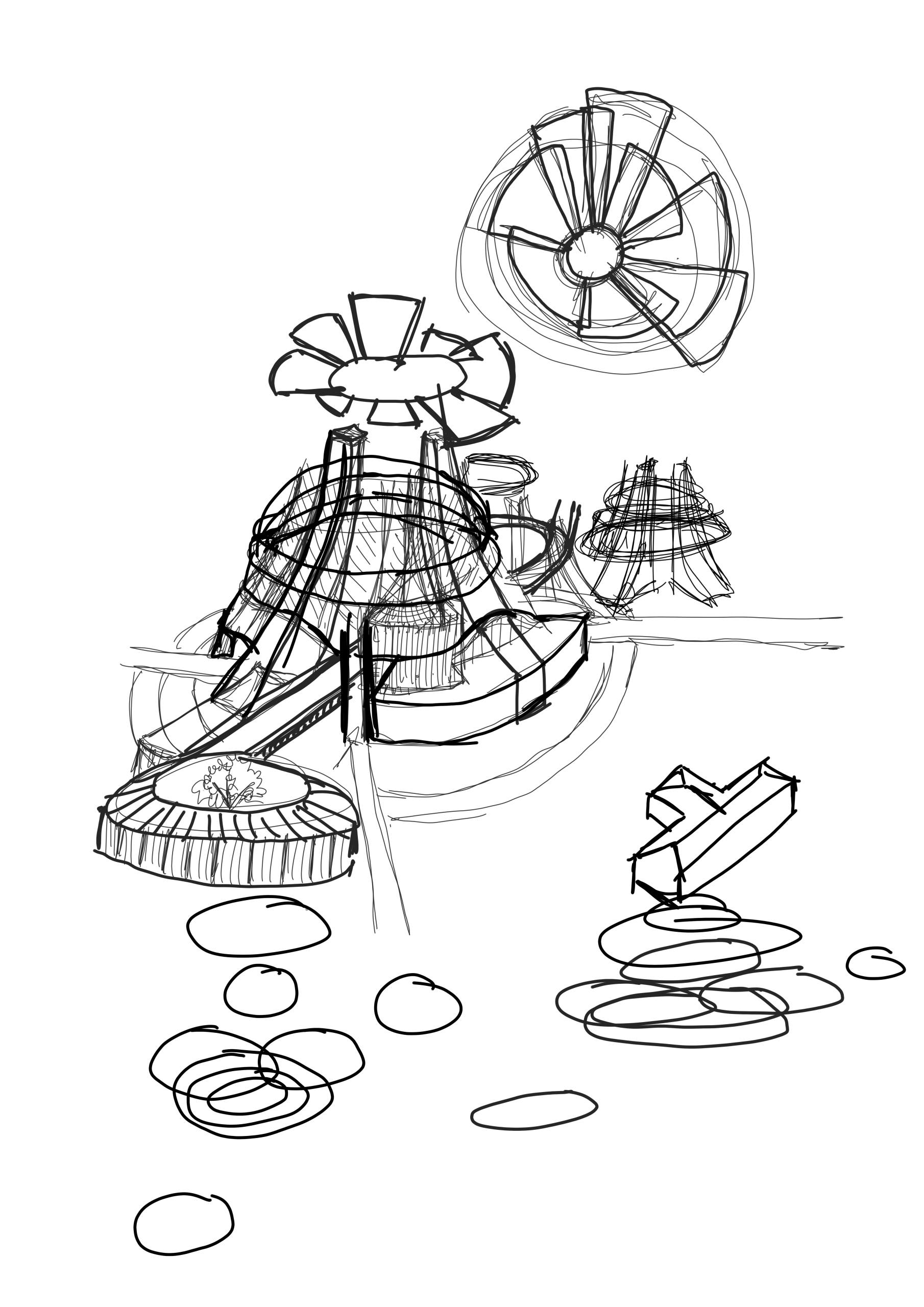
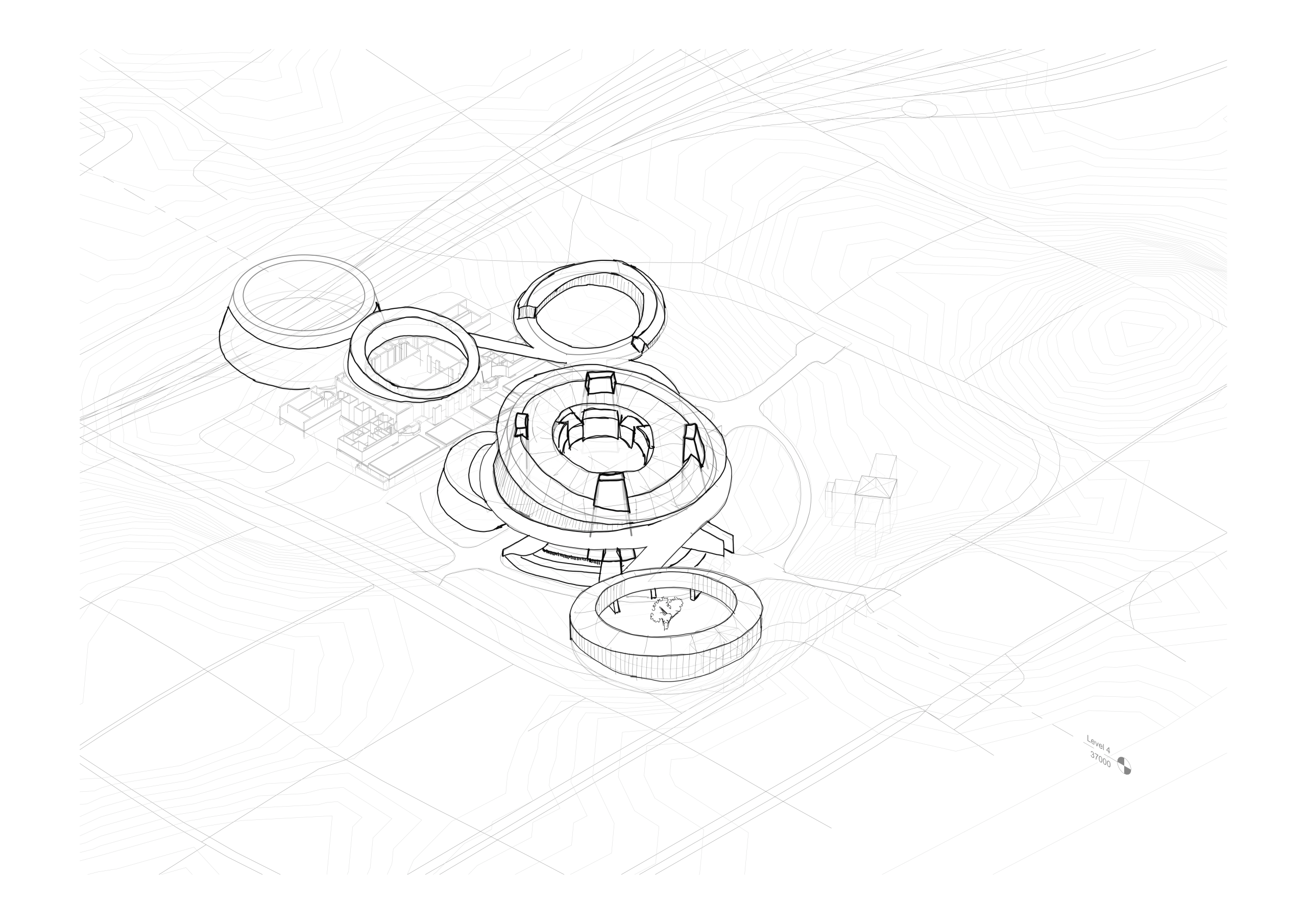
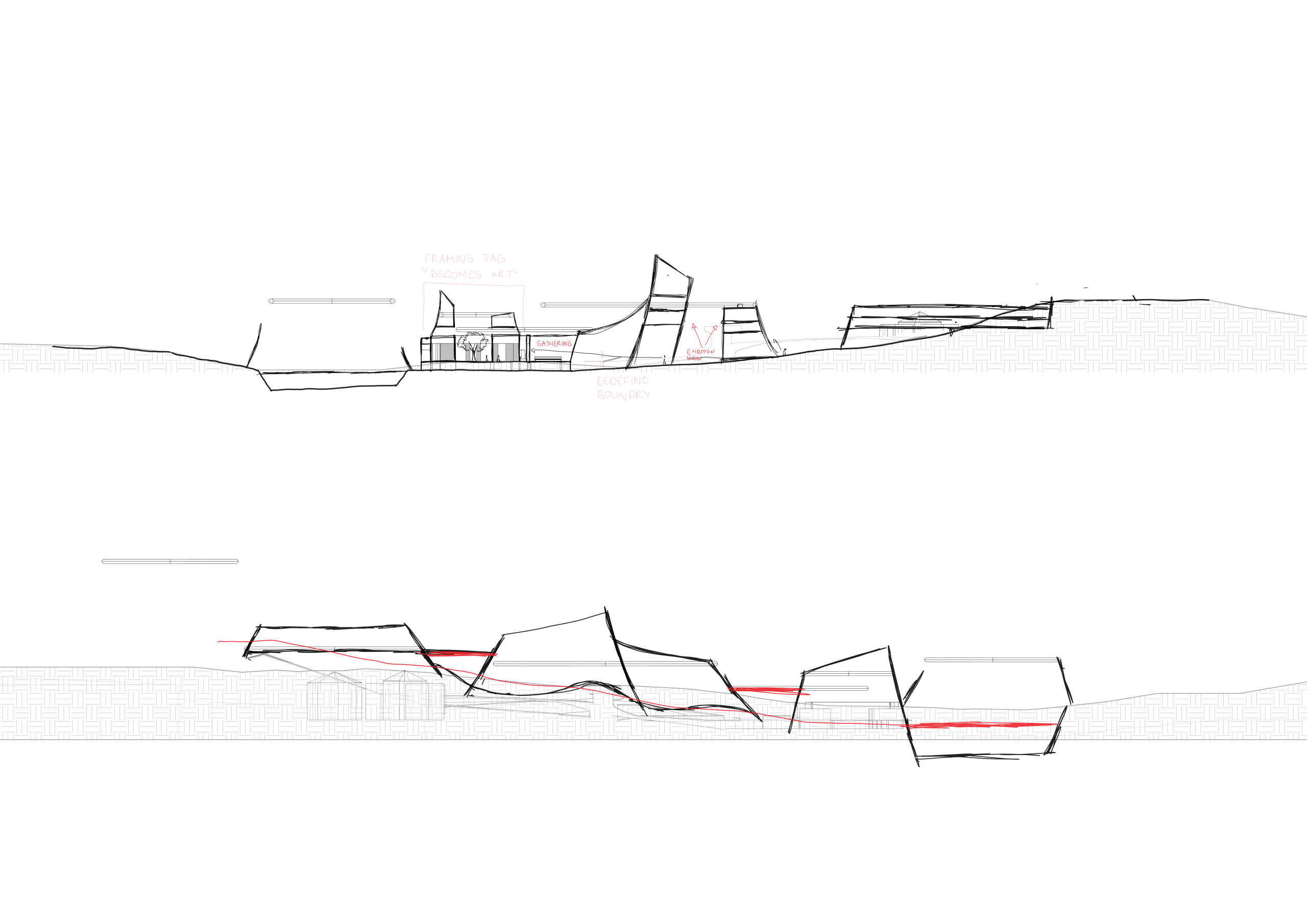
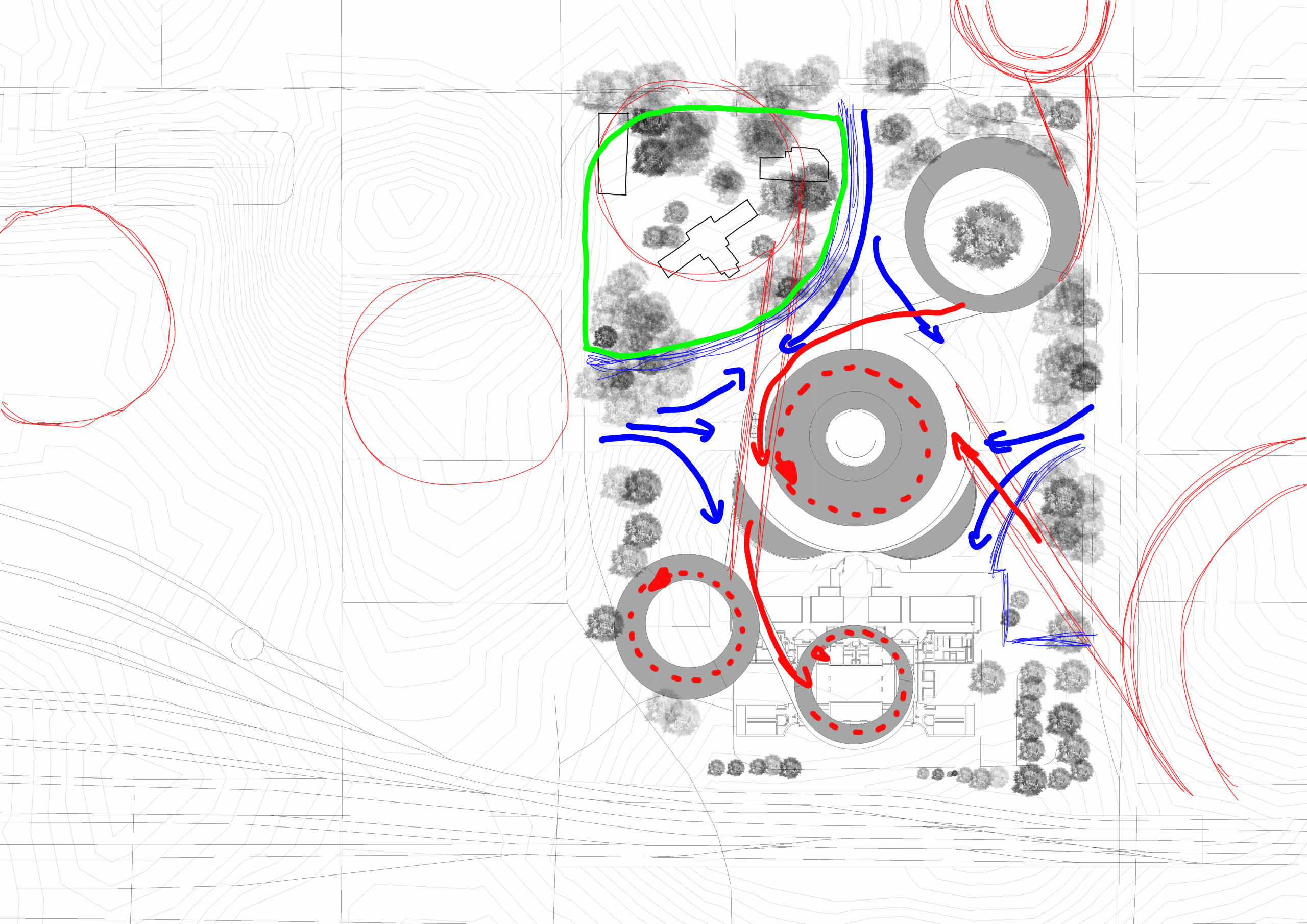
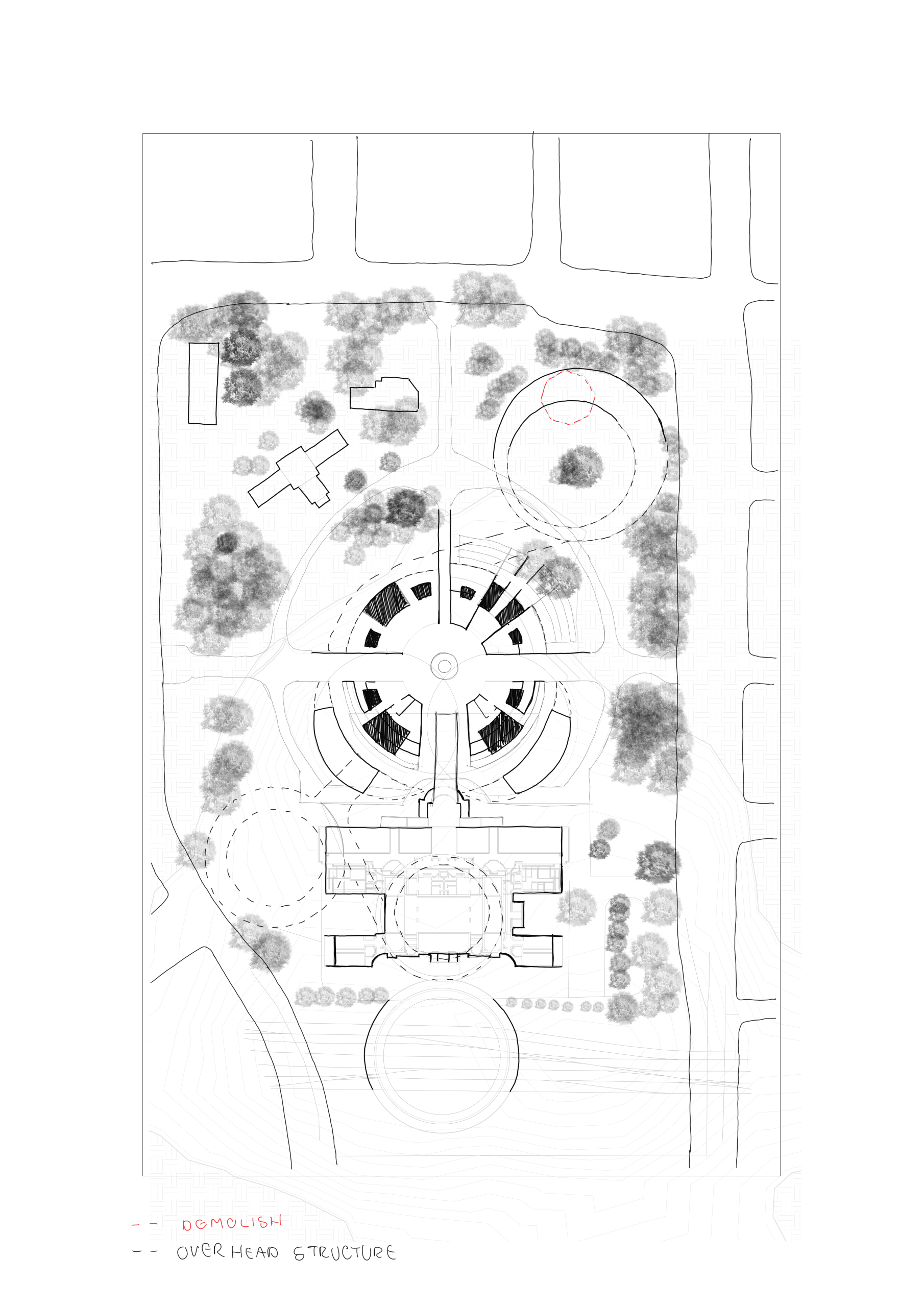
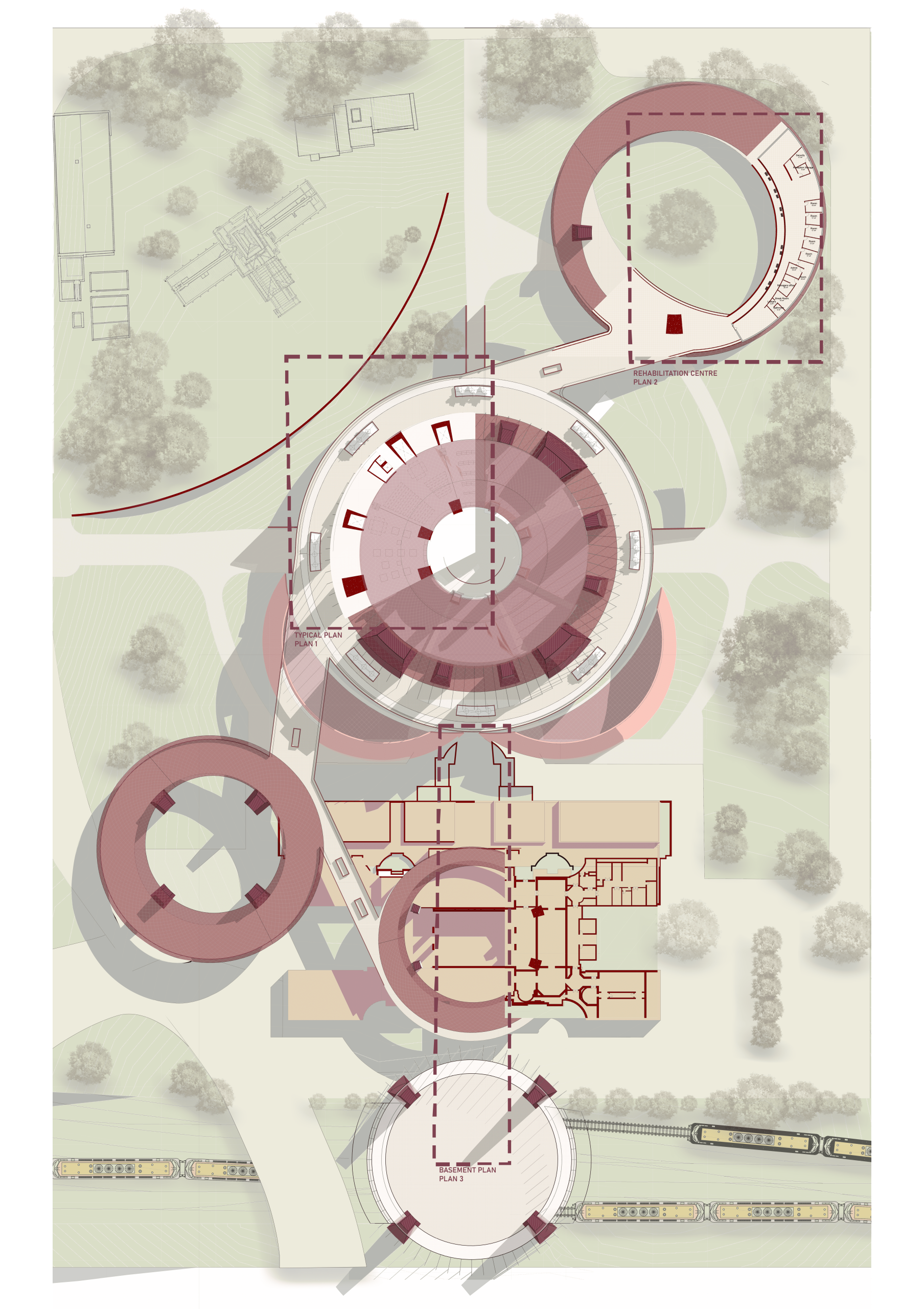
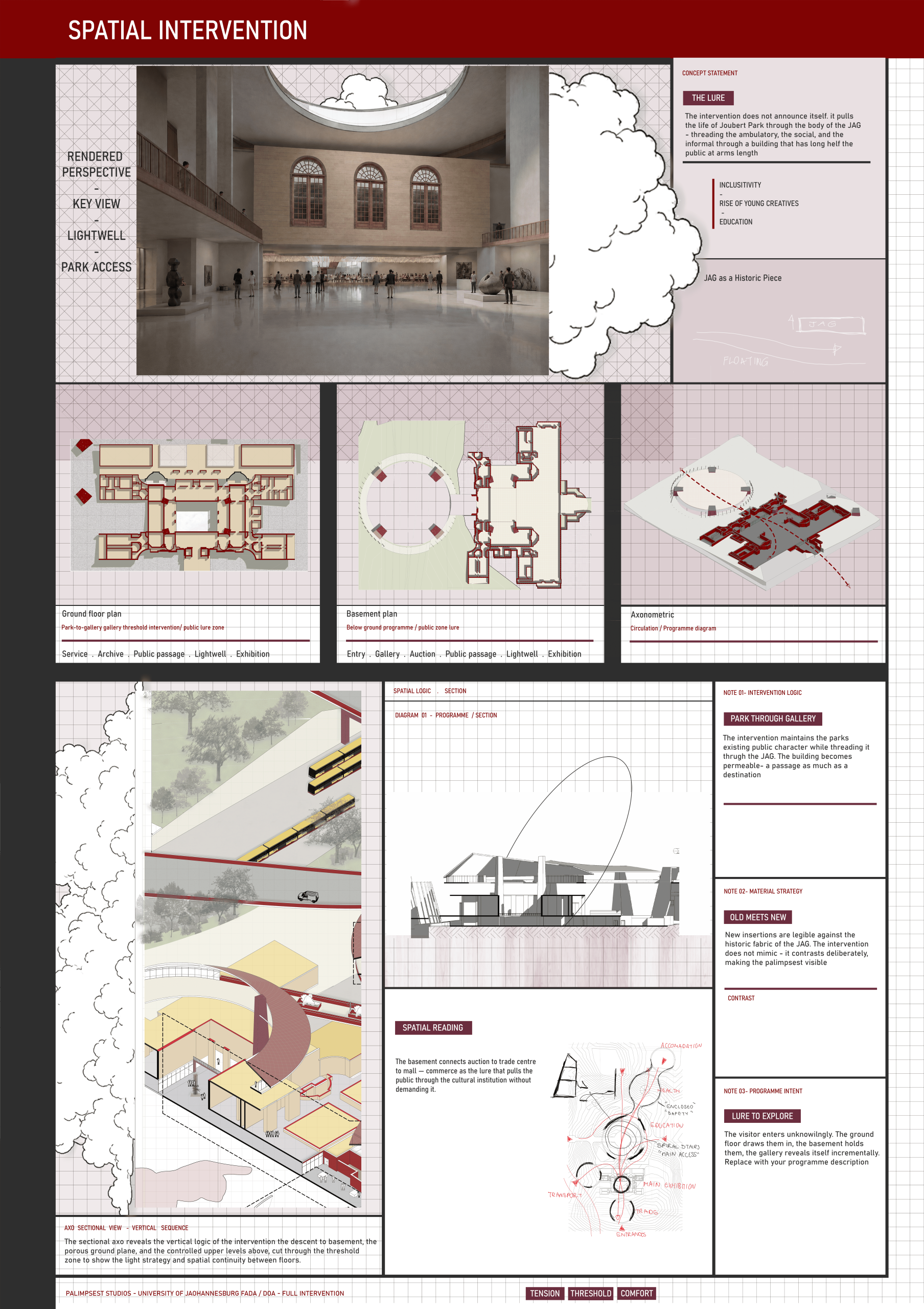
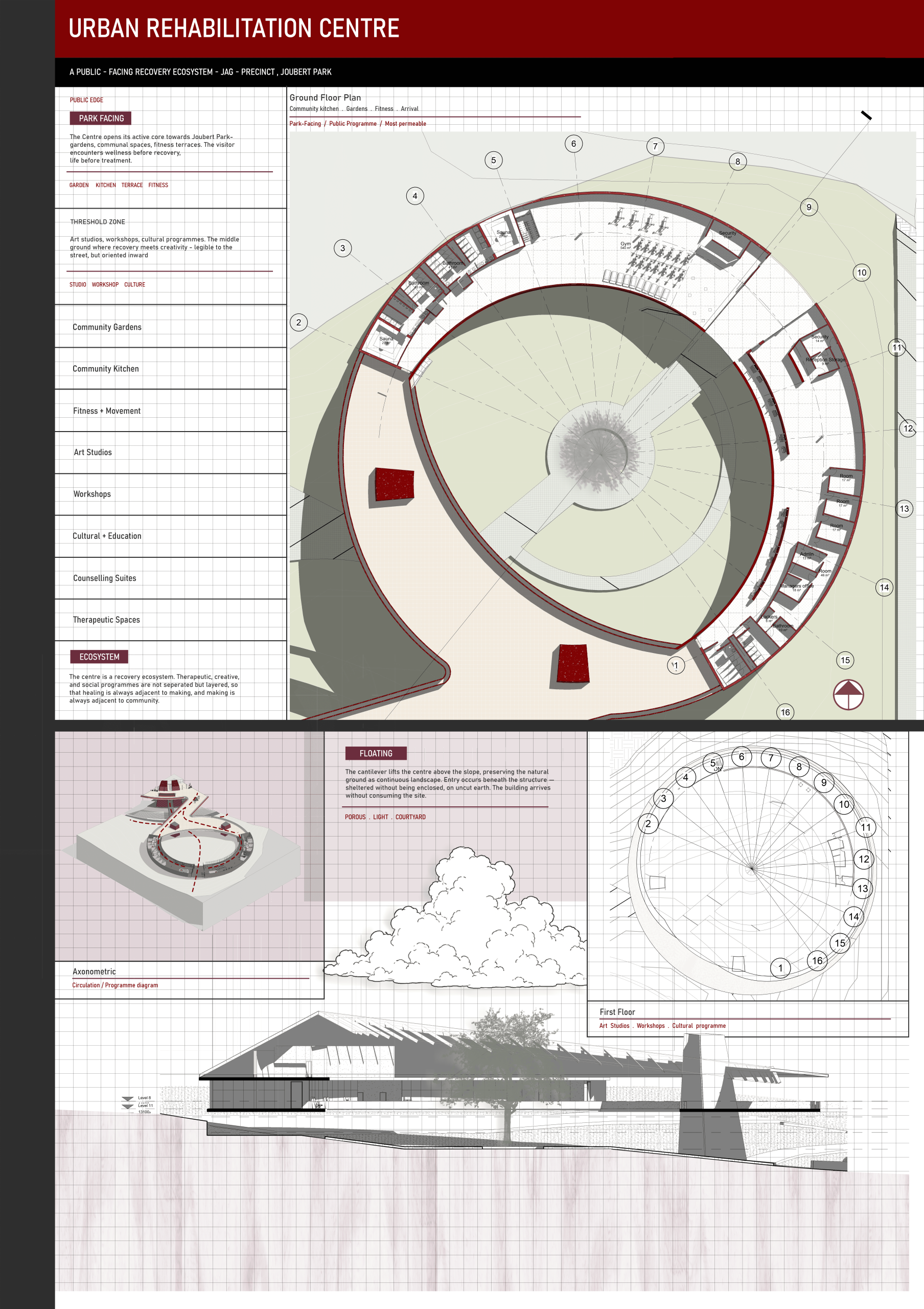
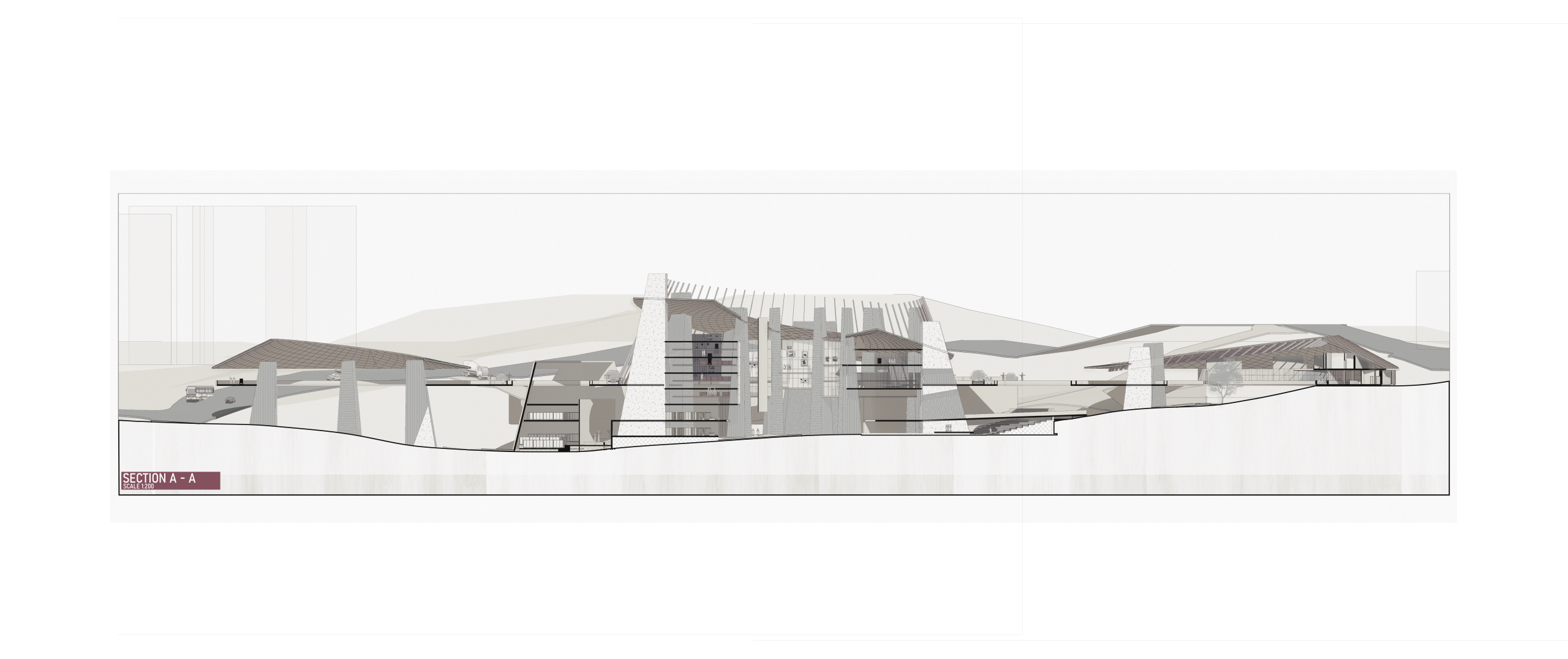
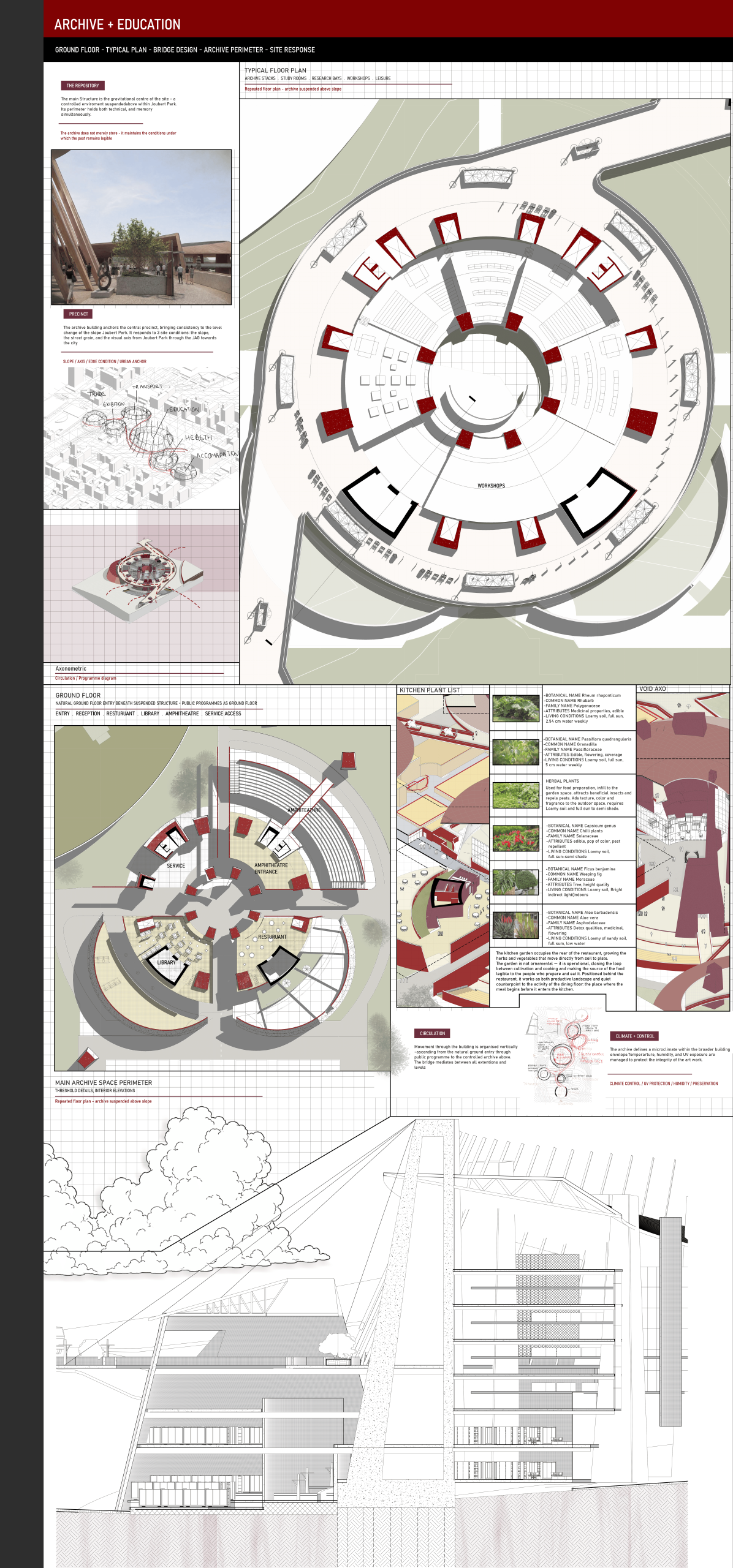
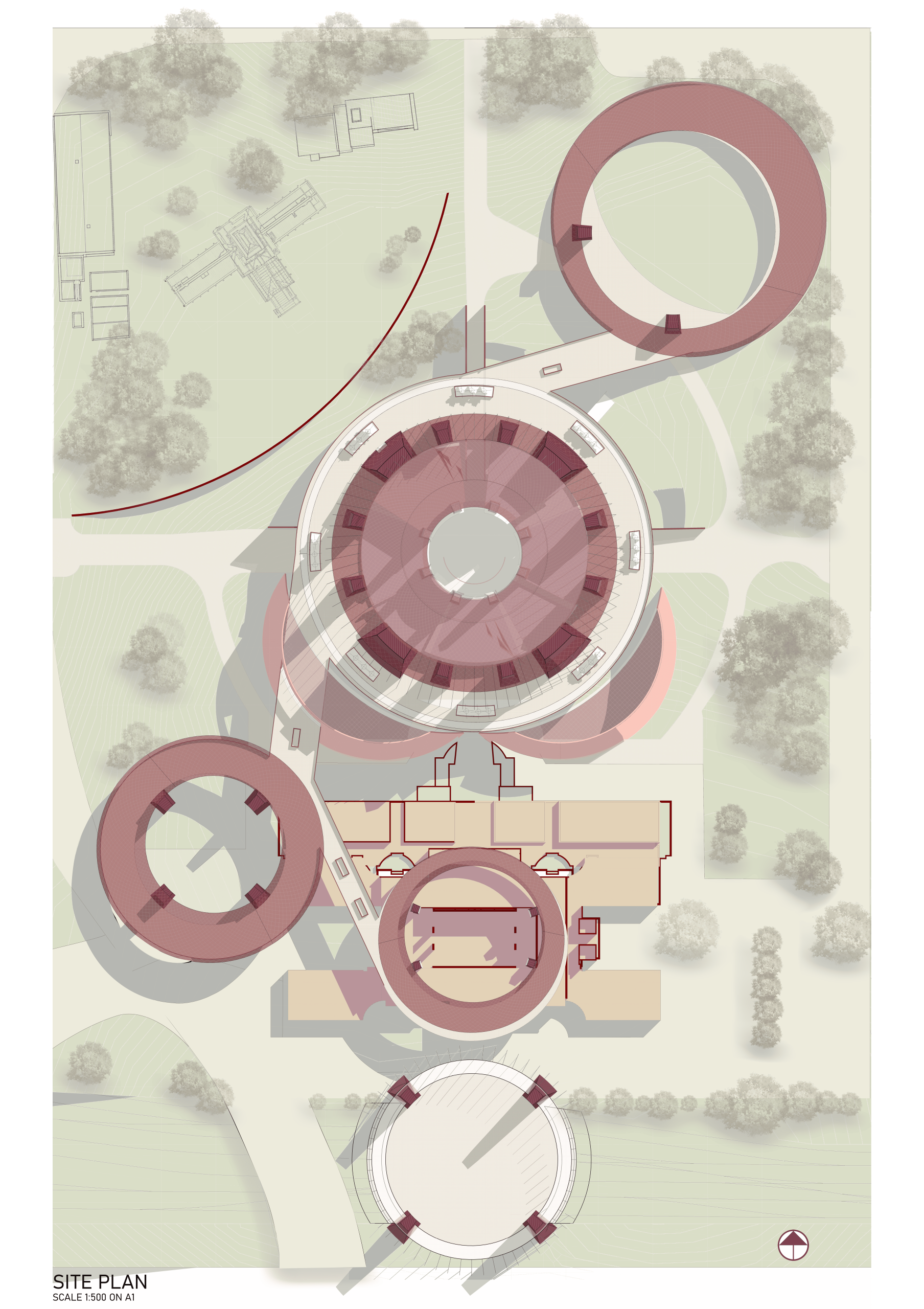
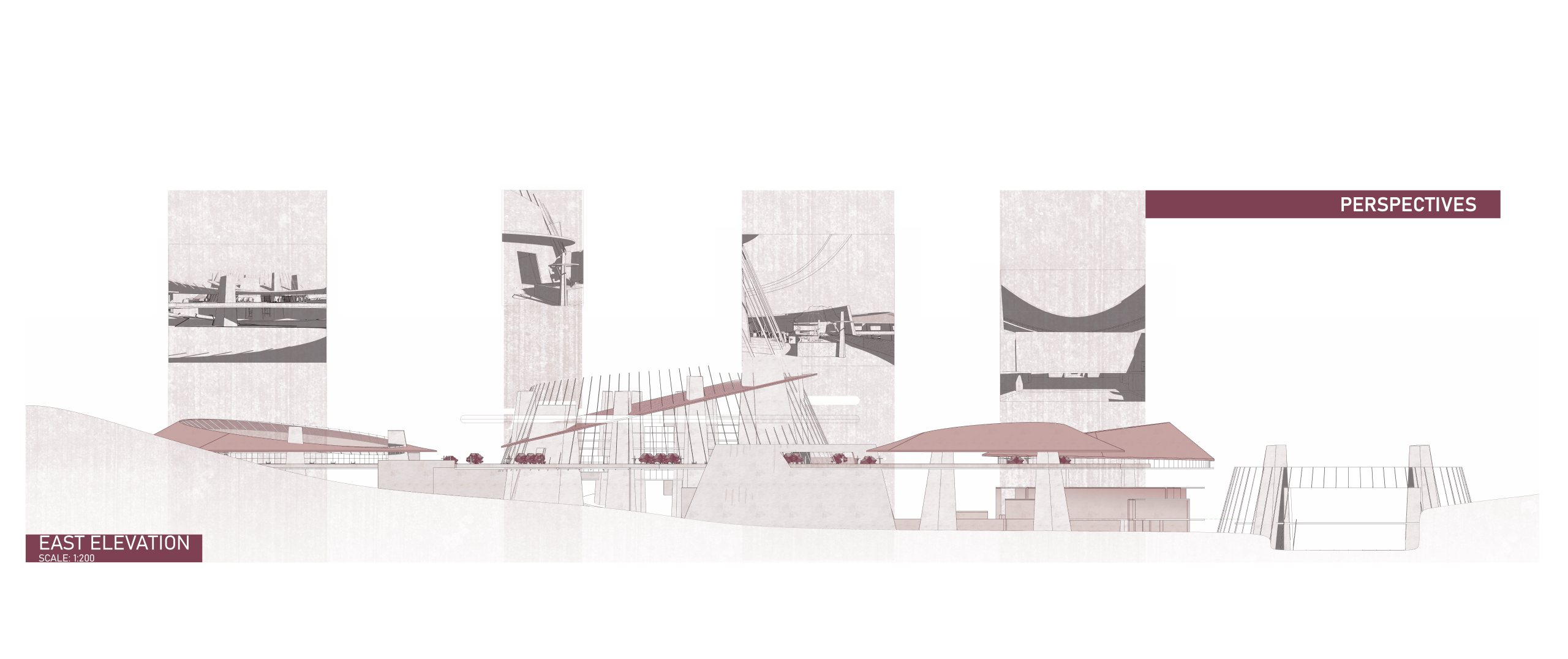
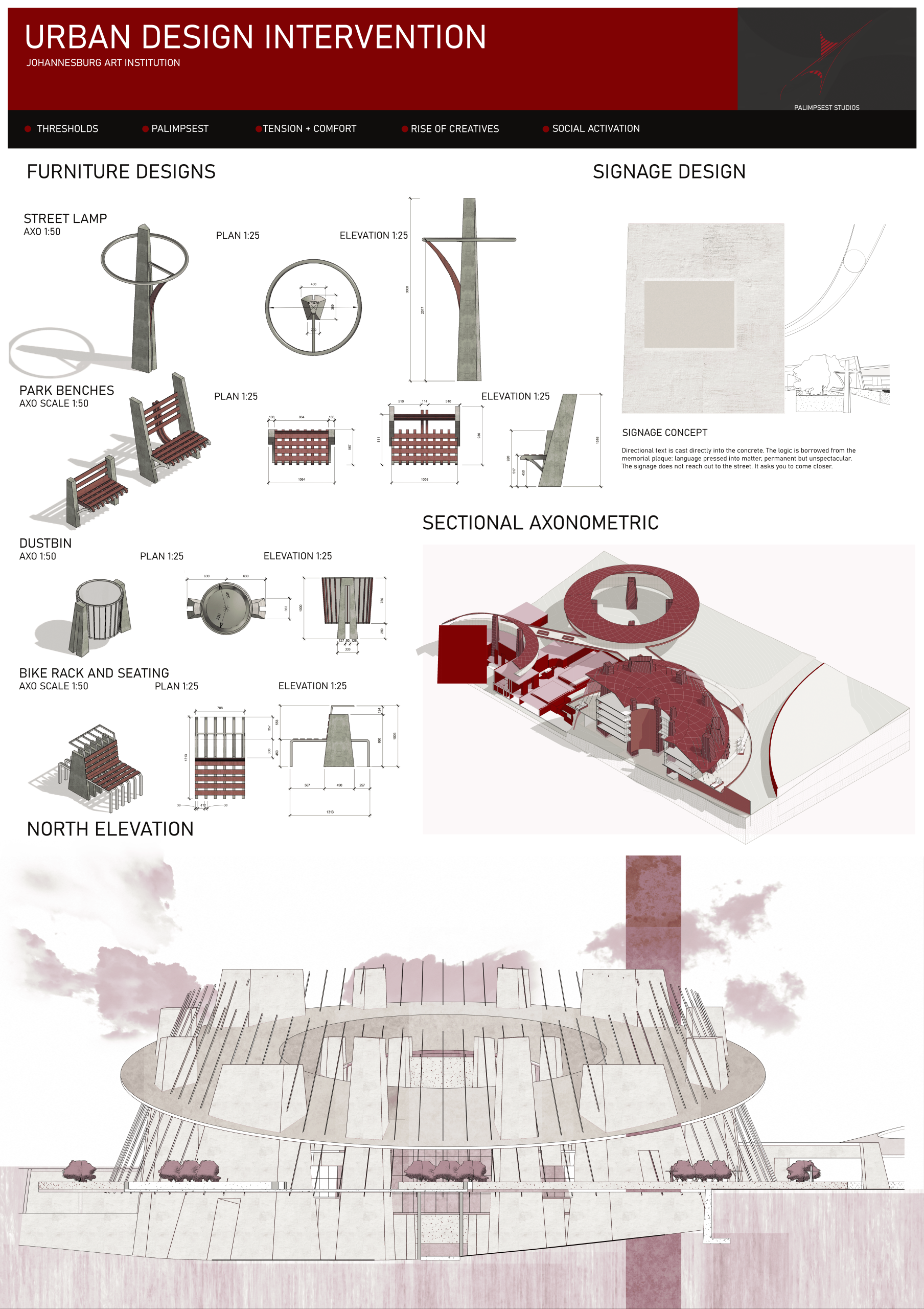
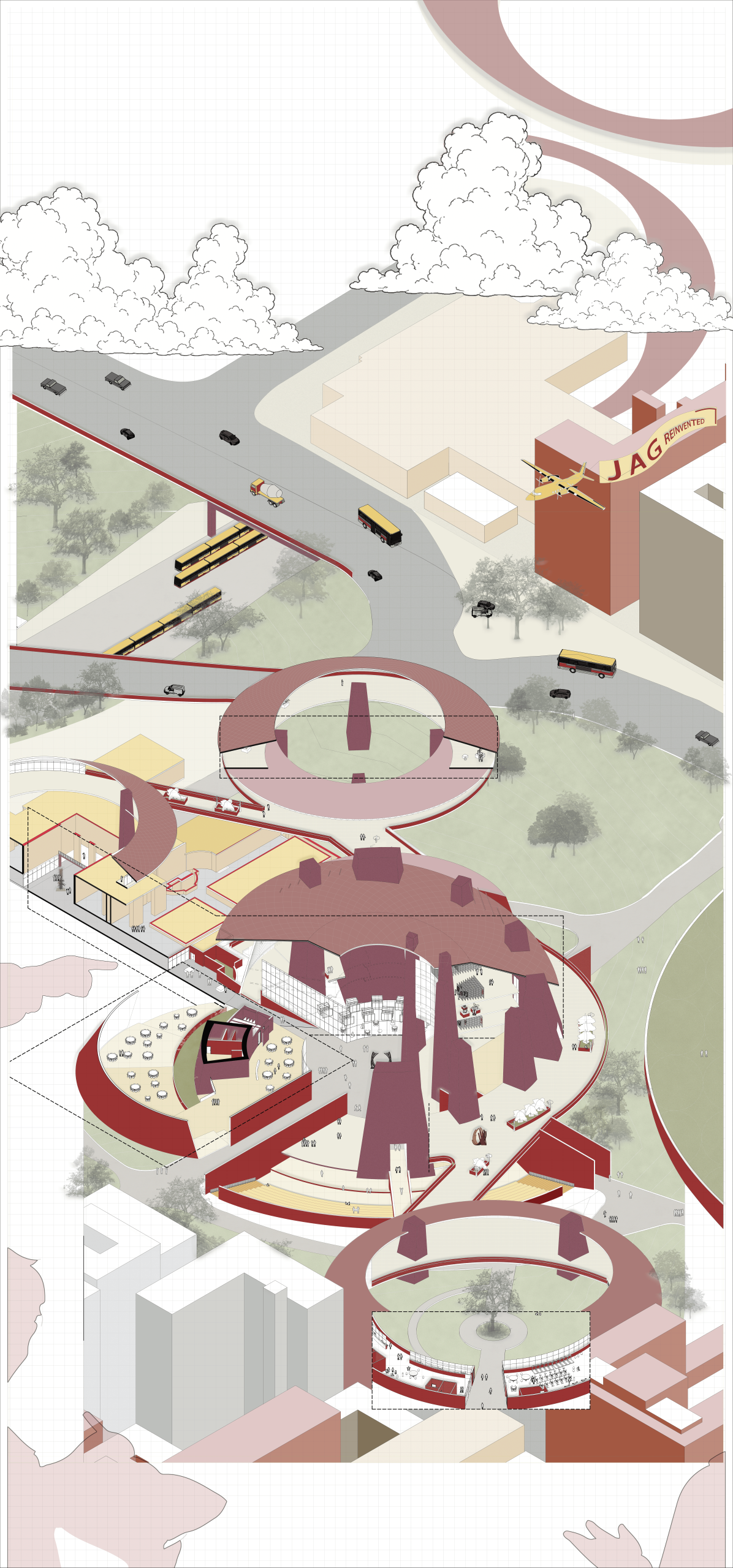
The proposed intervention begins to function as a set of flexible, interconnected elements that emanate from the JAG into the city. Each program responds to a particular social or spatial need, and in aggregate they form a larger educational and cultural system. The JAG becomes the link between these parts, allowing knowledge, people and creative activities to flow between the institution and its surroundings. Instead of being a single isolated object, the intervention operates as a puzzle of complementary programs that are able to integrate into the existing urban fabric while maintaining a relation with the original gallery.
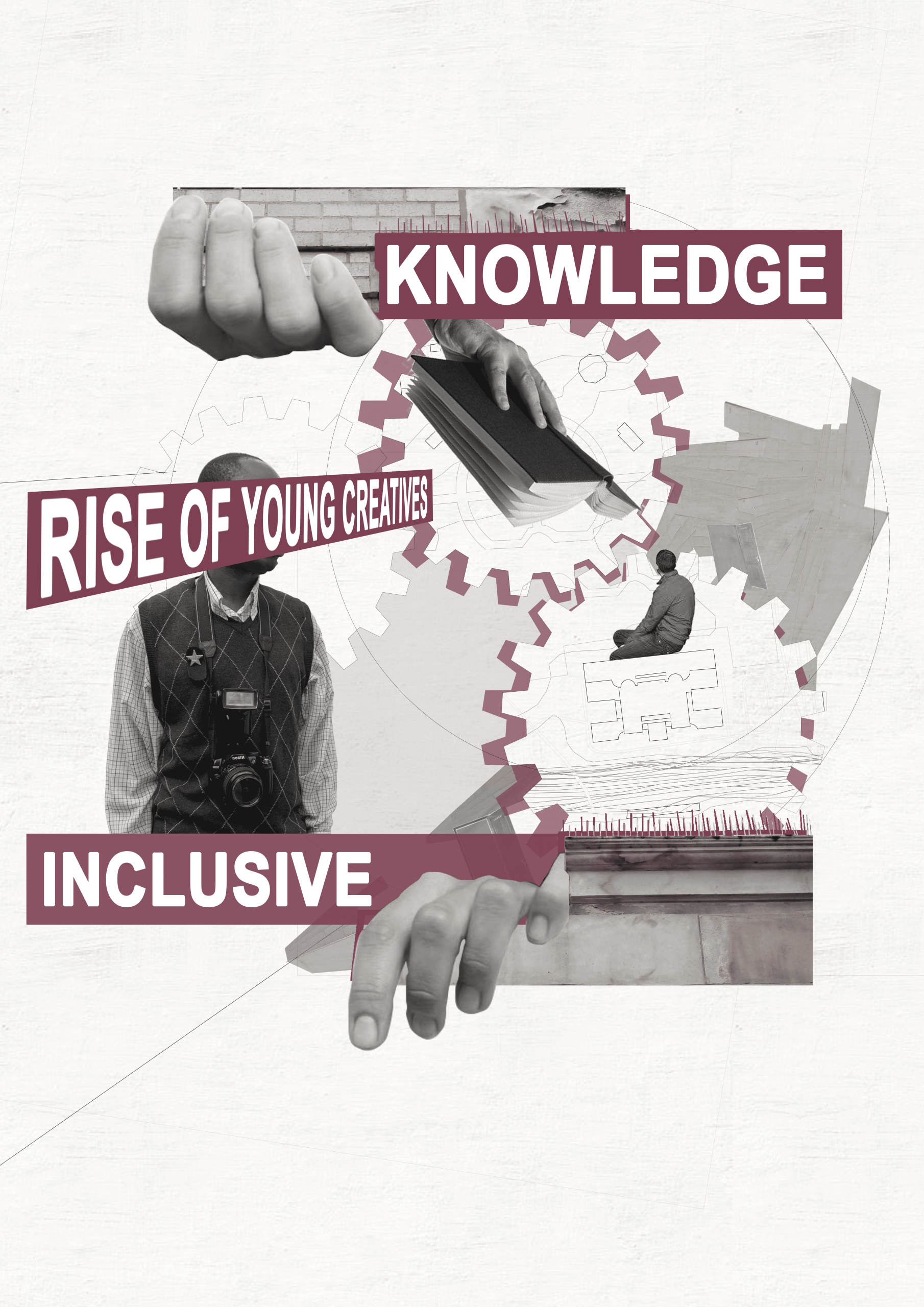
This approach responds directly to the three priorities set by the current director, knowledge production, the development of young creatives and inclusivity. Areas for learning, rehabilitation, skills development and community exchange take education and knowledge production beyond the traditional exhibition space. Creative production gives young artists and makers the opportunity to participate in the cultural life of the institution, rather than just viewing finished works in the galleries. The JAG is inclusive by virtue of inviting a wider audience into the JAG, but also by offering multiple points of entry into its cultural network. The project poses the question of how the JAG can become an educational institution that actively reaches into the city, creating along the way opportunities for learning, making, gathering and engagement.
Reflection
The Johannesburg Art Gallery (JAG) elective presented an interesting challenge through its relationship between existing intuition and complex urban contexts that have real consequences due to architectural decisions. Situated in Joubert Park, JAG vitally required a response that was radical enough to address the existing disconnection from the community, yet needed to respect its history, stakeholders and existing aspirations. Guided by the current directors’ vision: Knowledge production, rise of young creatives and inclusivity, my project explored JAG as the mediator to connect back to the surrounding urban life. Rather than imposing an isolated intervention, the project aimed to follow the existing activity to gradually lure in the community’s engagement. Under the guidance of Alex Opper, the elective explored the possibilities architecture can propose in engaging memory and urban repair.