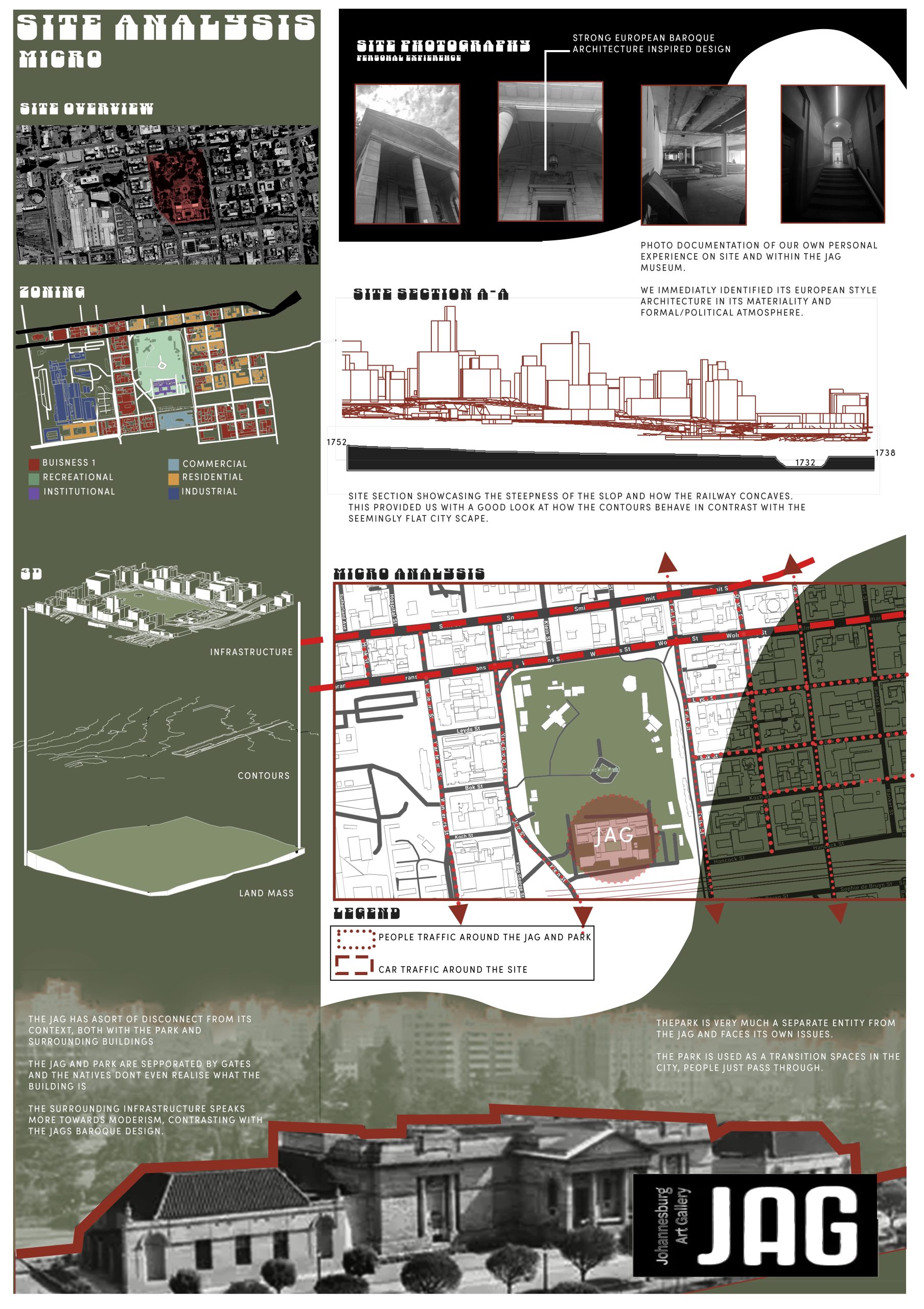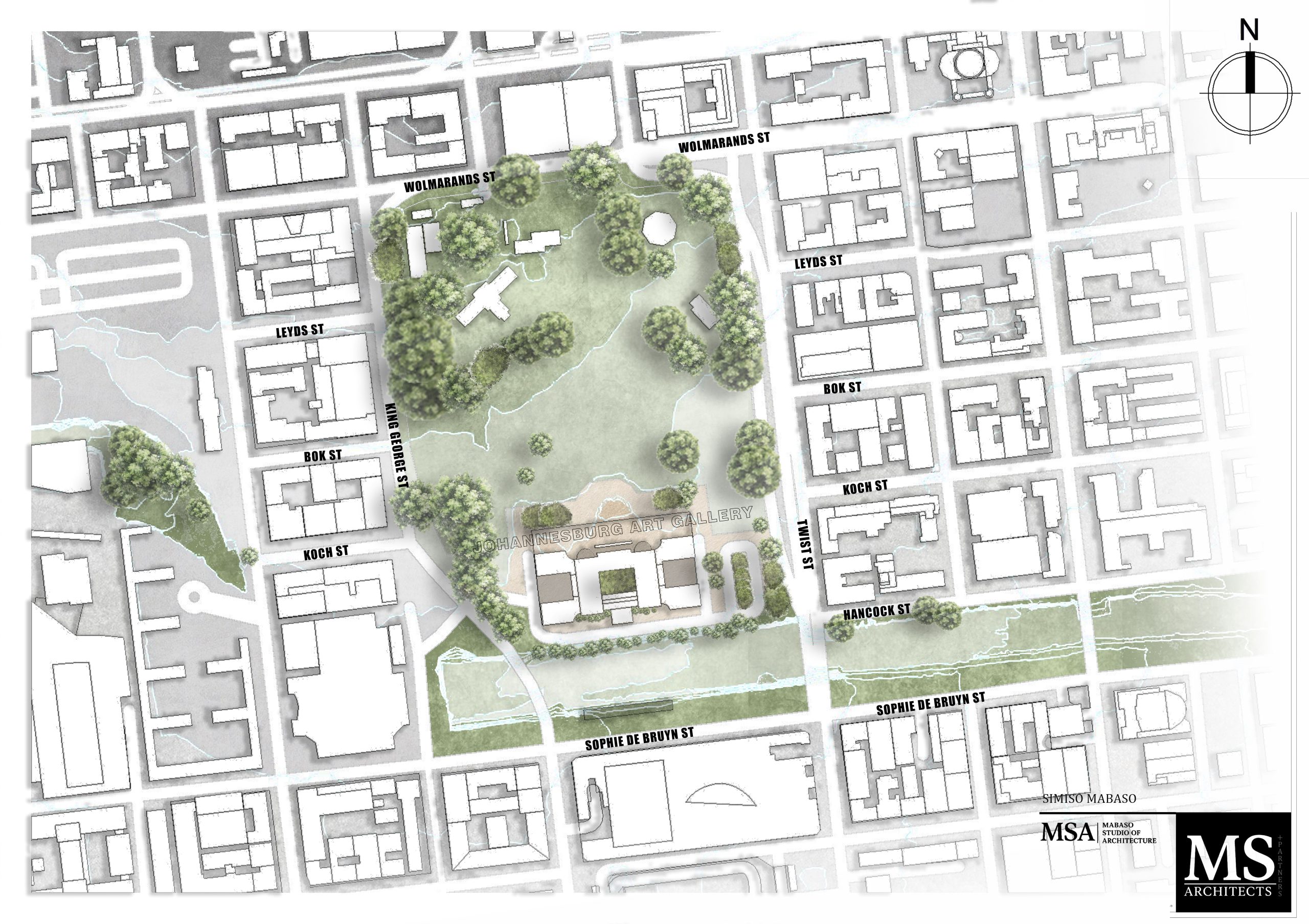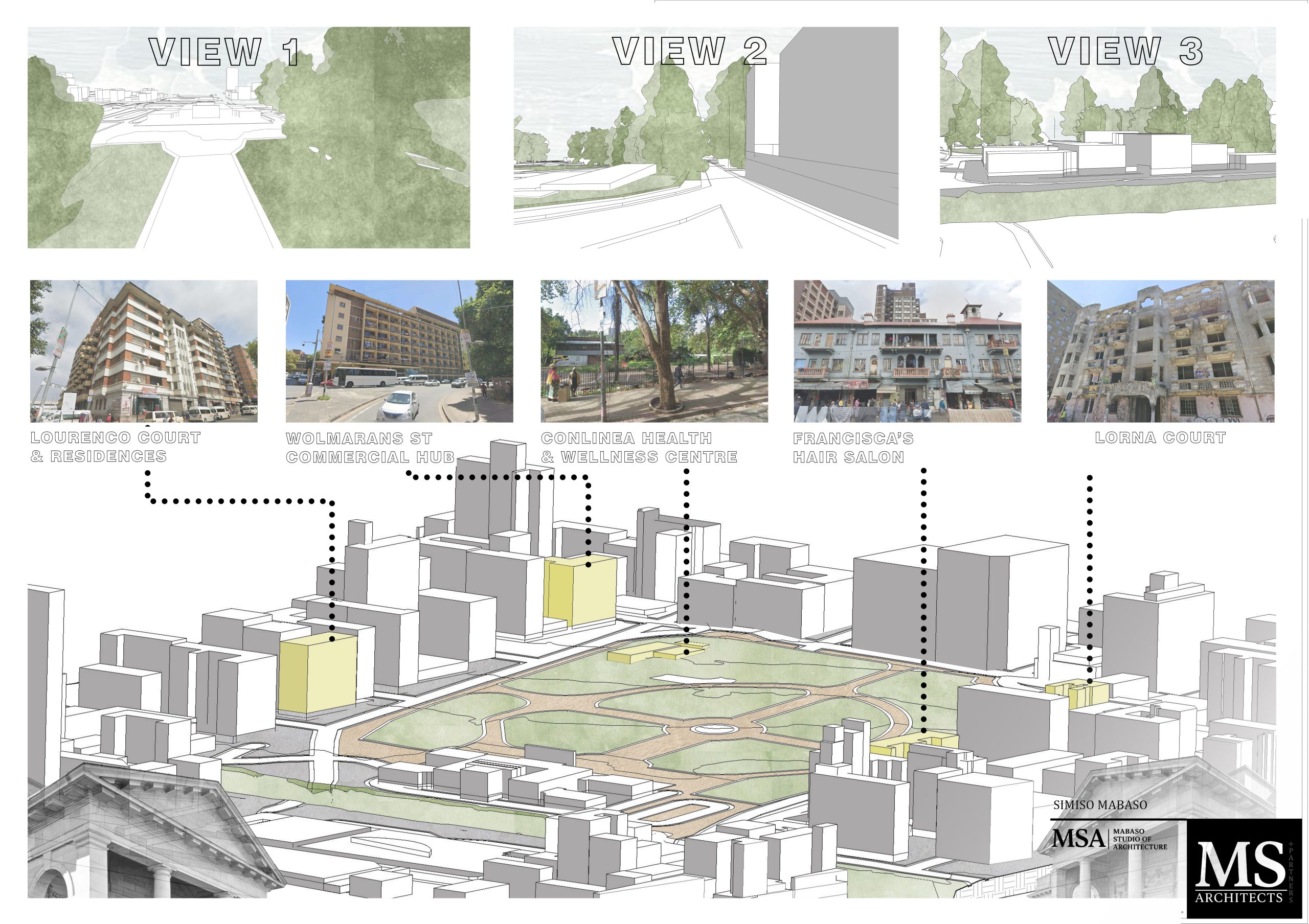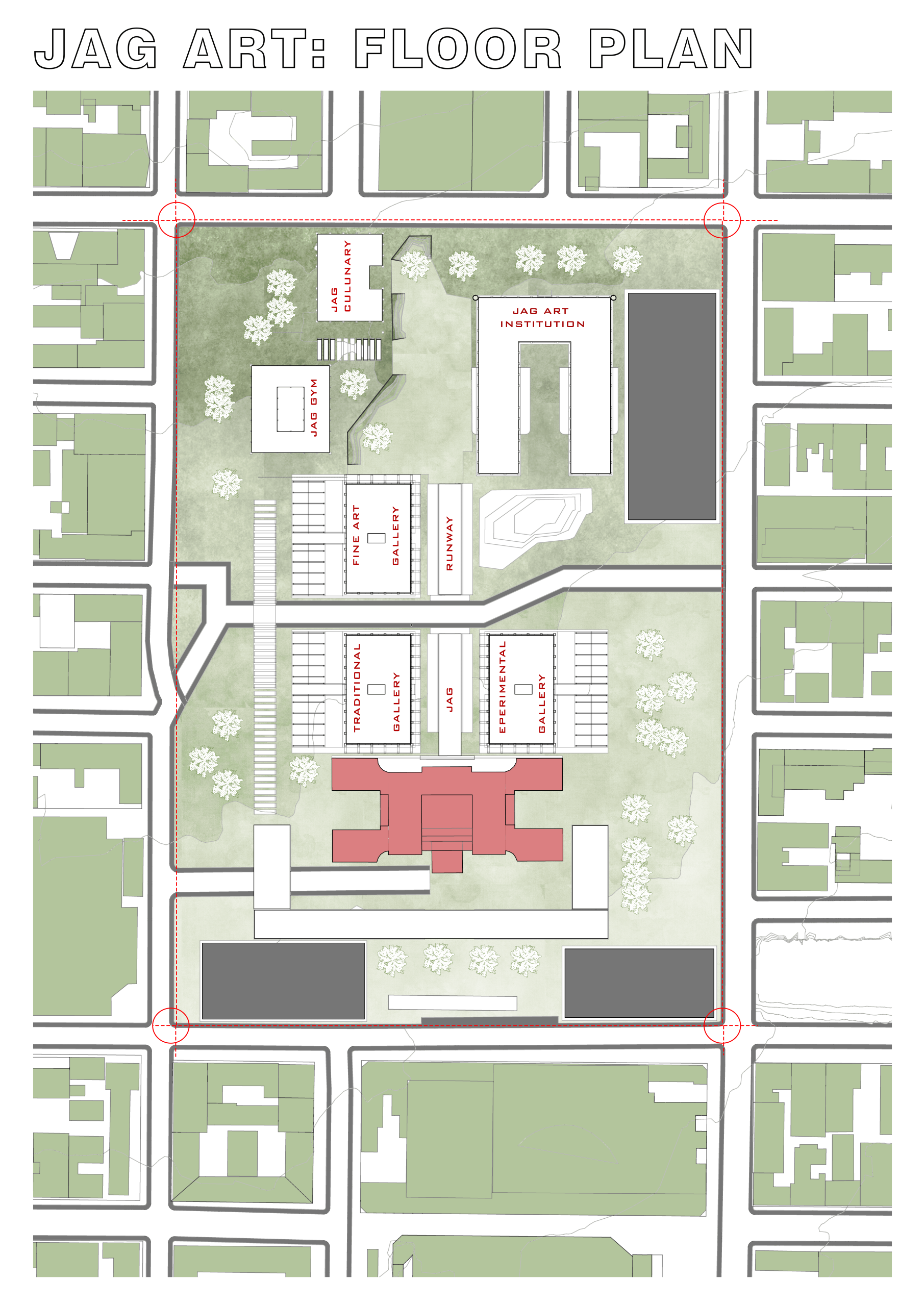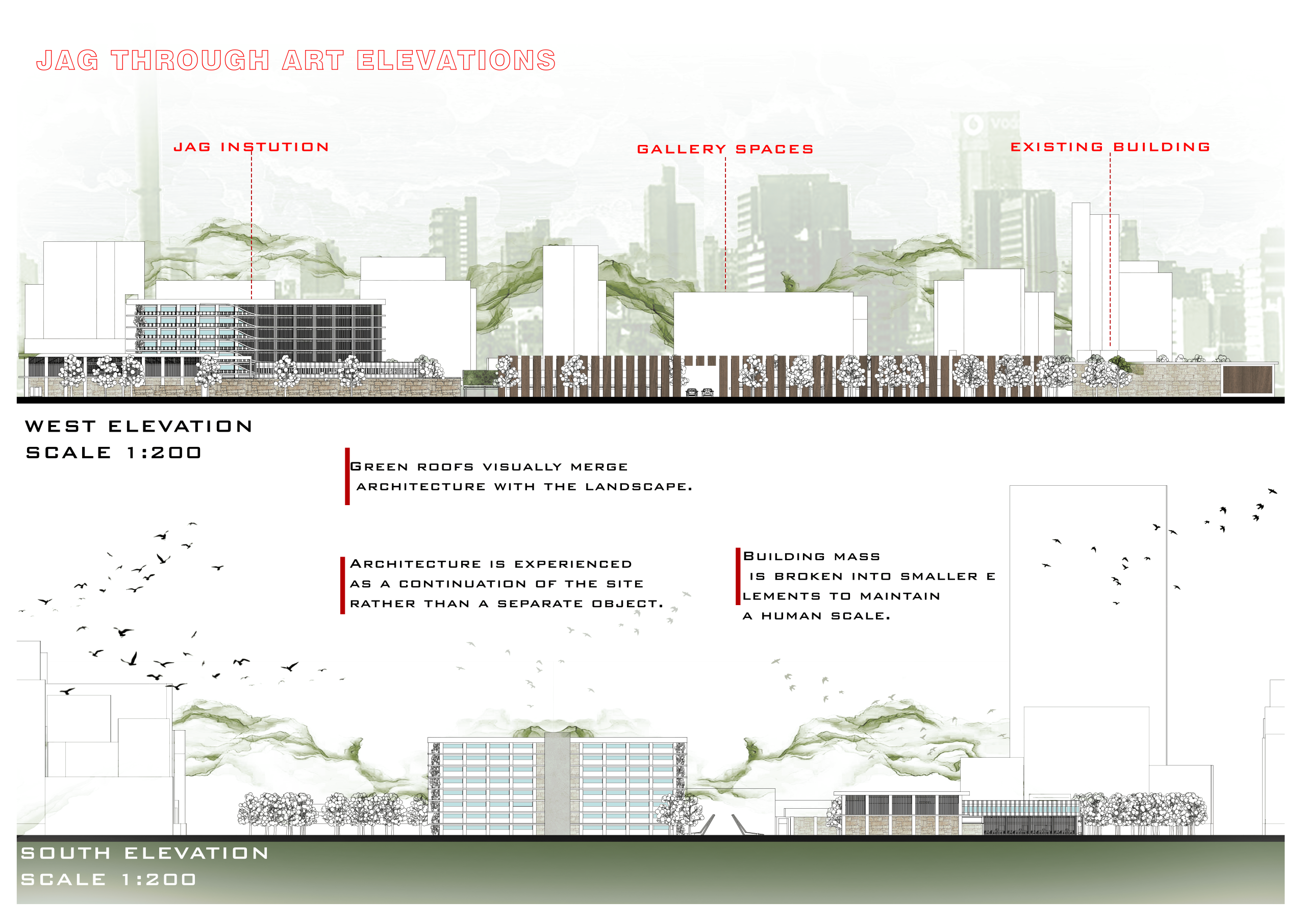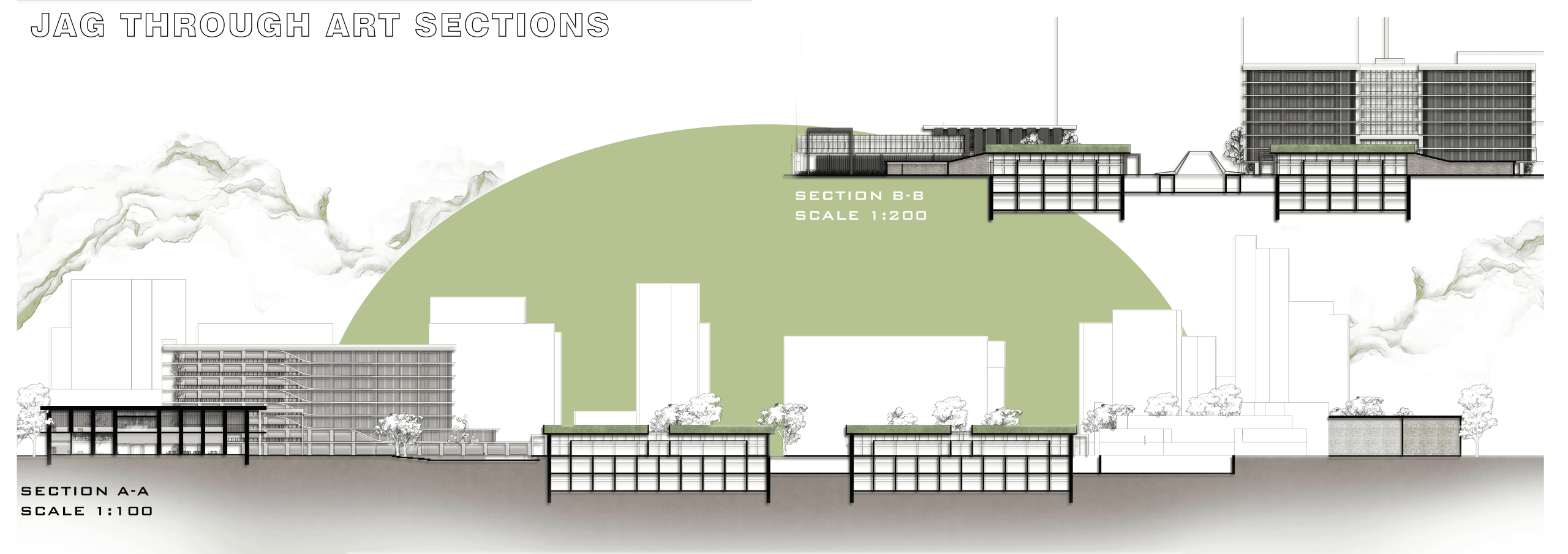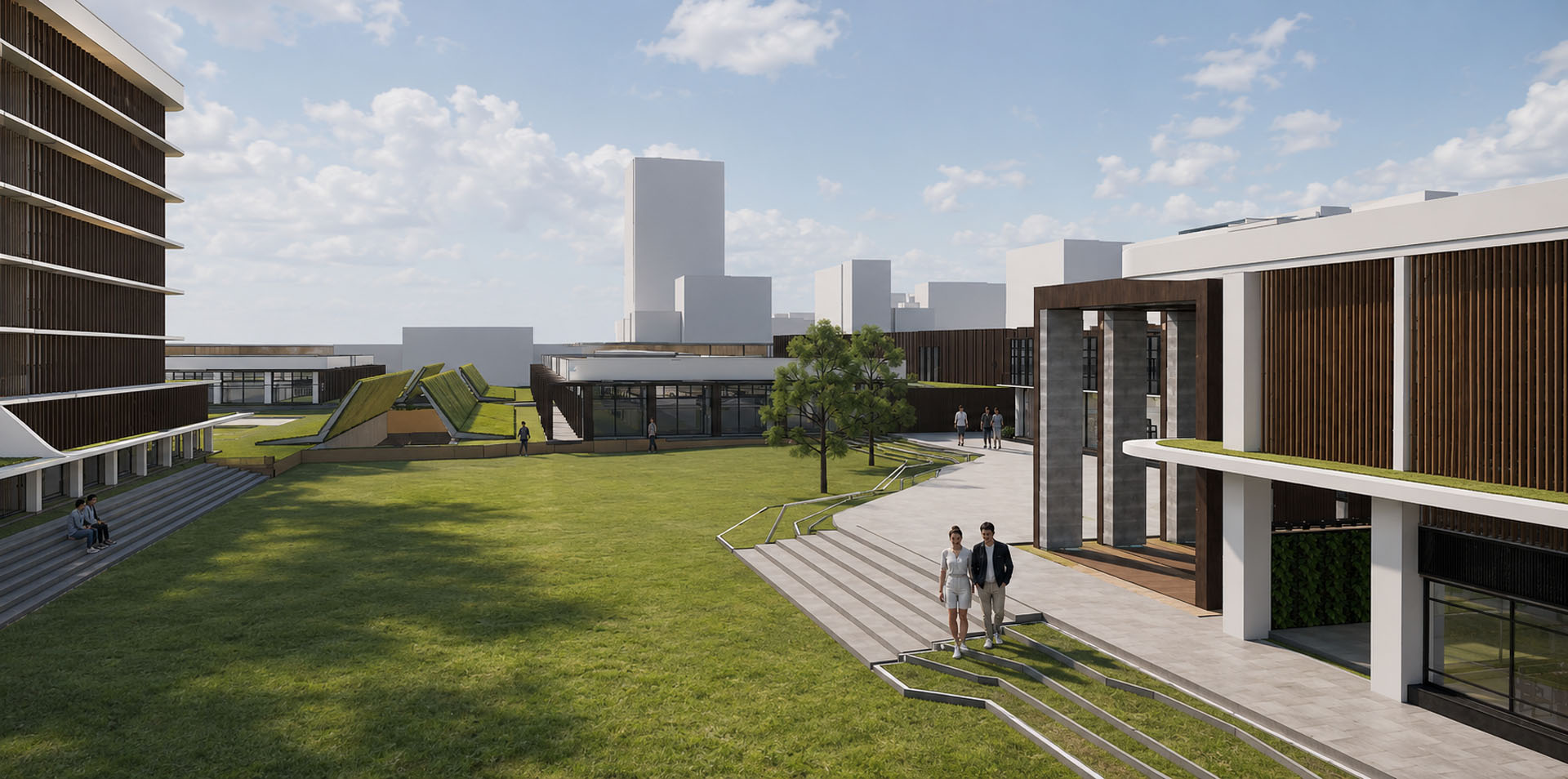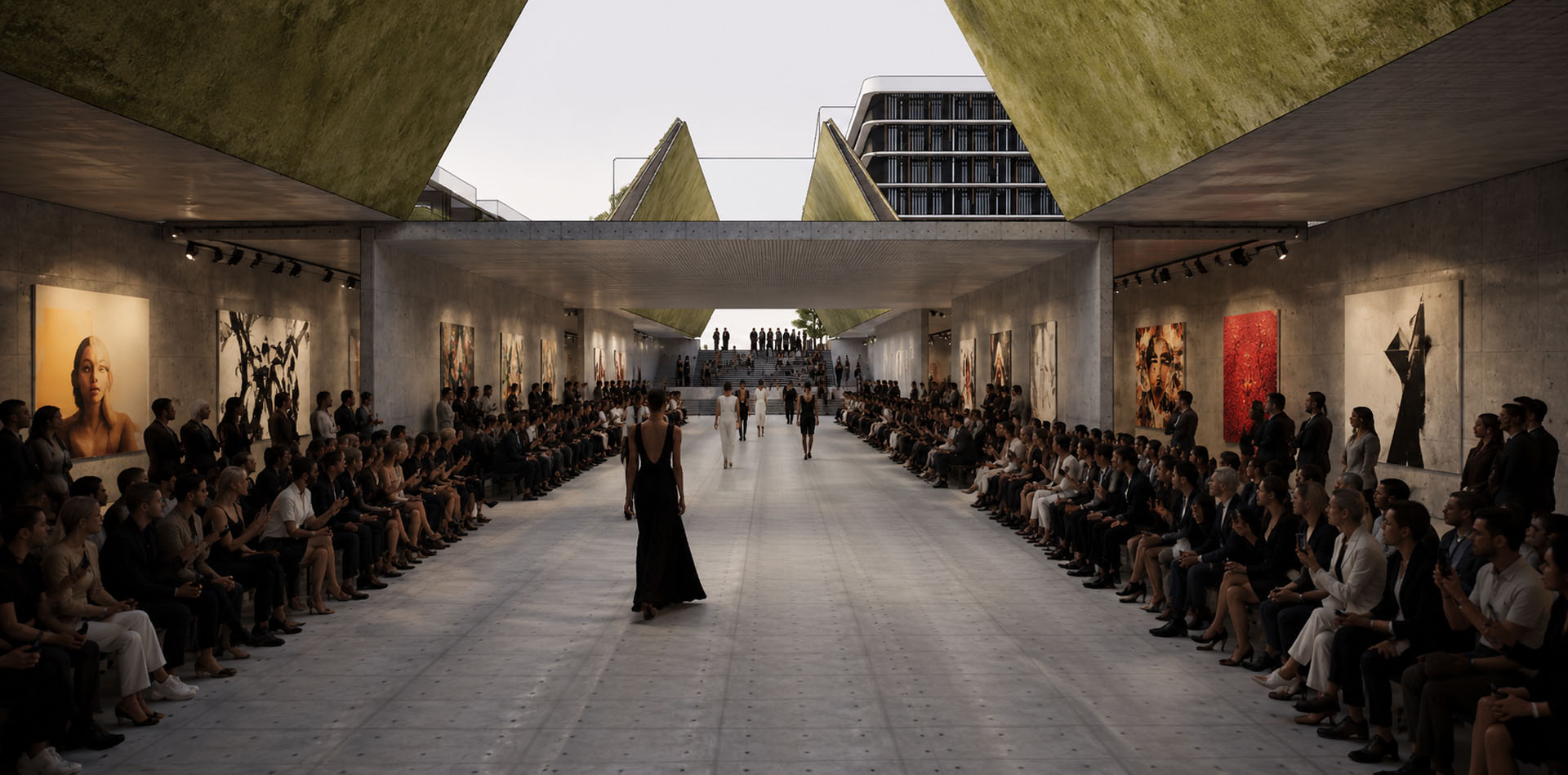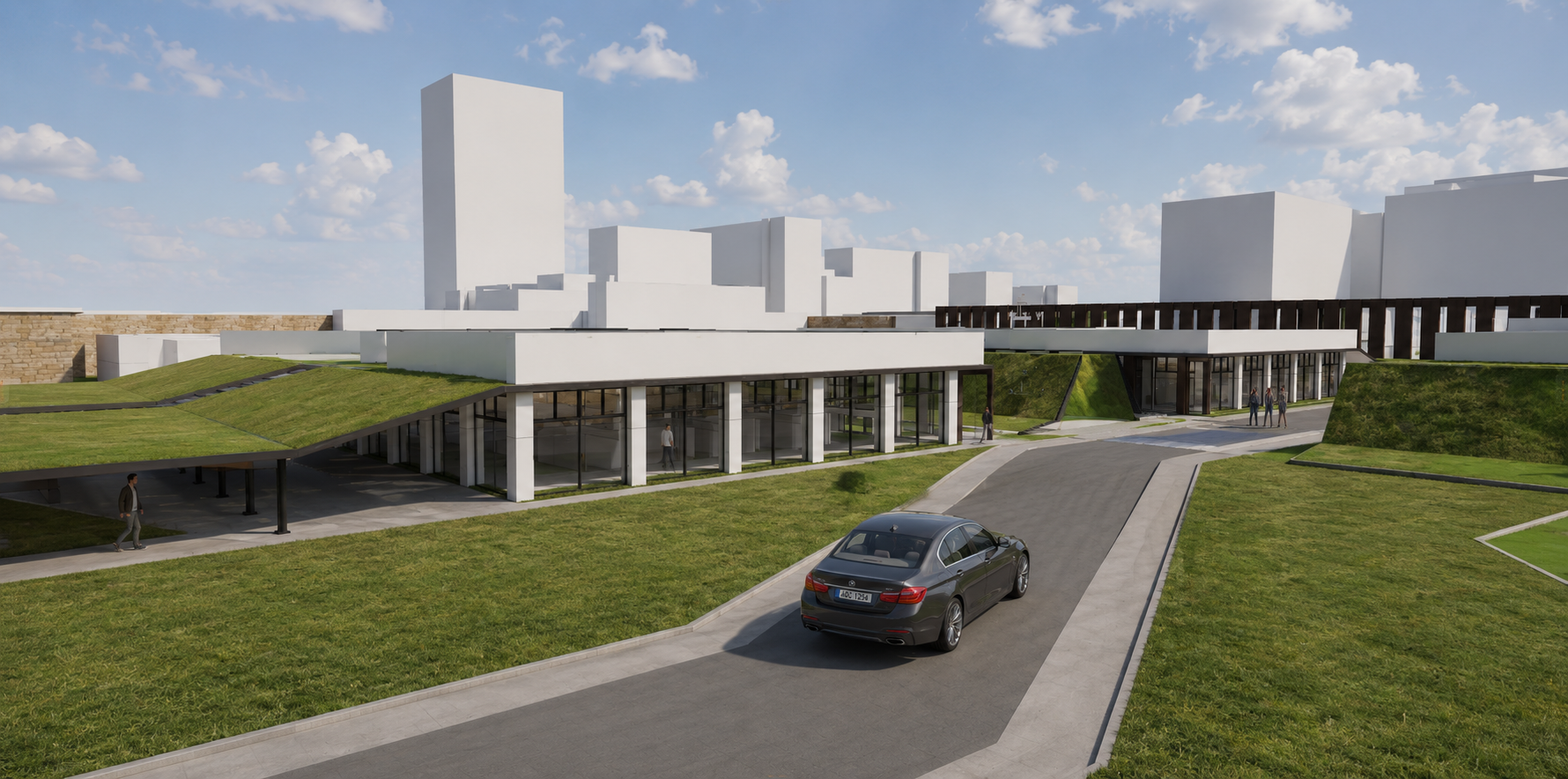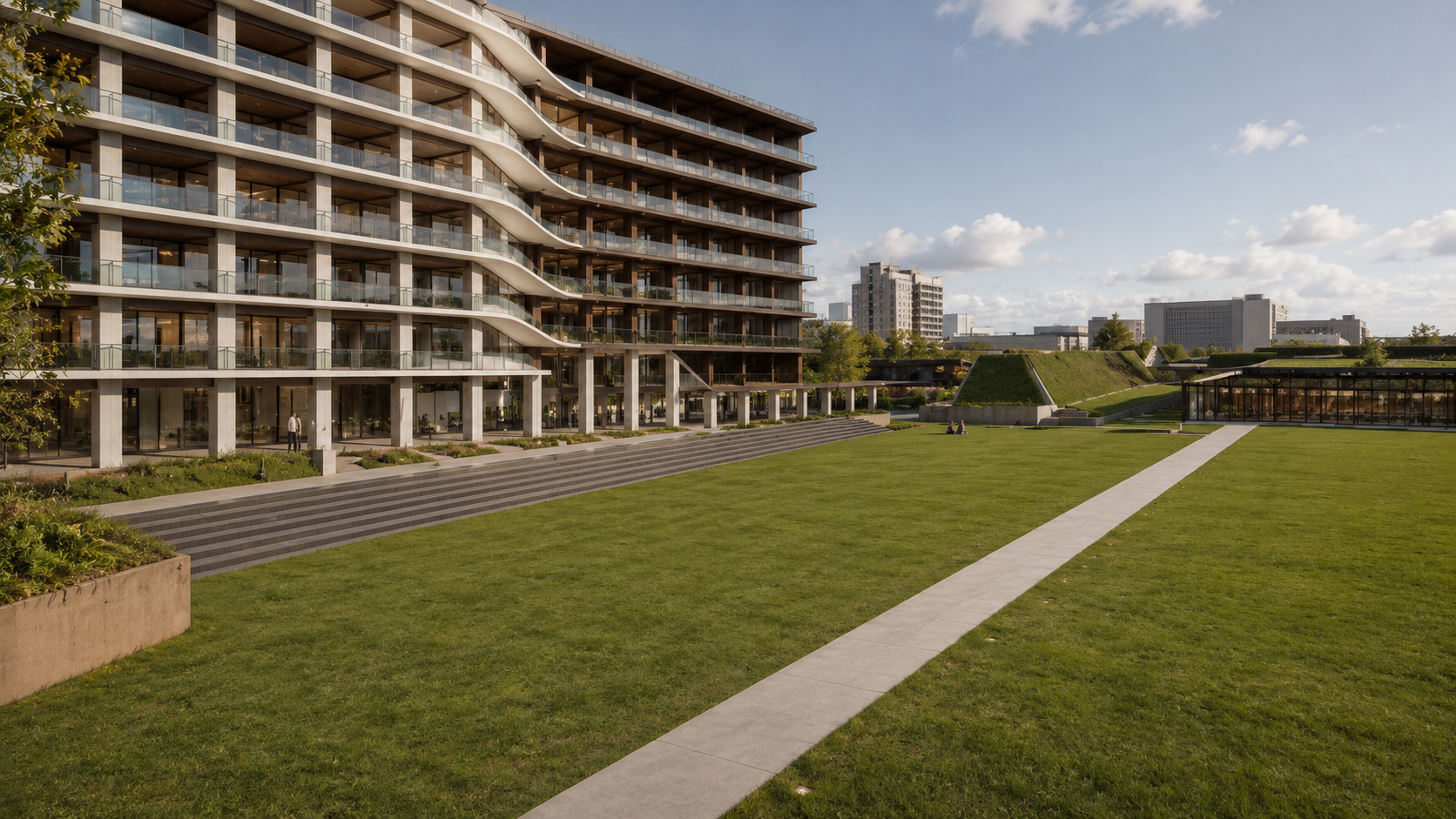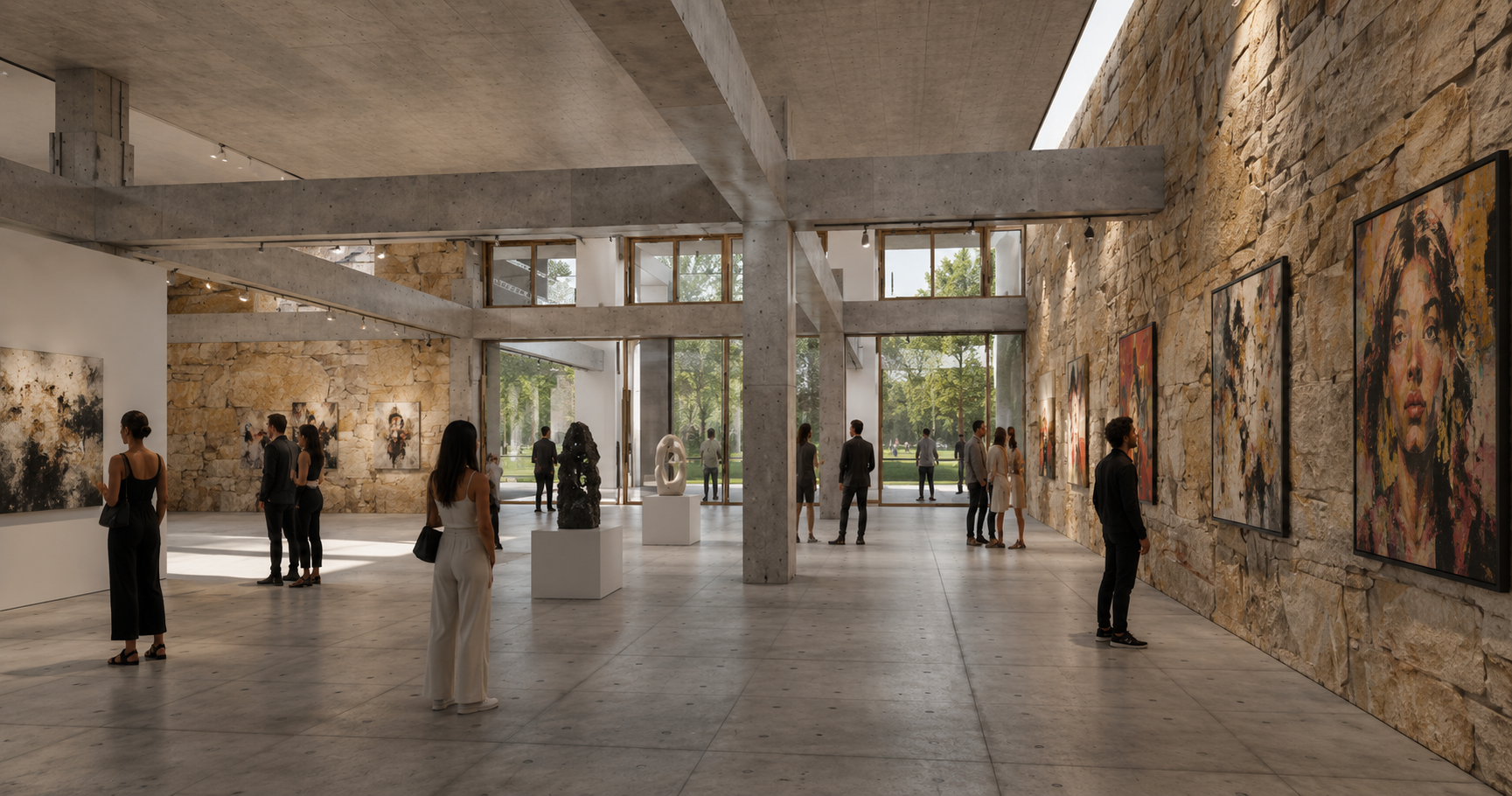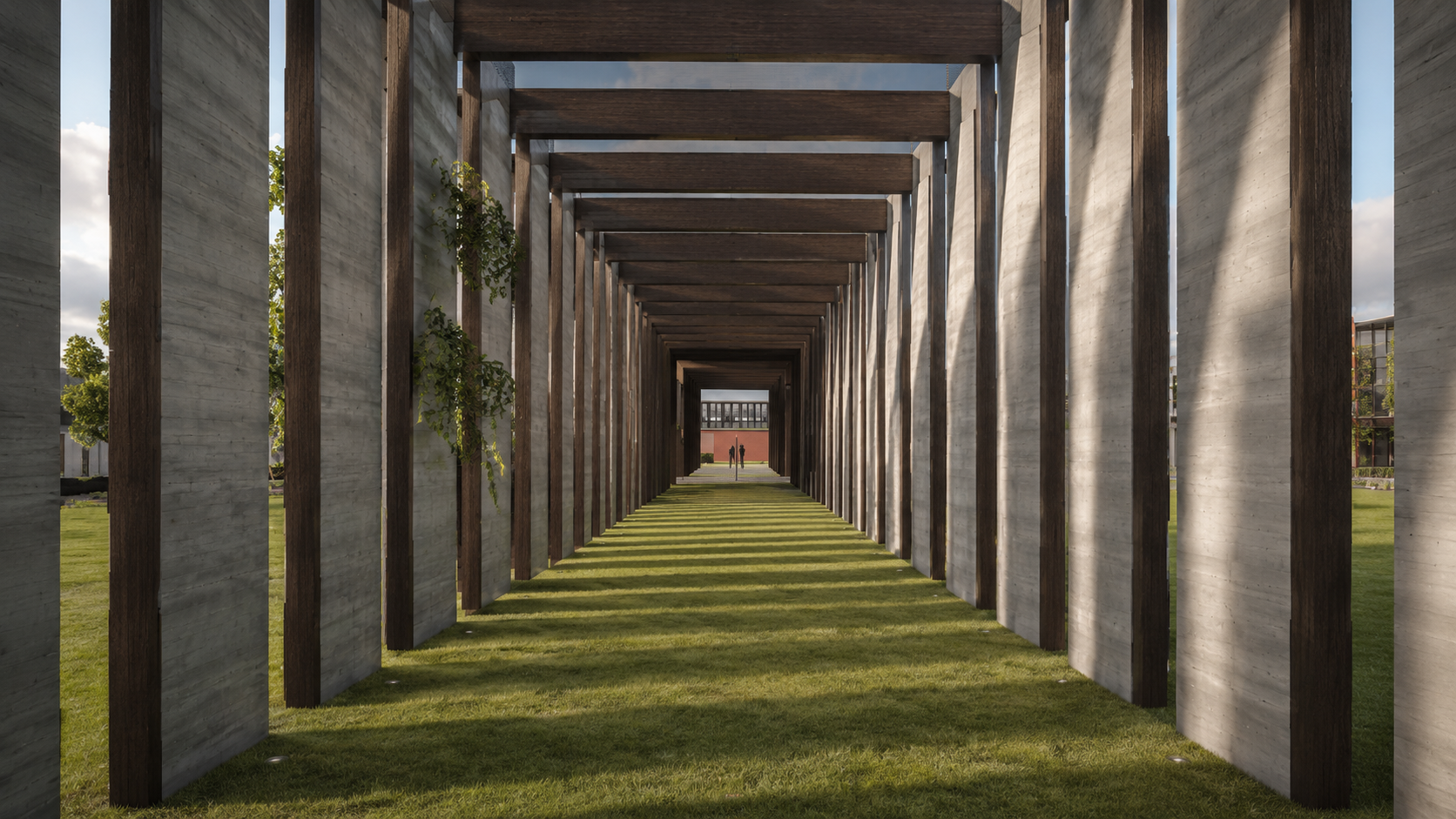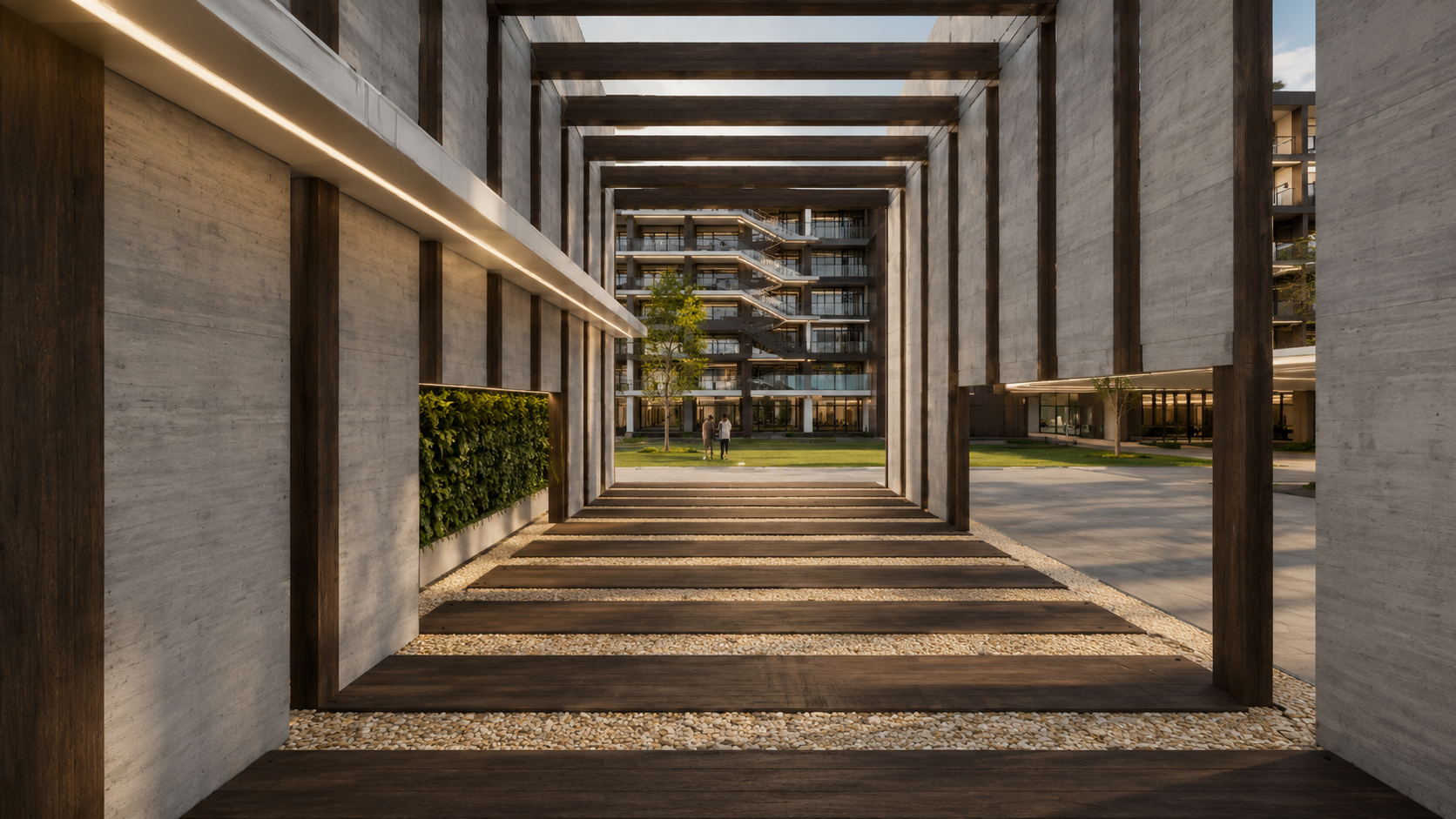
The deterioration of the Johannesburg Art Gallery is not merely the decline of a building, but the exposure of an outdated cultural model. Conceived within a colonial understanding of heritage, the conventional museum isolates art from the city, limits public engagement, and defines culture through containment rather than participation. This brief presents an opportunity to question these inherited ideas and reimagine what an African museum could become within the social, spatial, and cultural realities of contemporary Johannesburg. Rather than restoring the museum as an isolated object, the proposal transforms the entire precinct into a living cultural landscape where exhibition, artistic production, education, and public life become inseparable. The proposal challenges the conventional museum typology by dissolving the distinction between architecture, landscape, and public space. Rather than functioning as a singular object dedicated solely to the preservation and display of art, the museum becomes an open cultural landscape that supports exhibition, education, production, performance, and every day public occupation. Programmes are distributed across interconnected pavilions embedded within the terrain, creating continuous movement between interior and exterior environments. This approach expands public accessibility to Johannesburg’s extensive art collection while establishing the precinct as an active civic destination that strengthens relationships between culture, community, and the evolving urban fabric.
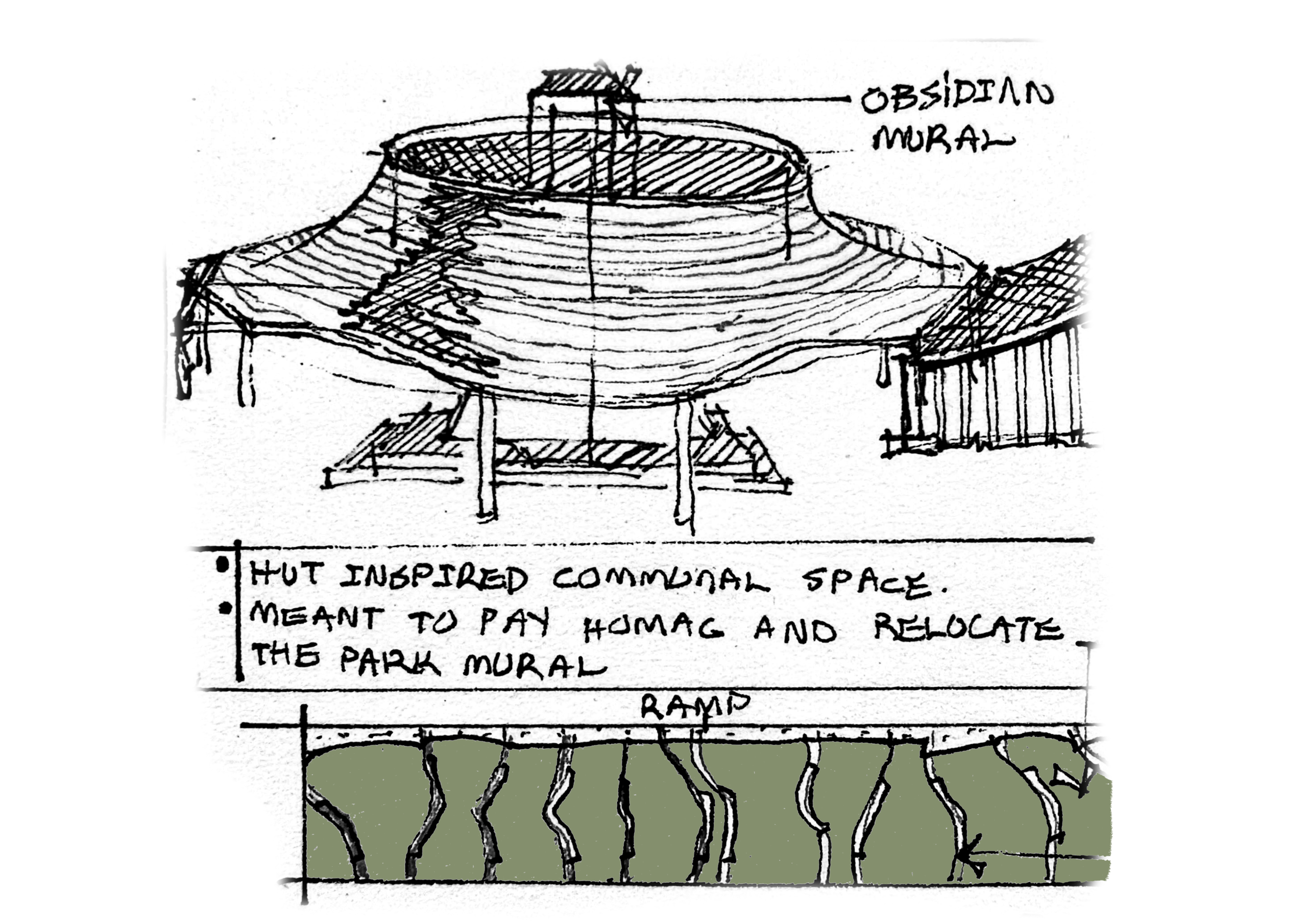
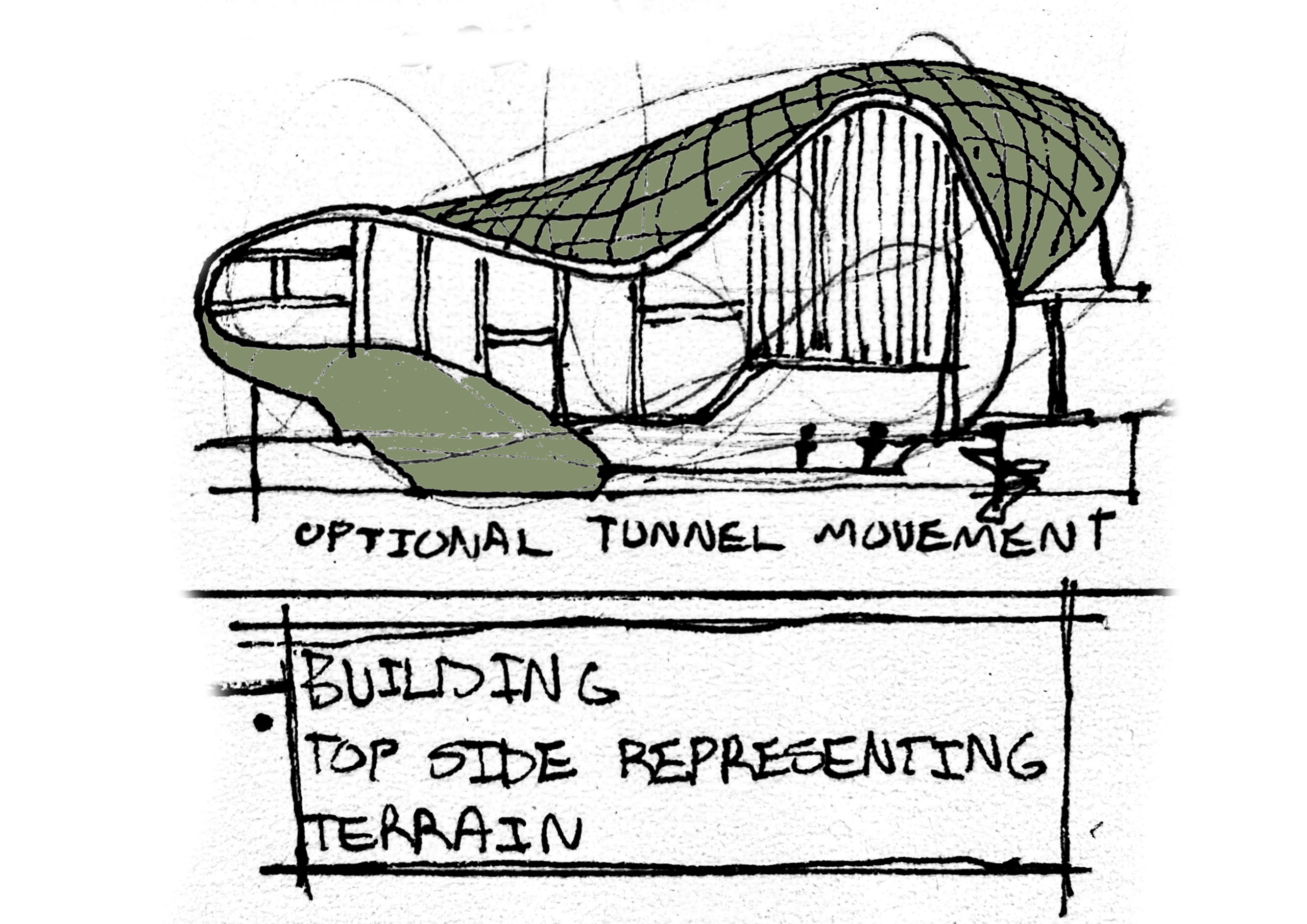
The proposal reimagines the museum as a living cultural landscape that dissolves the conventional boundaries between architecture, park, and city. Rather than functioning as an isolated object dedicated solely to the preservation and display of art, the museum becomes an accessible civic environment where exhibition, artistic production, education, performance, and public life exist as interconnected experiences. This approach responds to Johannesburg’s evolving cultural identity by extending the museum beyond its walls and into the public realm, transforming Joubert Park into an active cultural precinct. The concept is informed by the protective, adaptive, and connective qualities of African skin. Instead of translating skin into a literal architectural form, the project interprets it as a living interface that mediates between people, culture, and environment. This understanding generates an architecture embedded within the landscape, where the ground folds to create inhabitable roofscapes, sheltered cultural spaces, and a continuous network of public circulation. The landscape becomes a cultural skin that protects artistic activity while encouraging movement, interaction, and collective ownership. Heritage is therefore understood not as a static collection of objects, but as a dynamic process of making, learning, and exchange that reflects the social and cultural realities of contemporary Johannesburg.
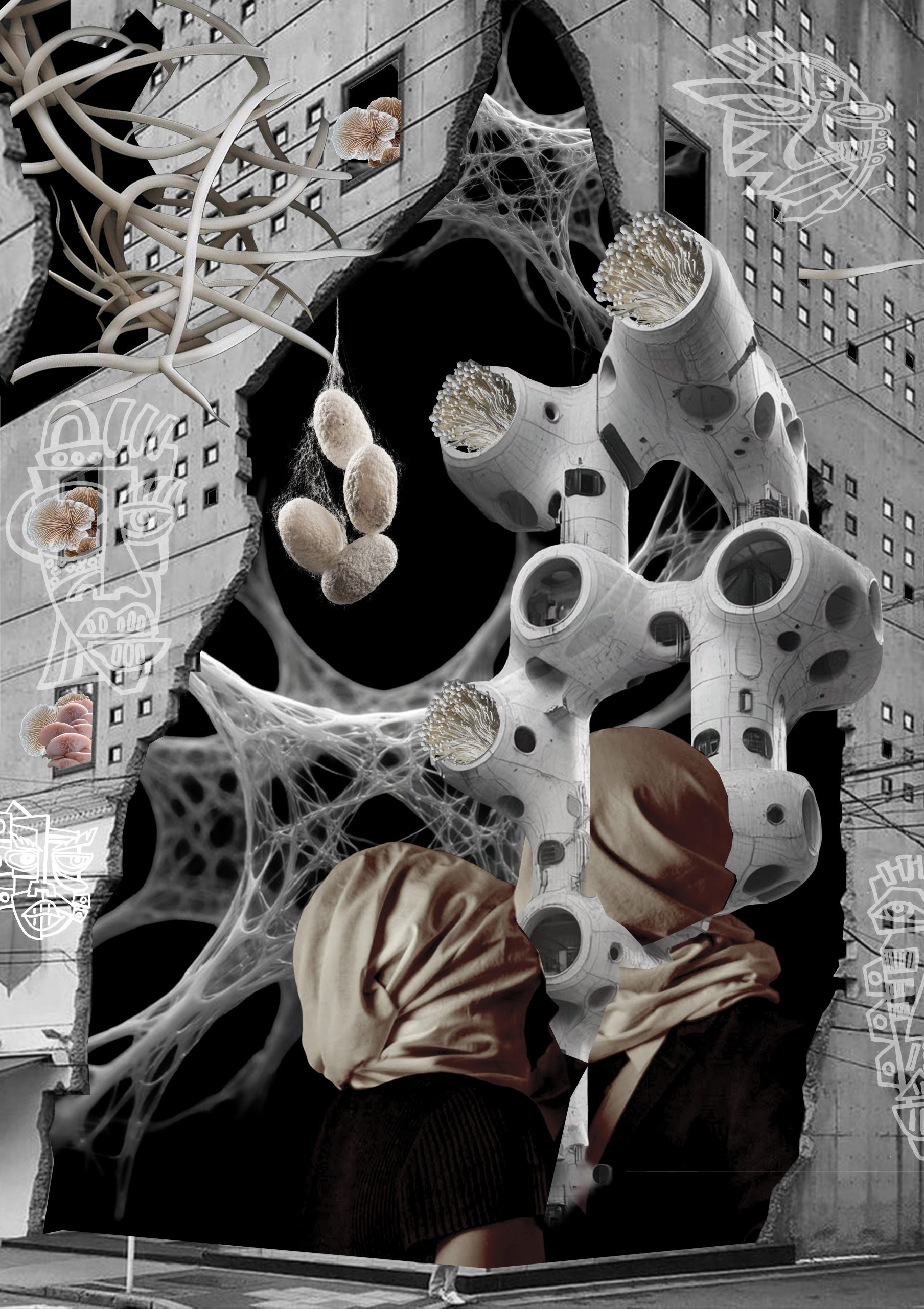
Throughout the design process, the project evolved from a formal investigation of African skin and animal hide into a broader exploration of how architecture can redefine the role of the museum within an African city. While these precedents initially informed ideas of materiality and form, they ultimately became conceptual frameworks for understanding protection, continuity, memory, and adaptability. This shift allowed the architecture to move beyond symbolic representation and instead express these principles through landscape, movement, and spatial experience. The final proposal reflects an understanding that heritage is not only preserved through buildings and collections, but through participation, cultural production, and public engagement. By embedding the programme within the terrain and integrating art with everyday urban life, the project proposes a museum that is experienced as part of the city itself—an open cultural landscape that connects people, place, and memory while offering a resilient vision for the future of the Johannesburg Art Gallery.