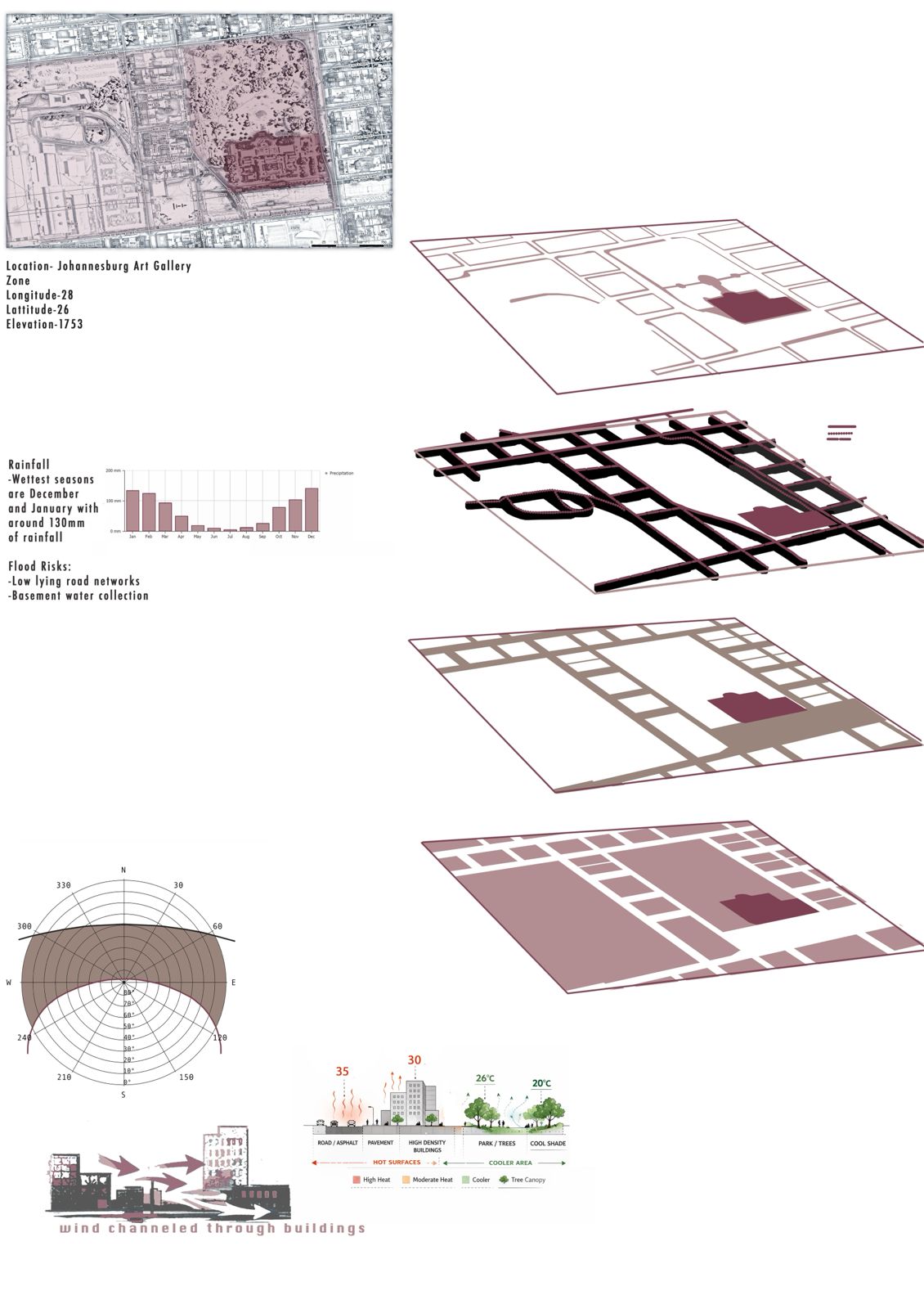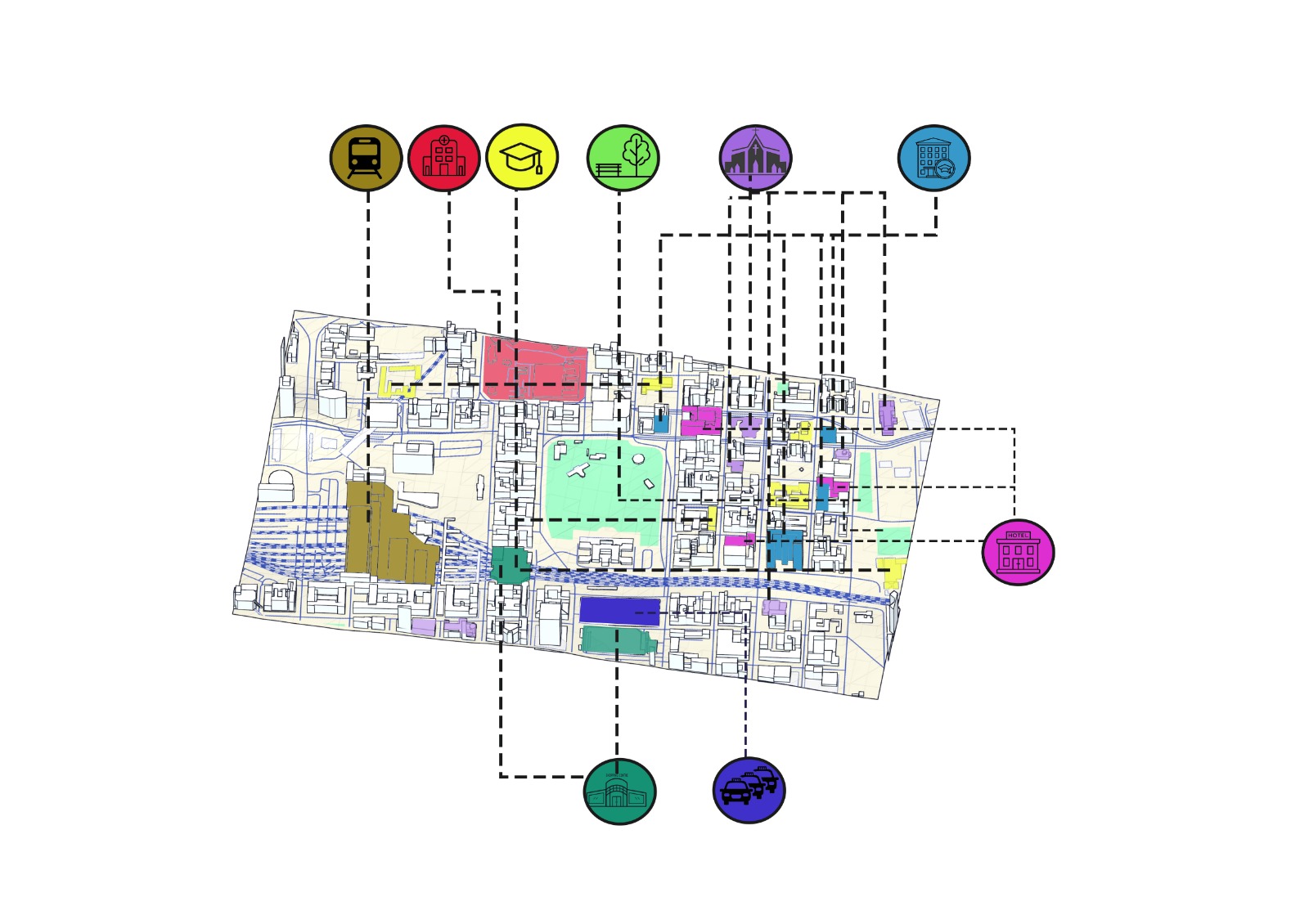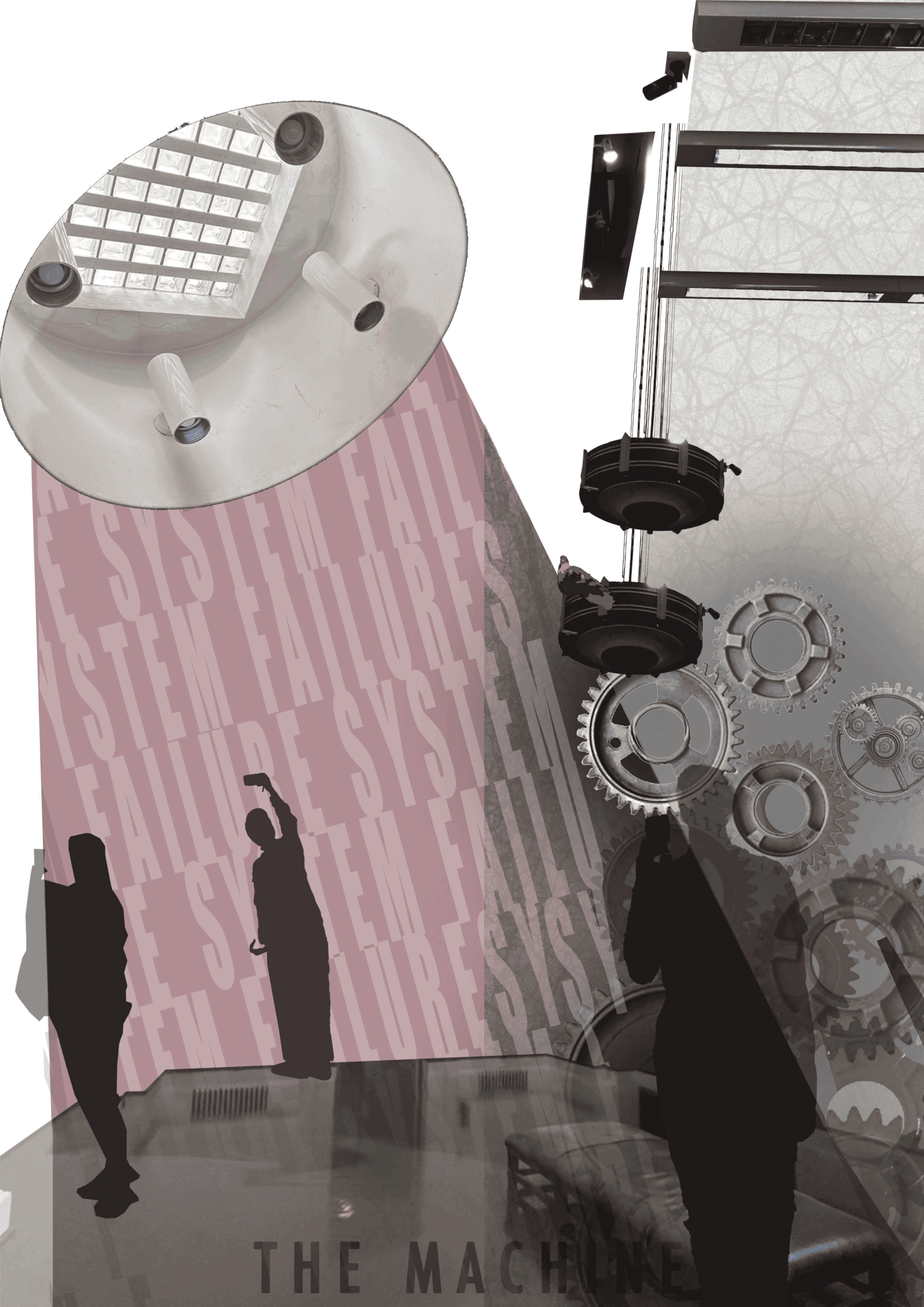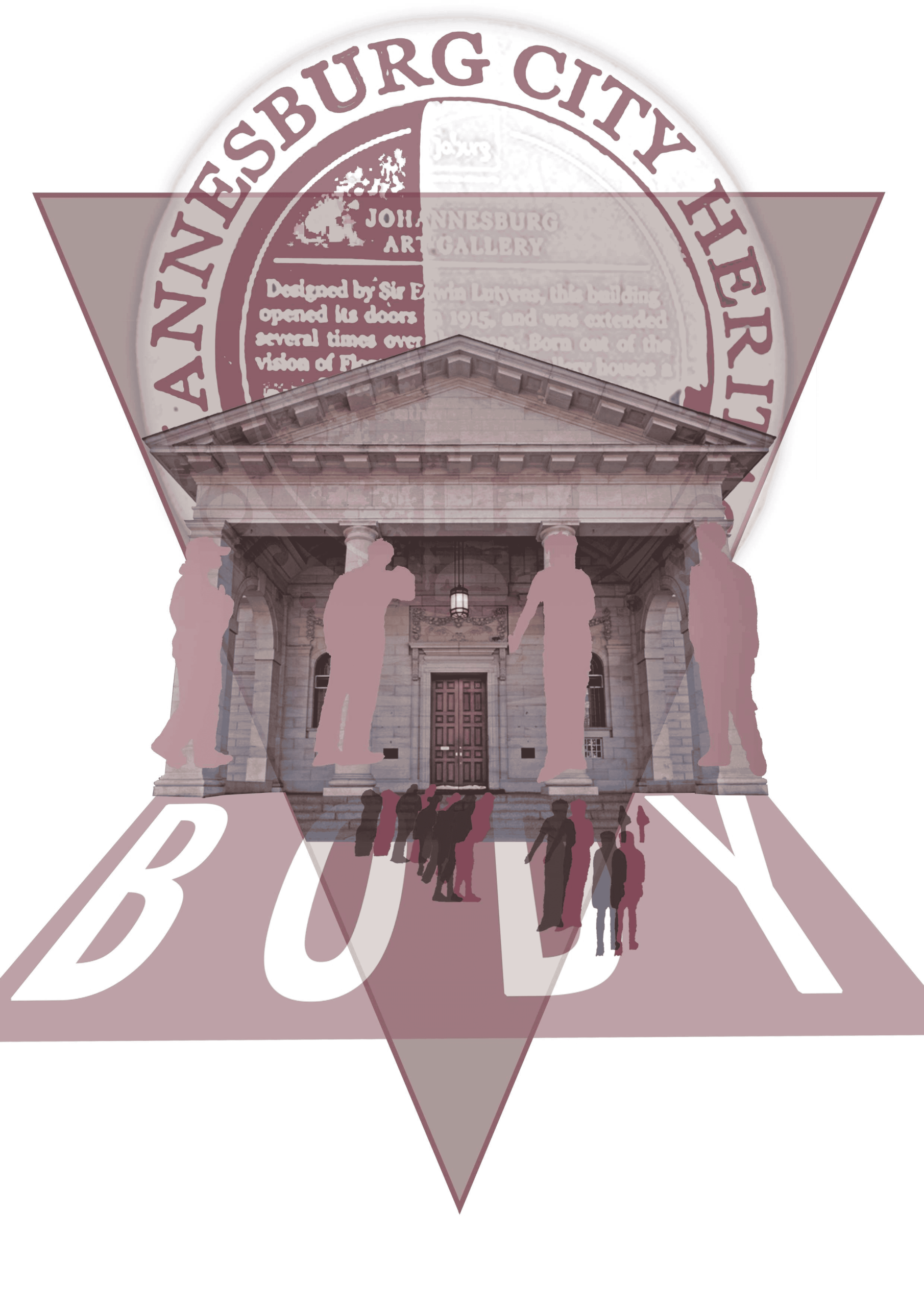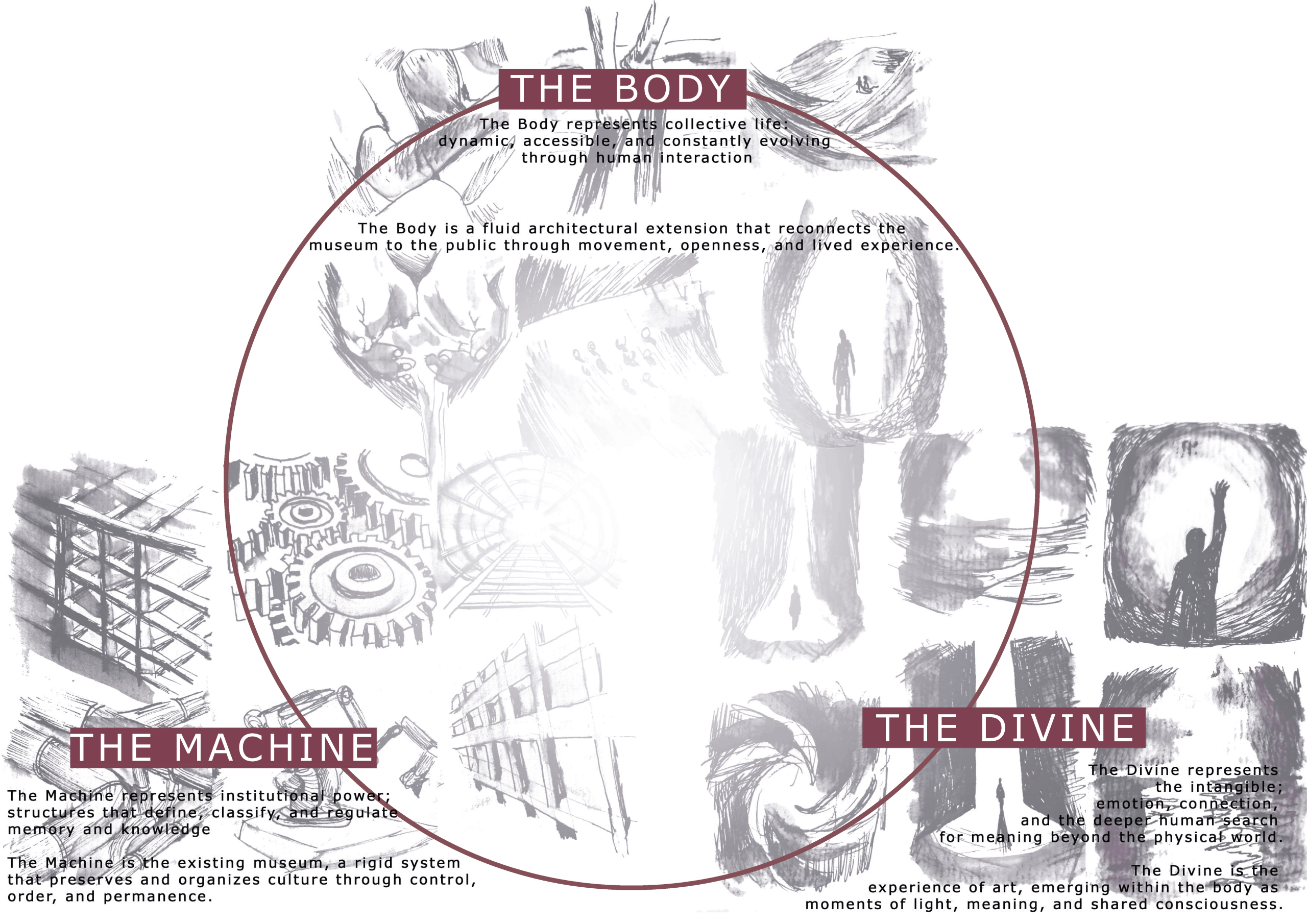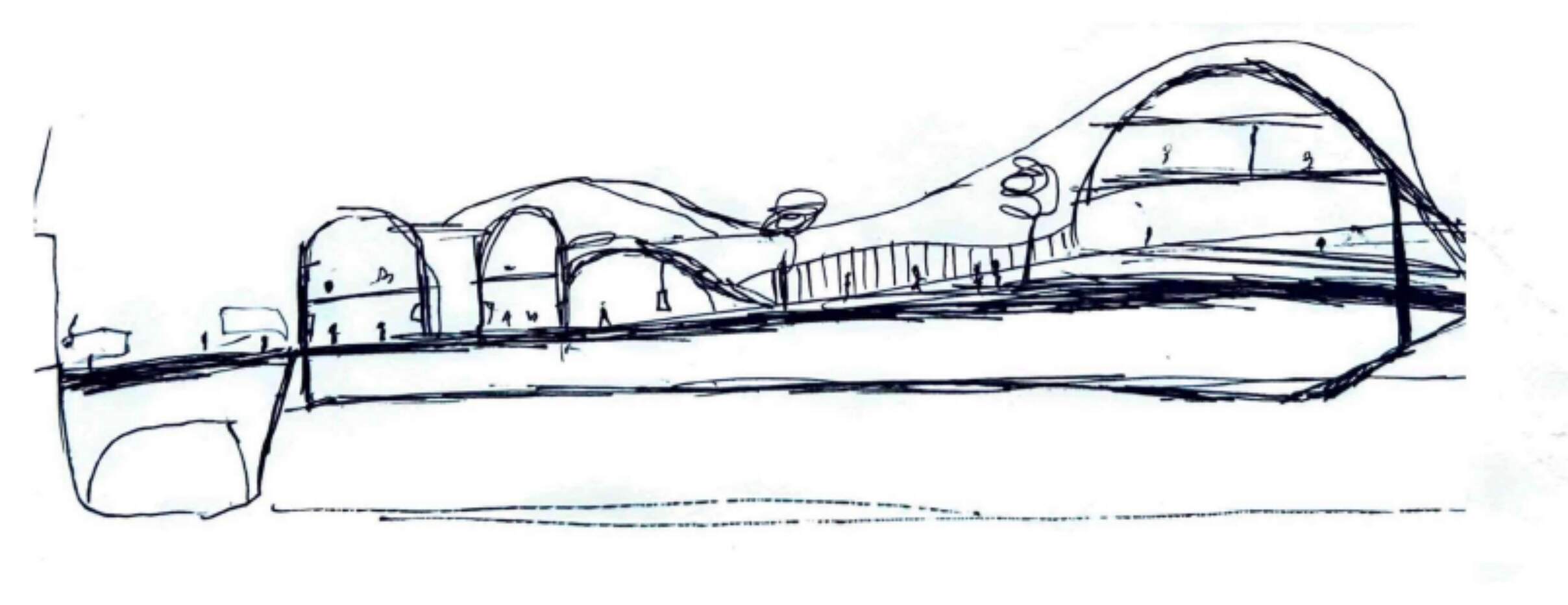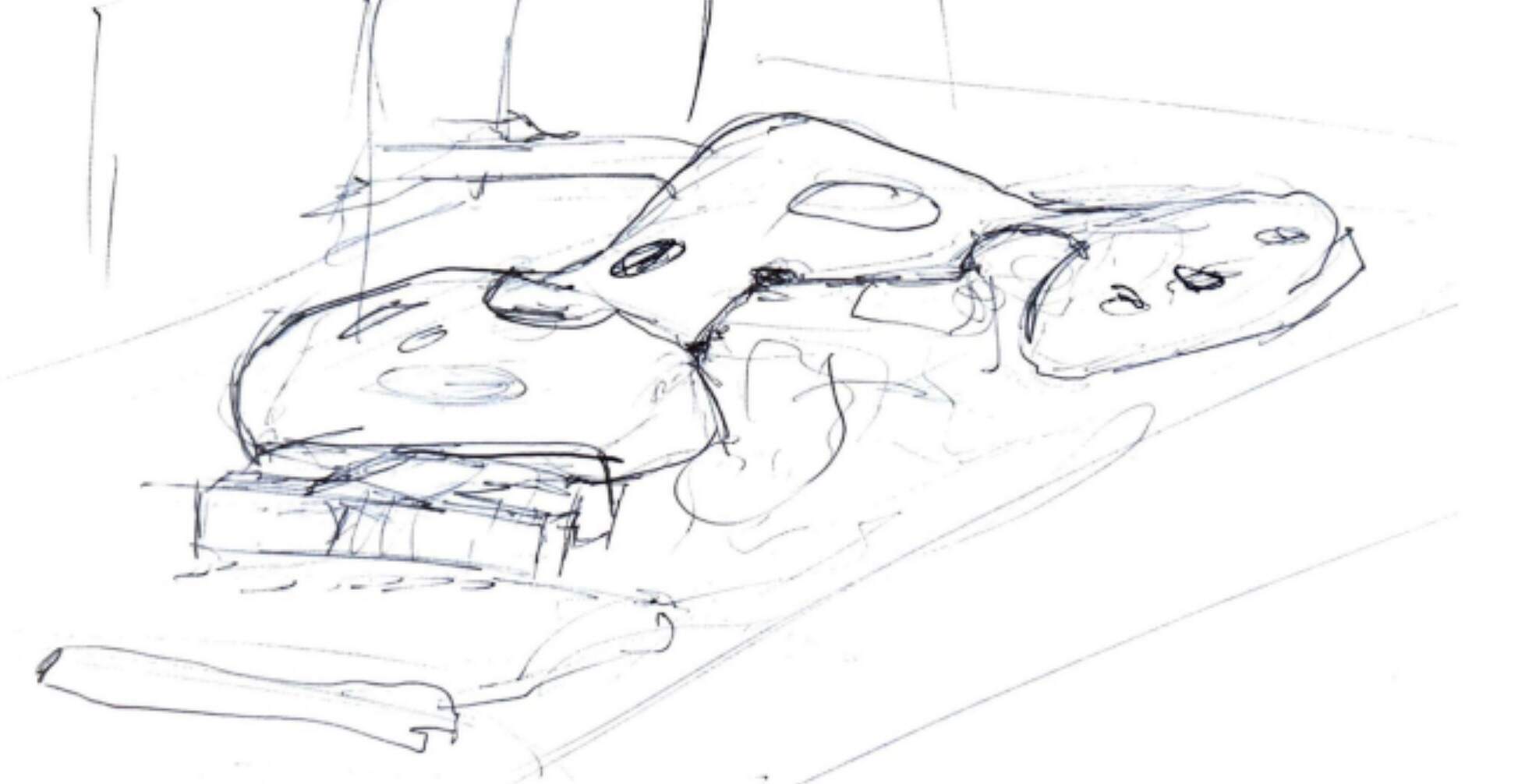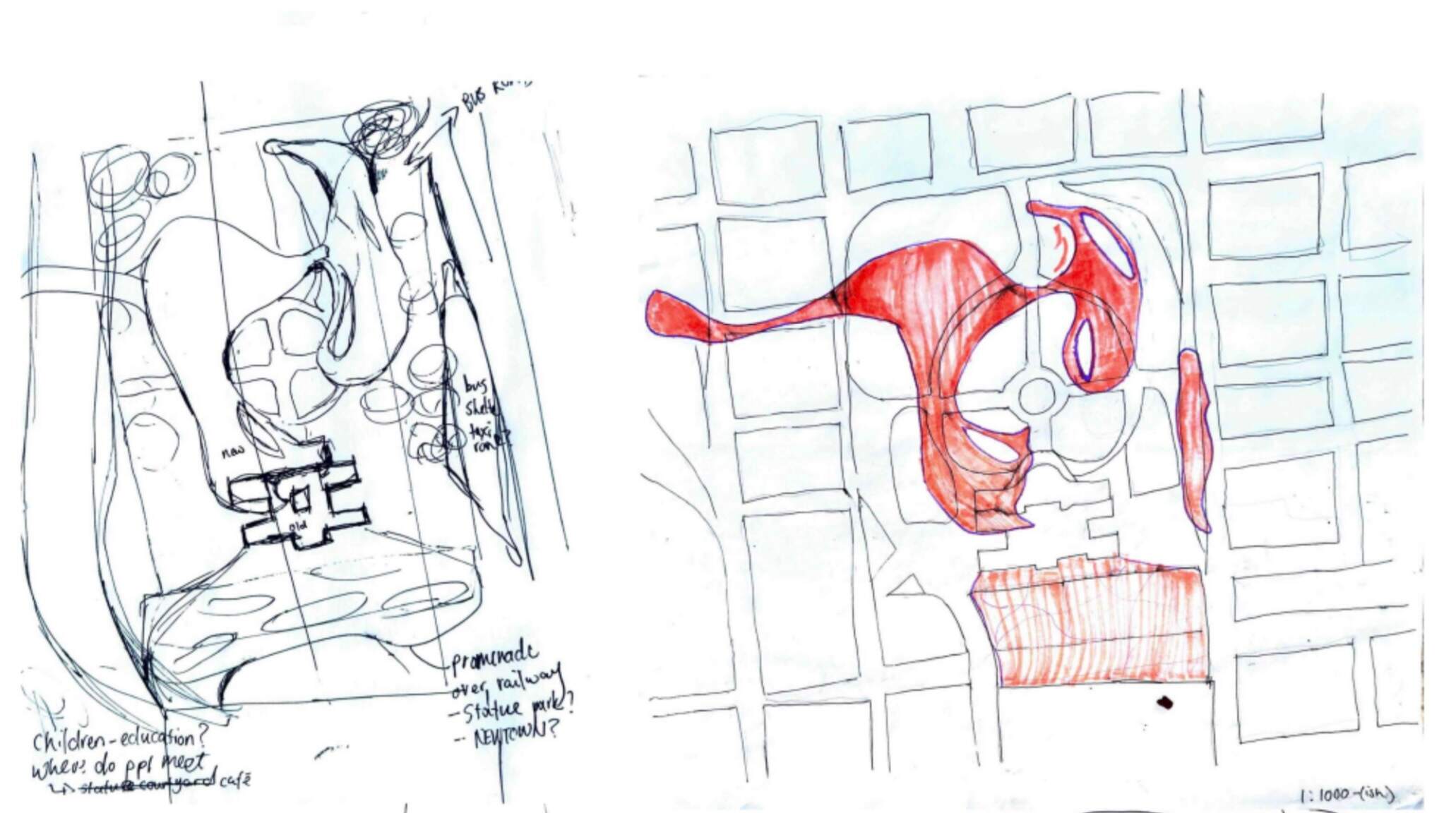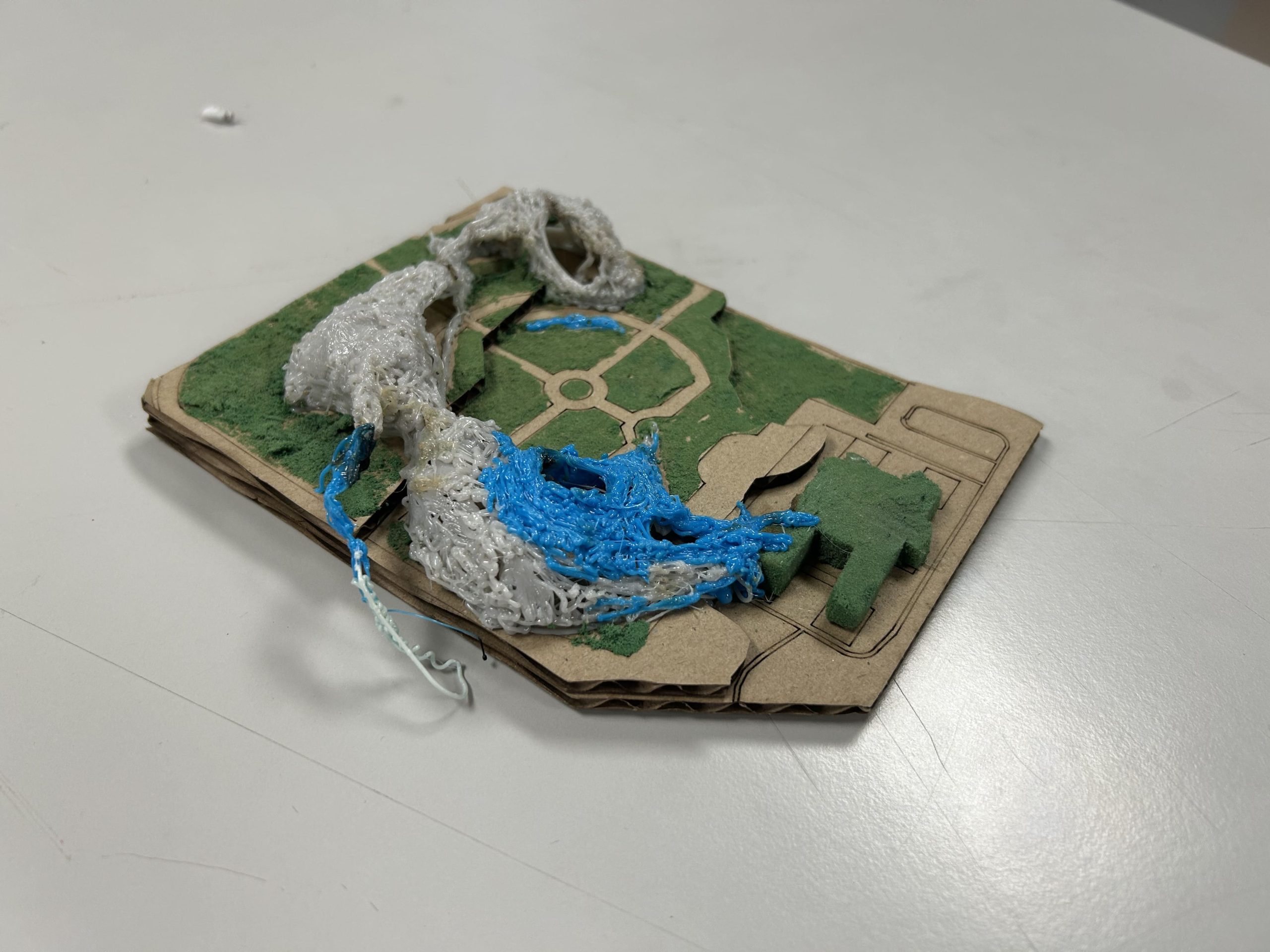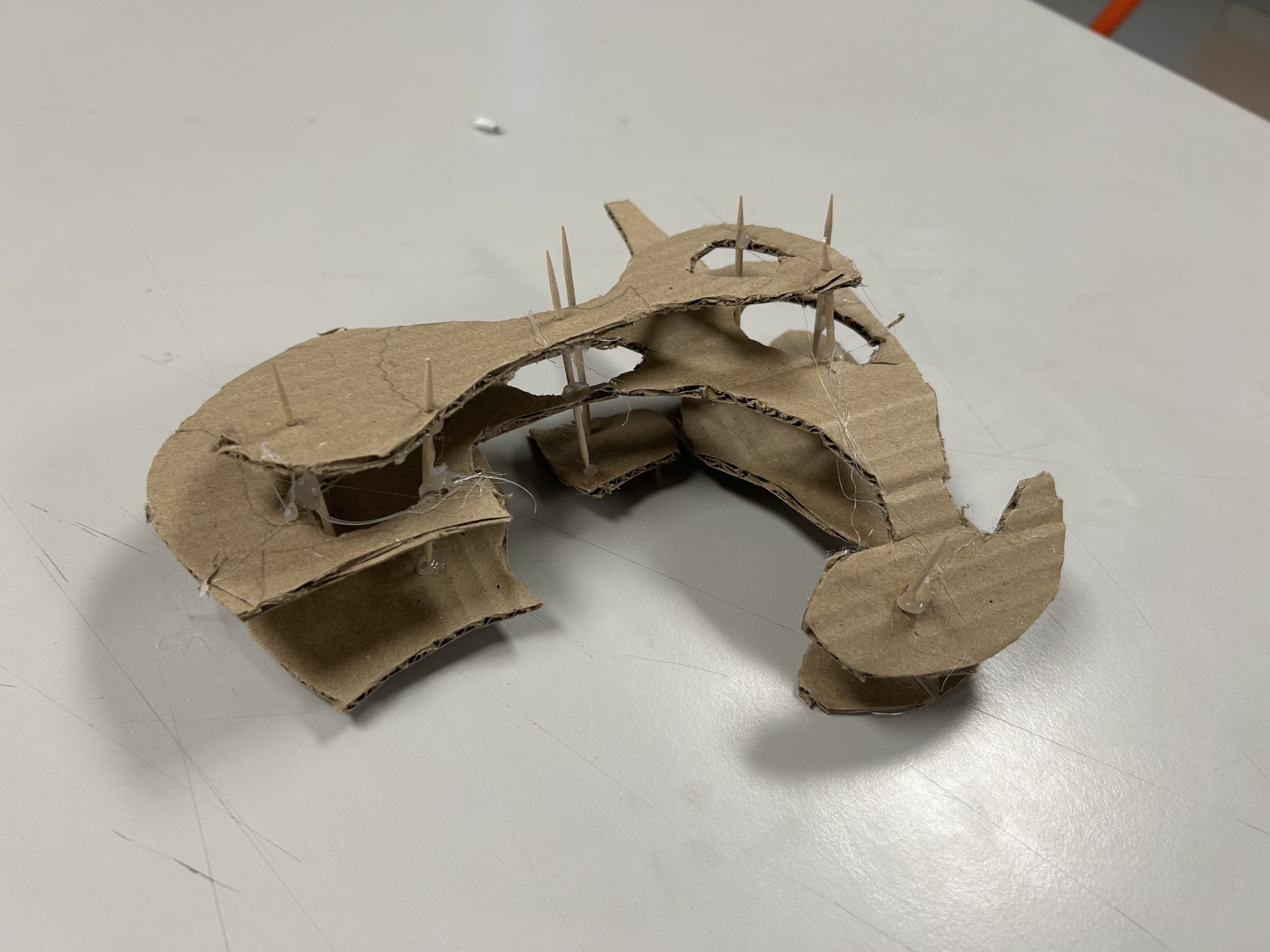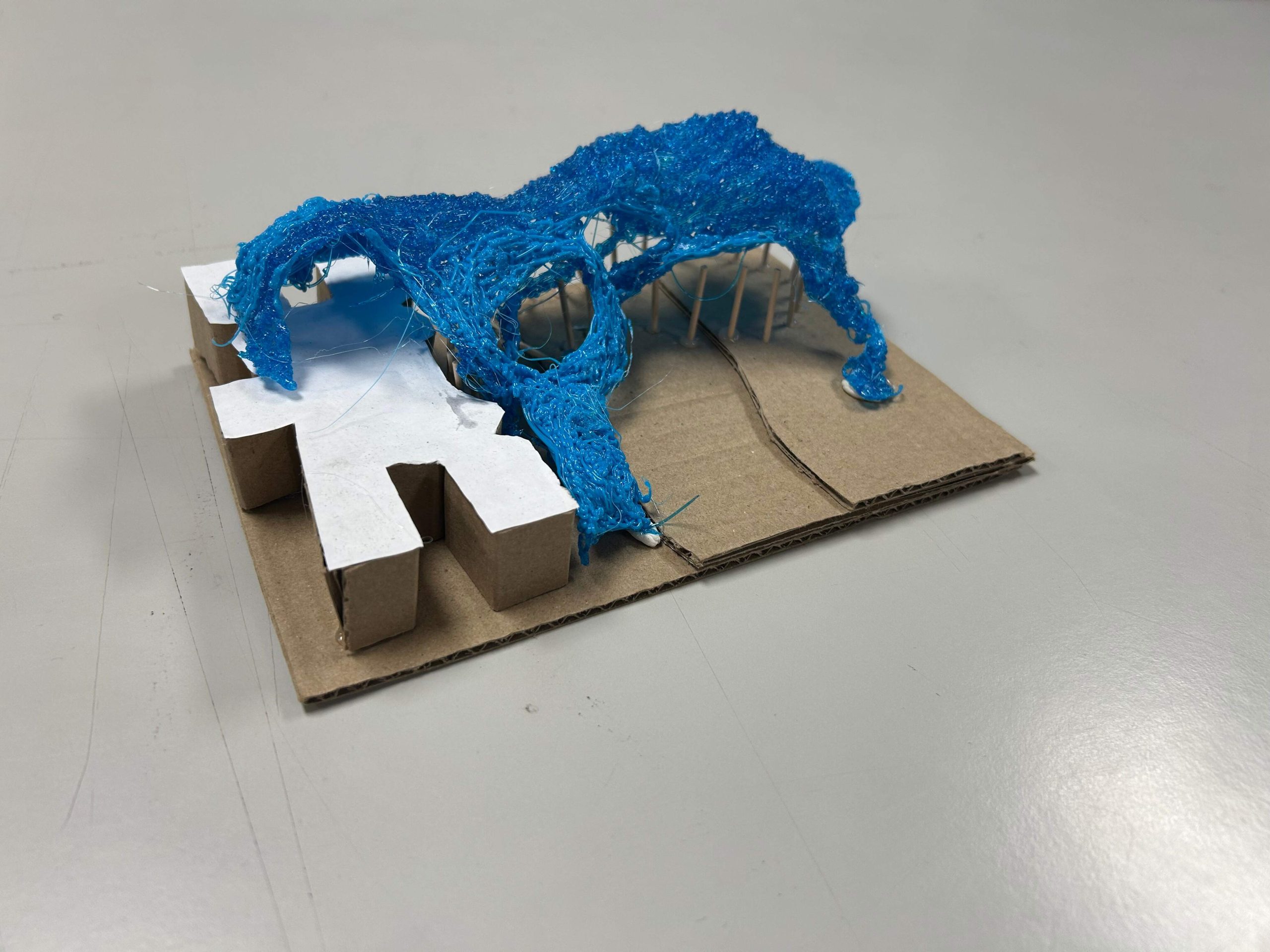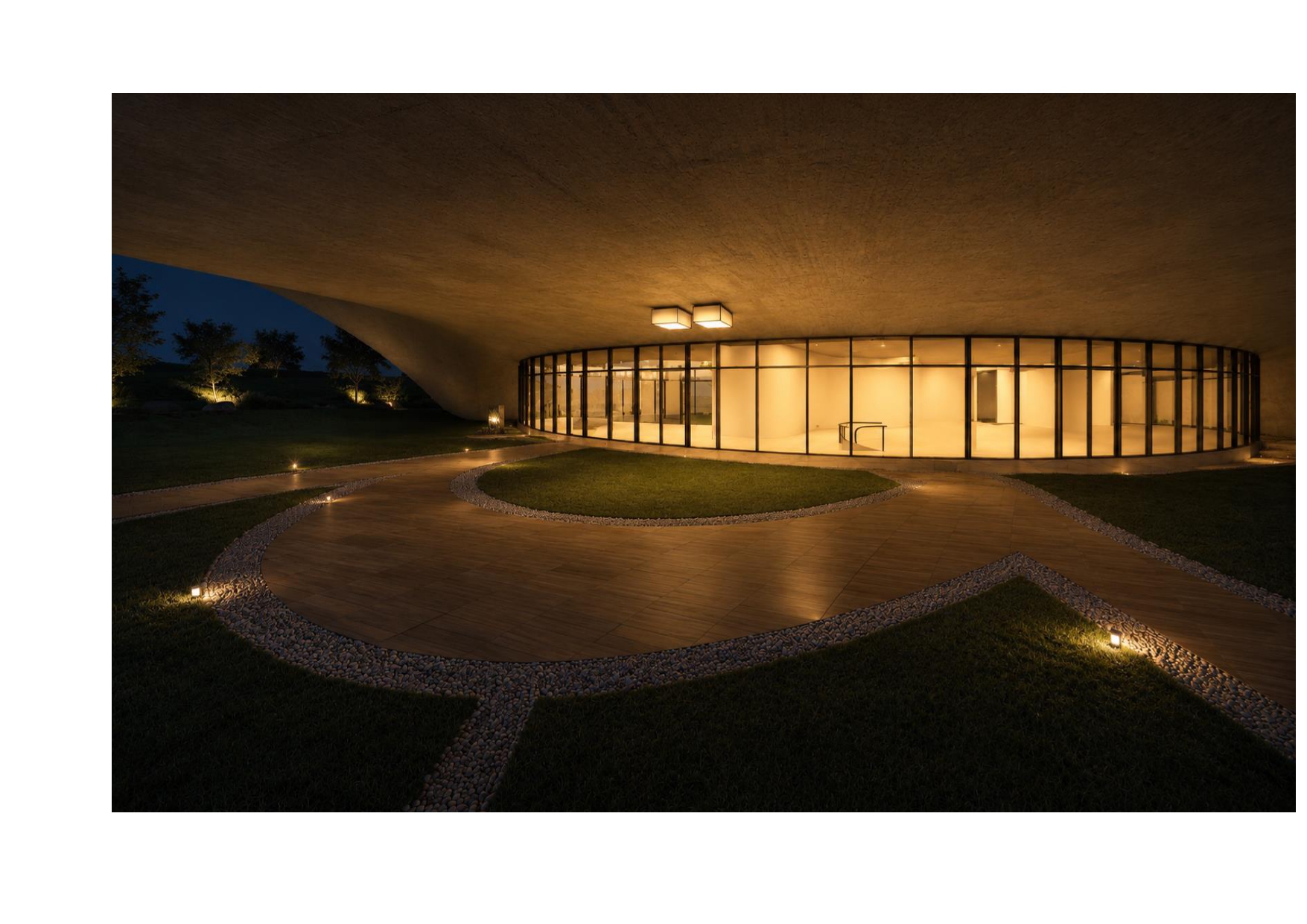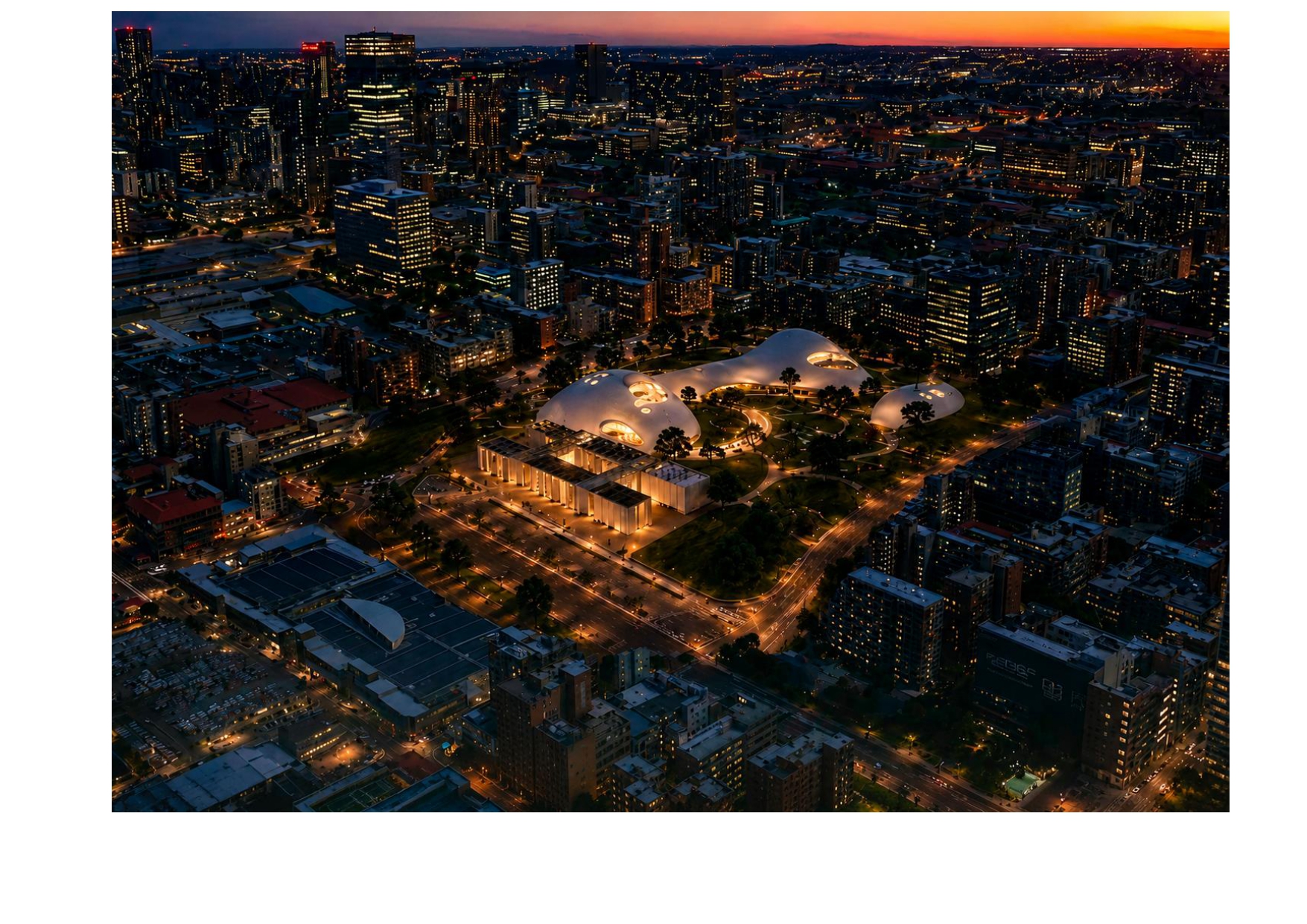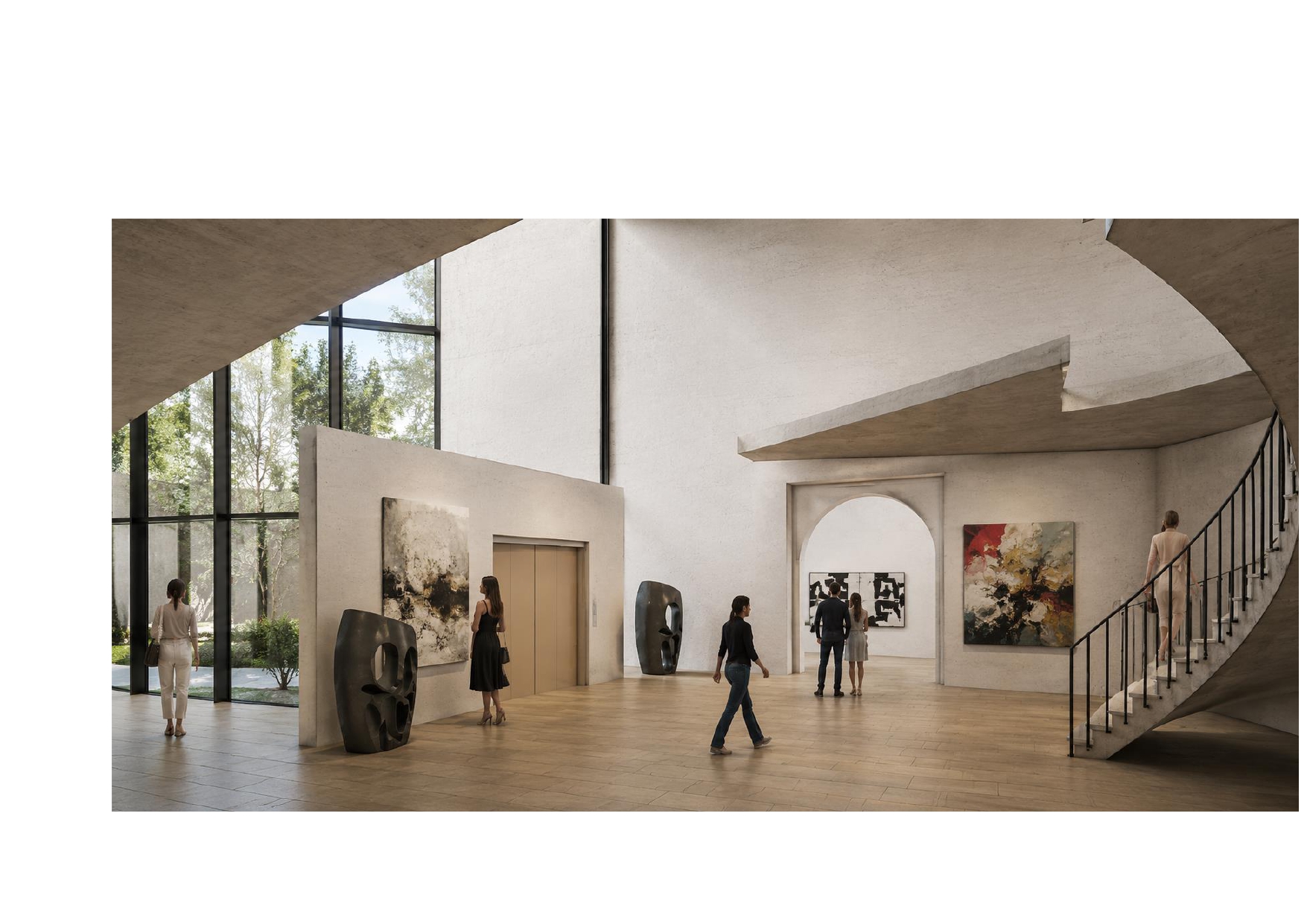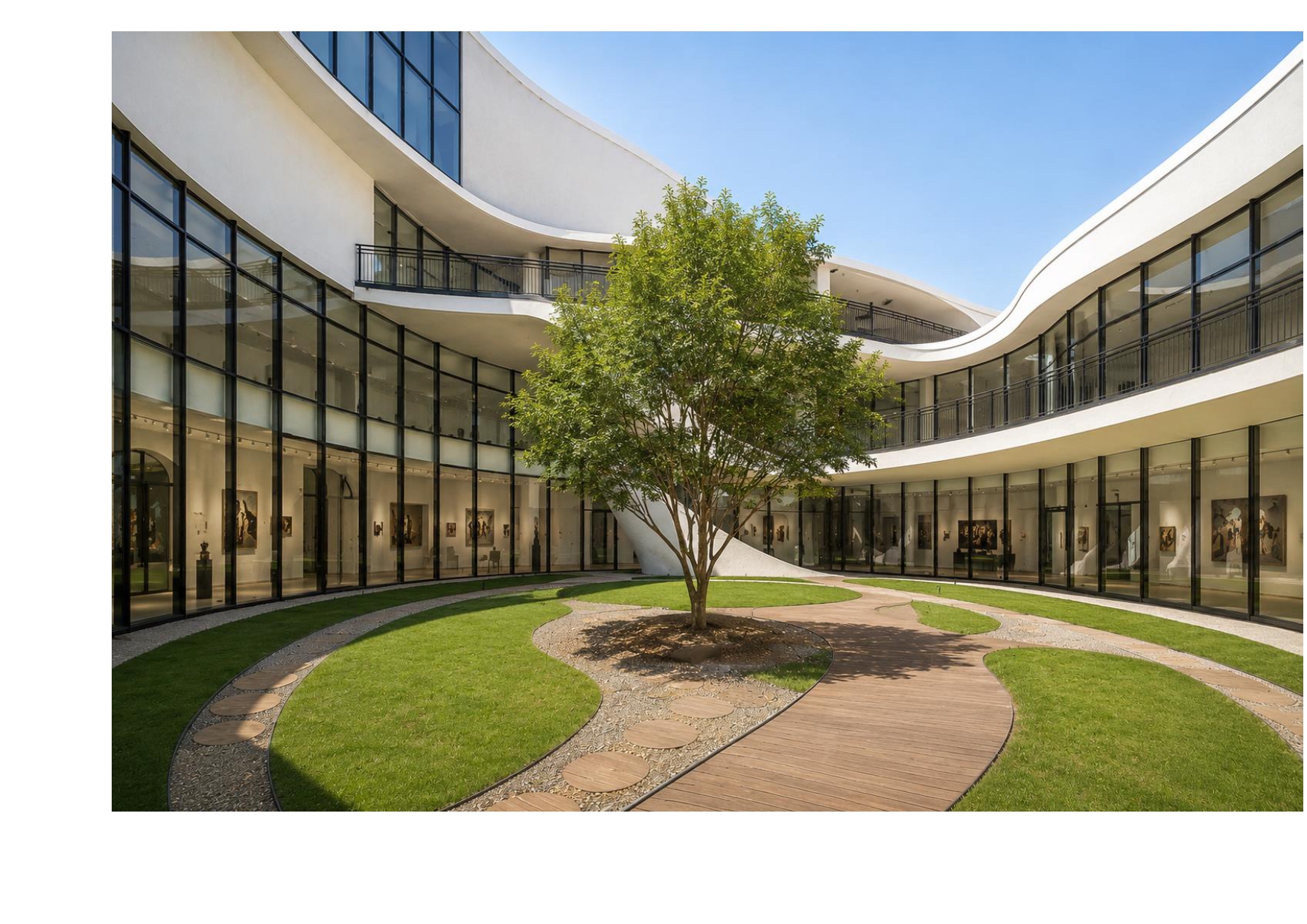
The Body, The Machine, The Divine is a proposed extension to the Johannesburg Art Gallery that explores the relationship between institutional preservation and public experience. The existing gallery is understood as the Machine, a rigid system that preserves objects, colonial memory, and cultural ownership. In contrast, the new extension becomes the Body, a fluid and accessible architectural intervention that produces contemporary civic memory through movement, interaction, and public participation. The Divine emerges through the experience of art and the collective consciousness of those who inhabit the museum. By connecting the gallery to Joubert Park through multiple access points, public routes, and gathering spaces, the project transforms the museum from a closed container of art into a living civic organism.
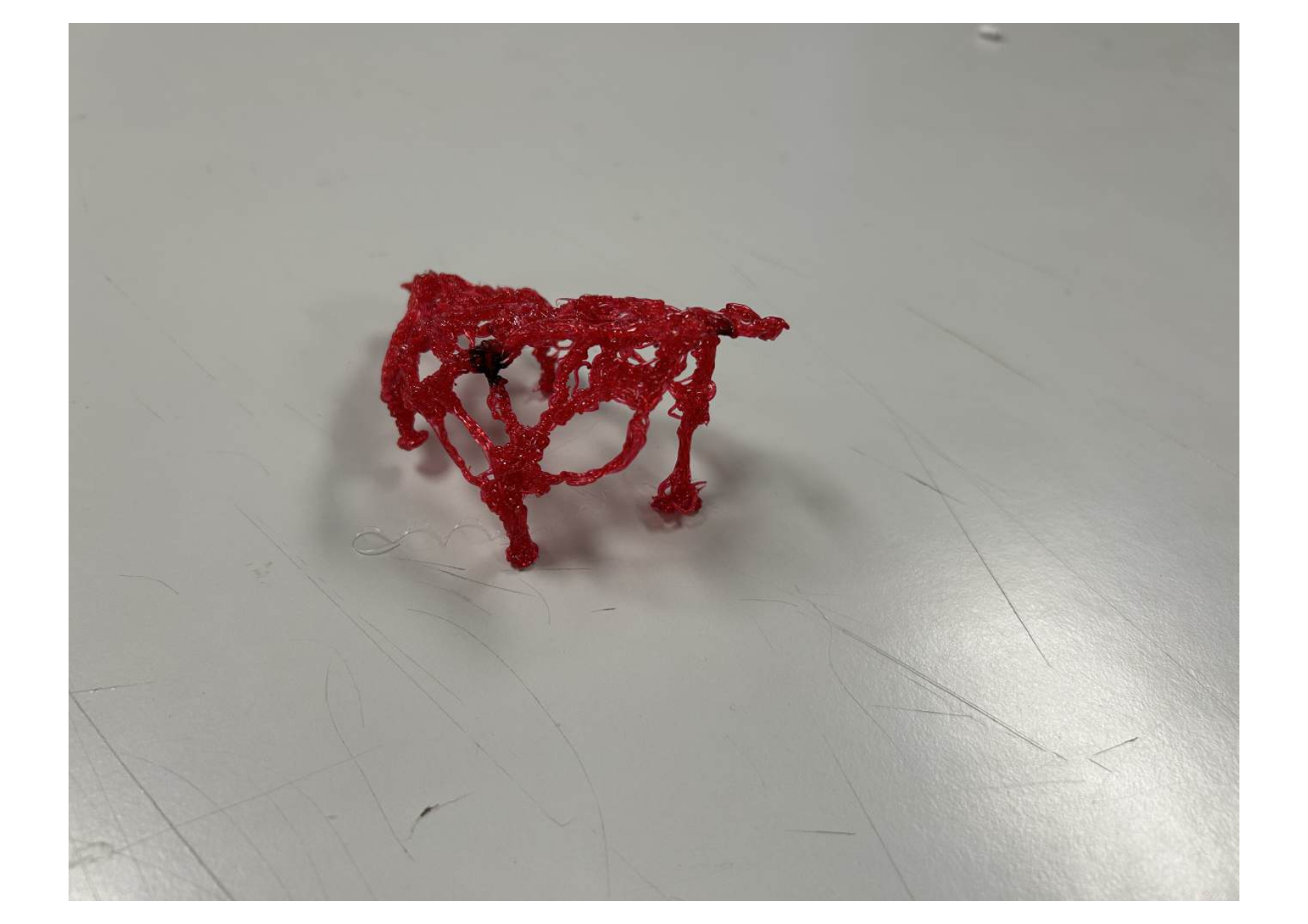
The concept for this project developed from an investigation into the relationship between institutions and the people they serve. Through precedent studies, collage explorations, theoretical research, and conceptual model making, the Johannesburg Art Gallery came to be understood as the Machine, an institution that preserves cultural memory through systems of order, ownership, and classification. This interpretation raised questions about how museums can evolve to become more relevant within contemporary cities. The proposed extension became the Body, introducing a more fluid architectural language that encourages movement, interaction, and public participation. The Divine emerged as the experiential quality of art itself, representing the shared consciousness created through engagement between people, architecture, and culture. This conceptual framework informed decisions about form, circulation, materiality, and the relationship between the museum and Joubert Park.
Reflecting on the design process, the project evolved significantly from its initial formal explorations. Early studies focused primarily on contrasting geometric and organic forms, but further research shifted the emphasis toward the social role of architecture and the museum as a civic institution. This resulted in a proposal that values accessibility, public engagement, and spatial experience alongside the preservation of cultural heritage. The design continues to explore how architecture can reconnect the Johannesburg Art Gallery with its surrounding urban context while respecting the significance of the existing building. The project has demonstrated the importance of allowing research, experimentation, and critical reflection to shape design decisions, leading to an architectural response that is grounded in both conceptual thinking and the realities of the site.