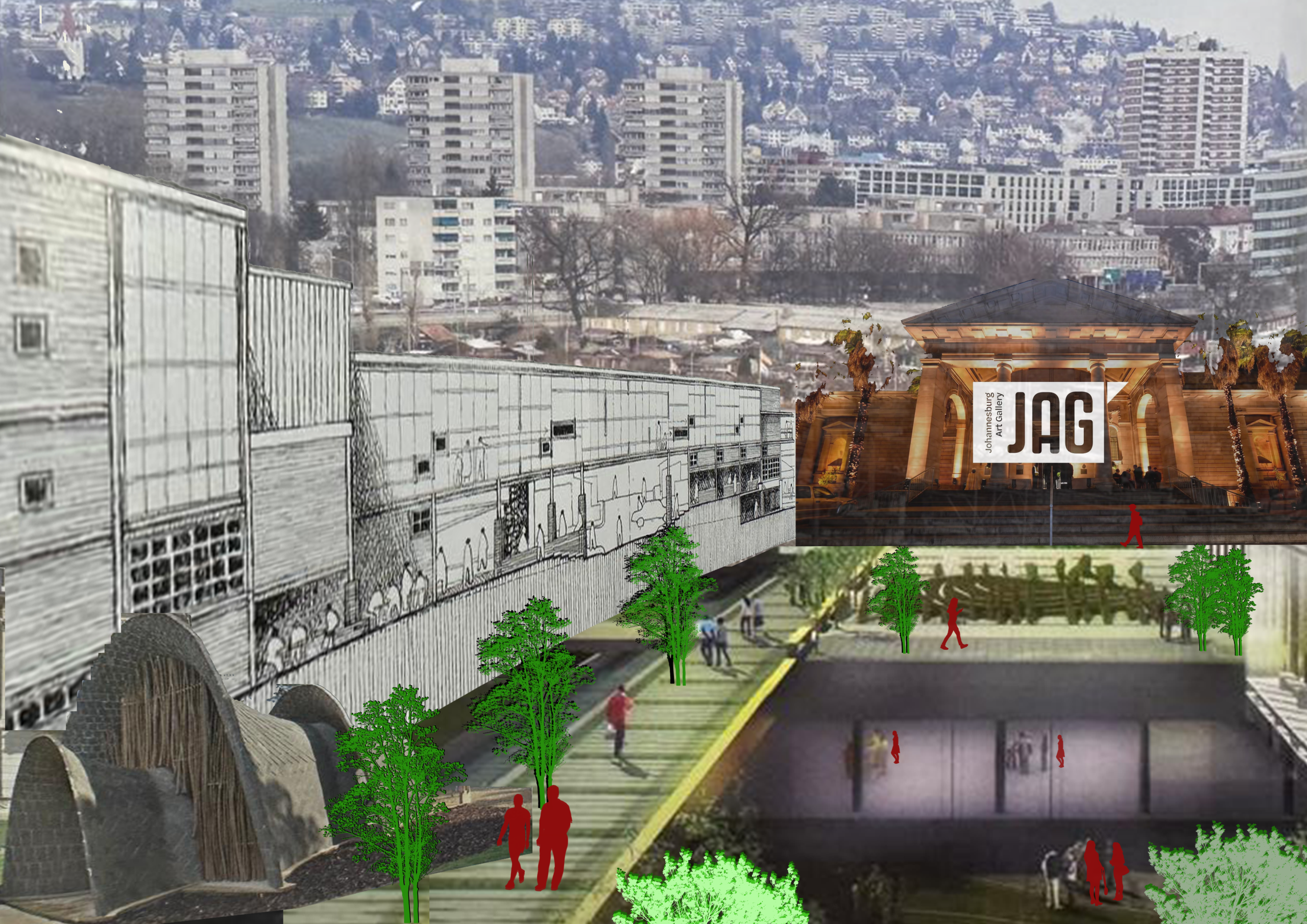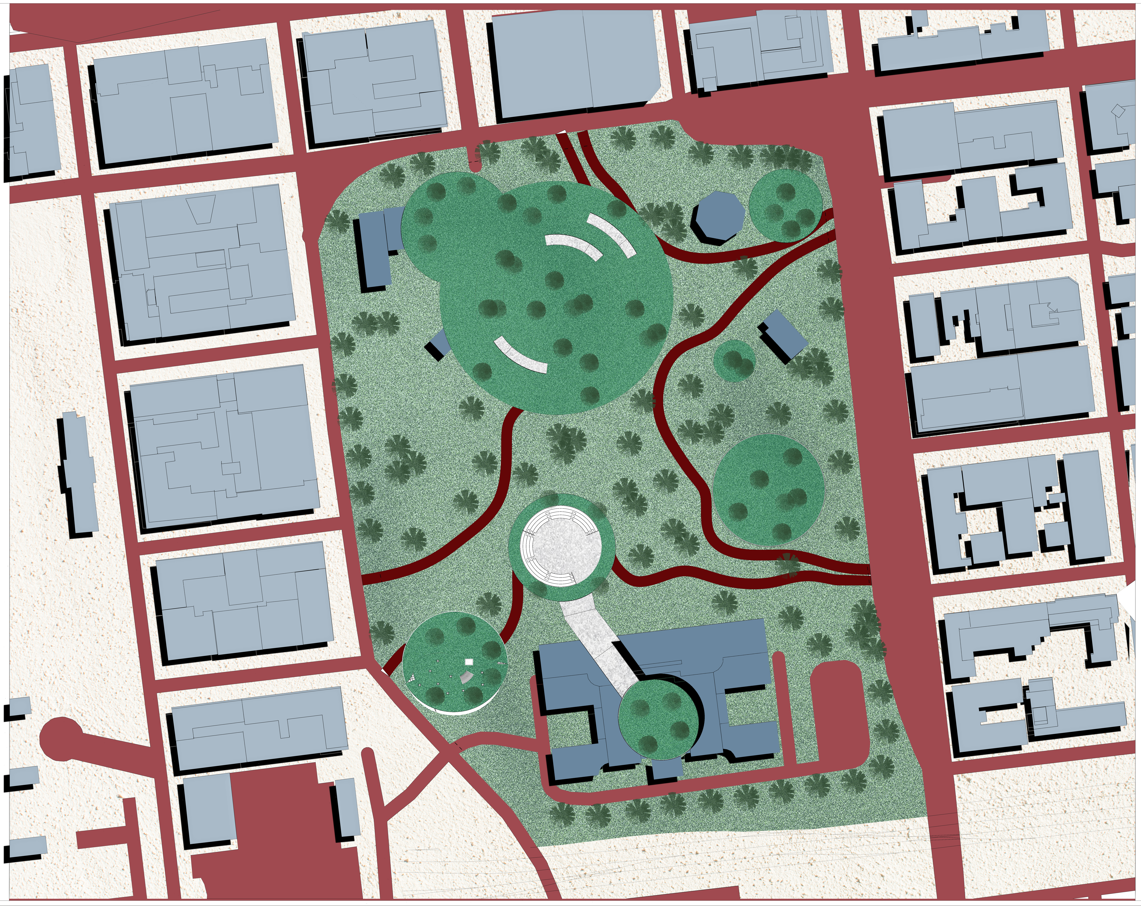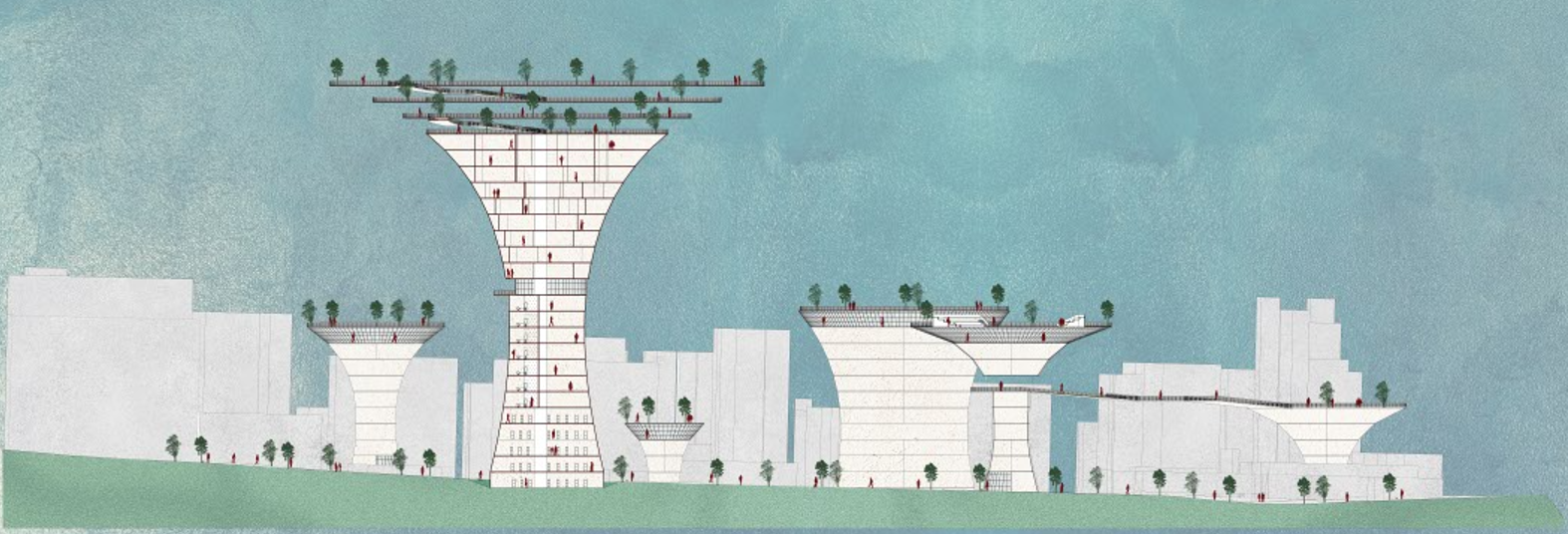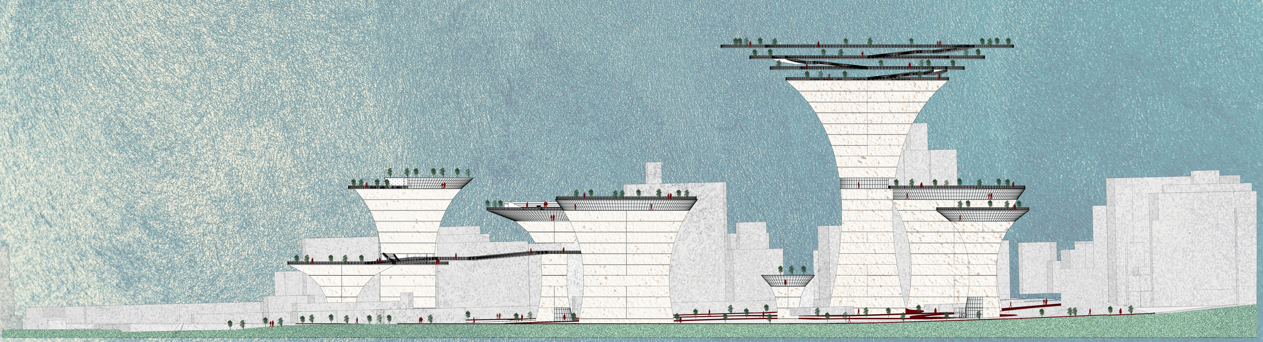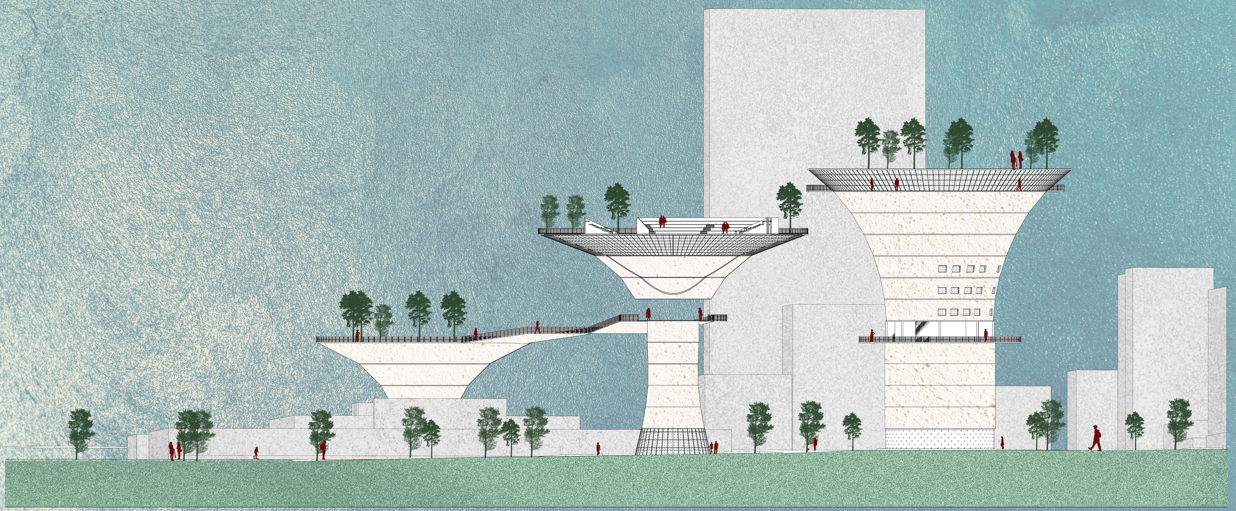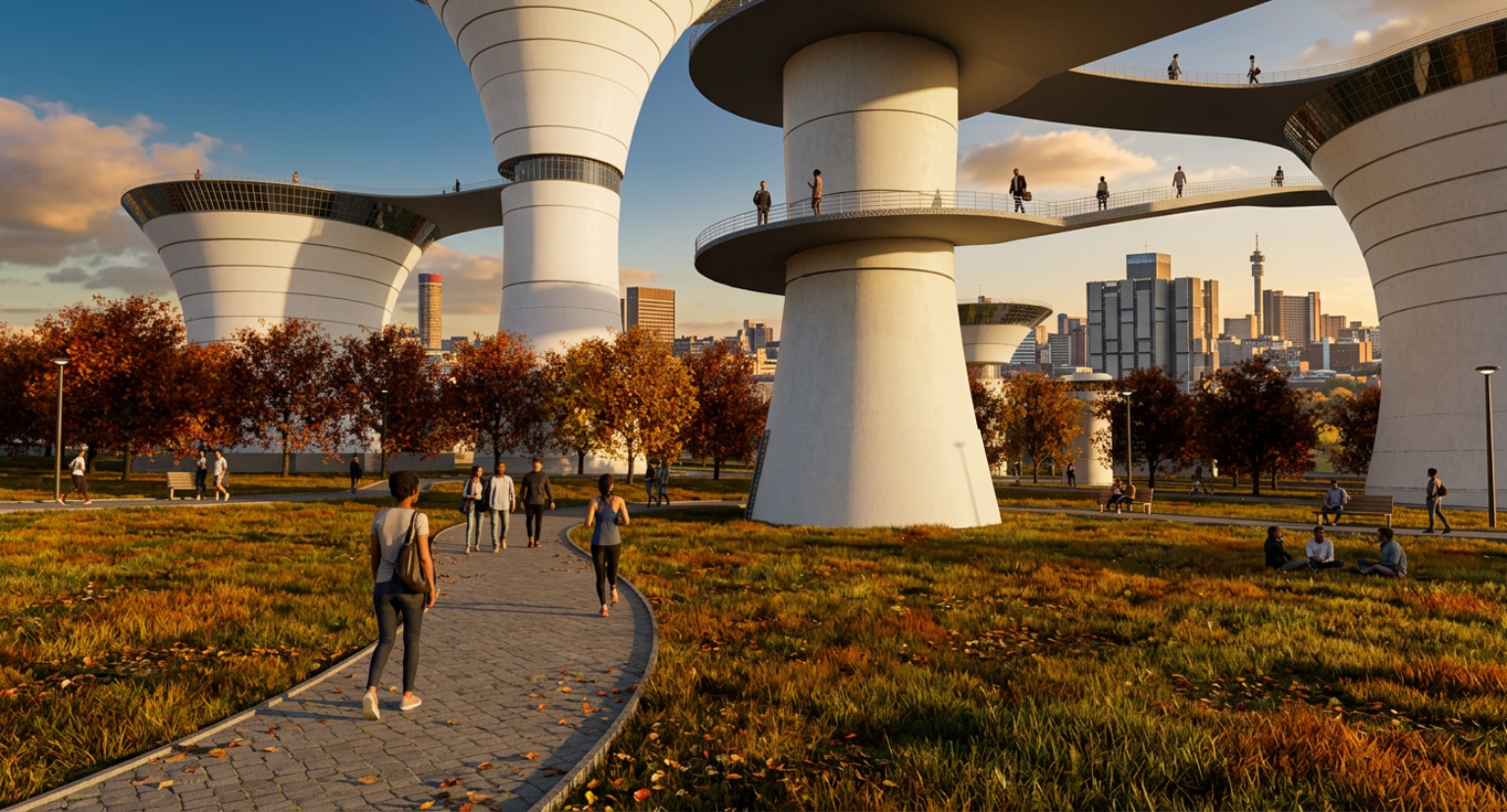
Johannesburg is home to one of the largest man-made urban forests in the world. I wanted
to expand on this idea by creating a space that celebrates and embraces the growth of this
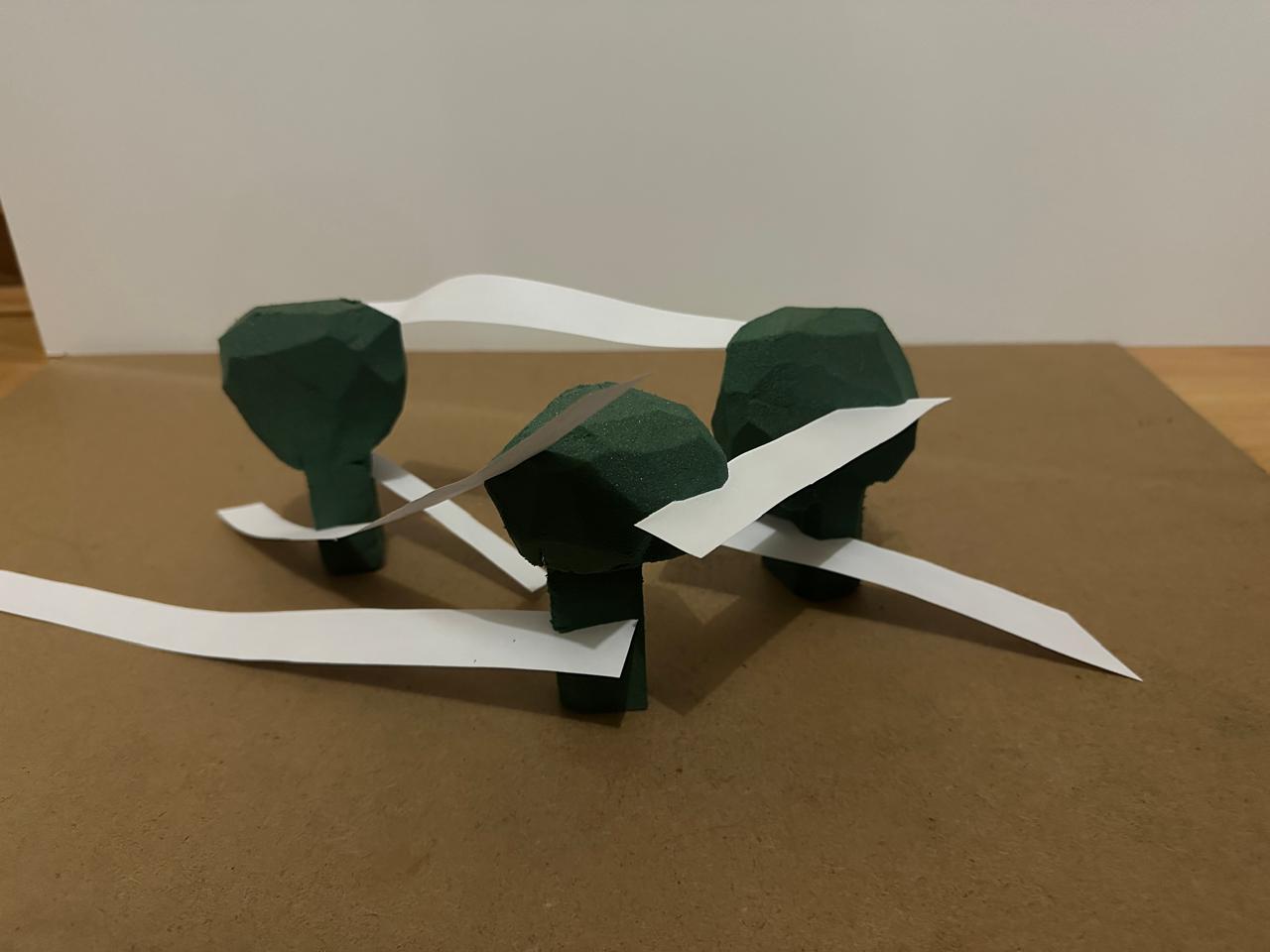
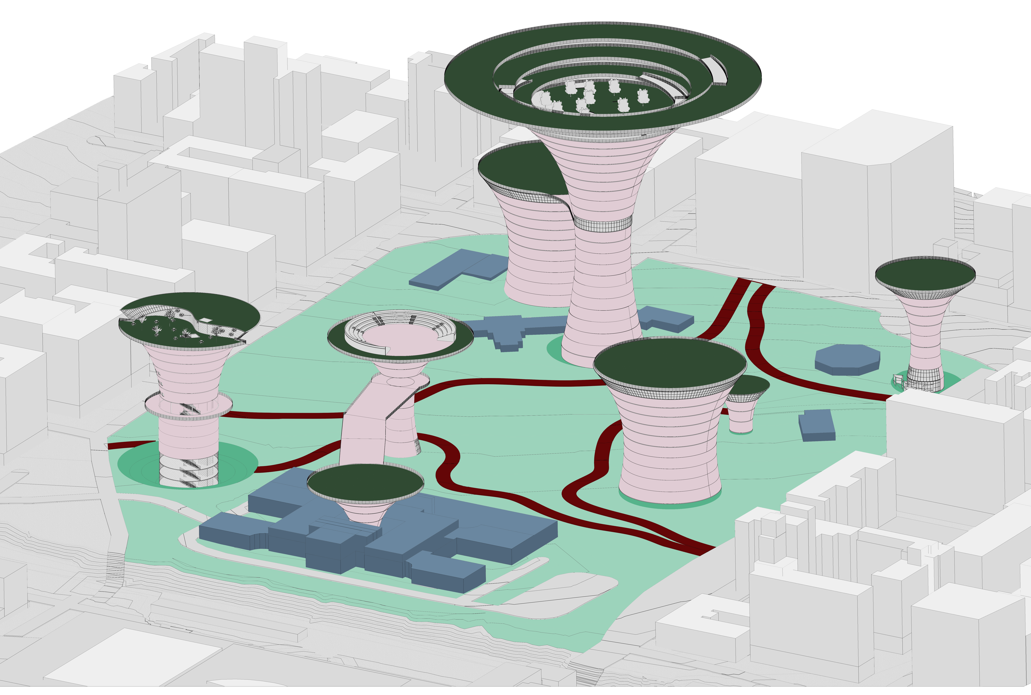
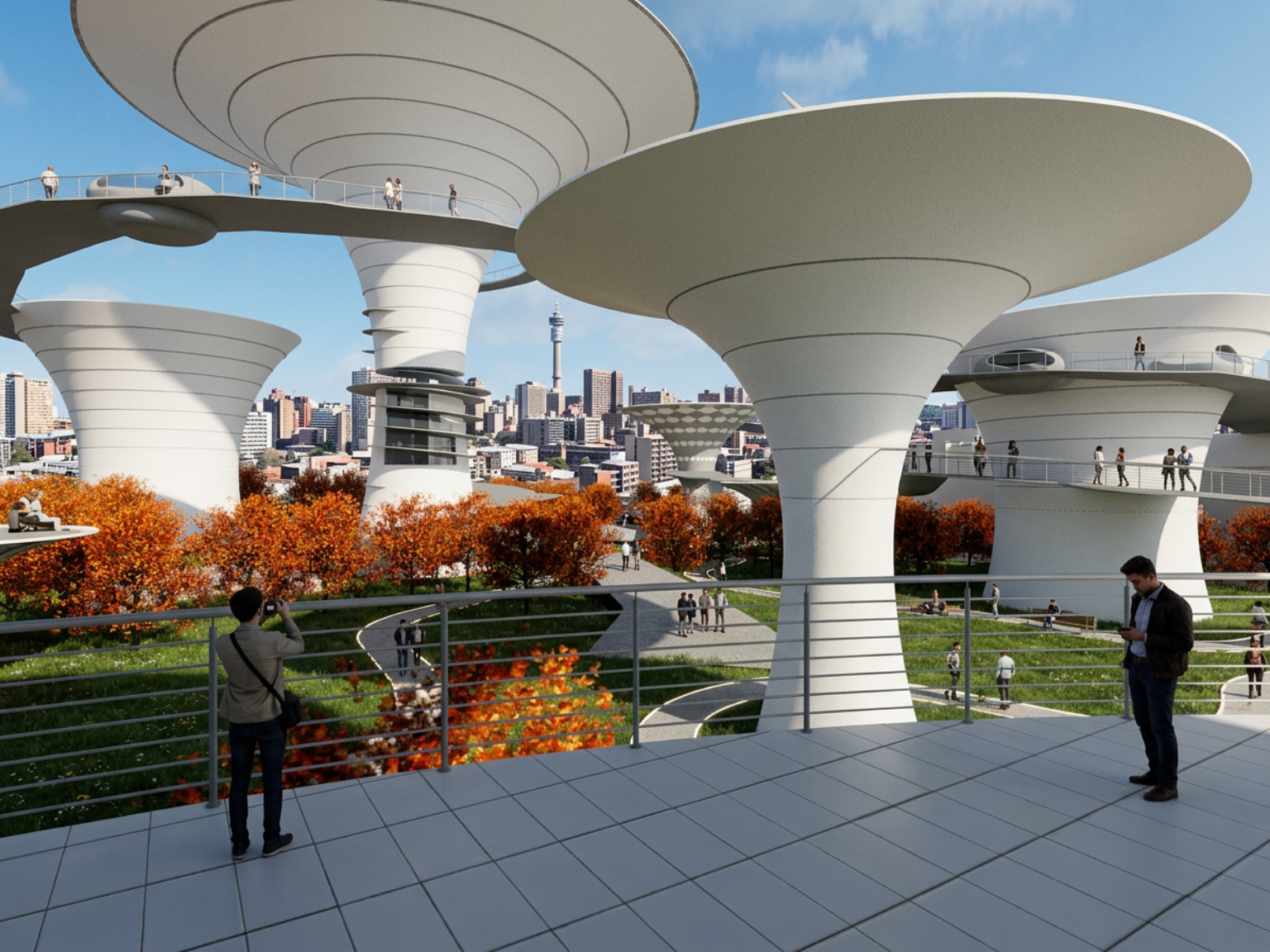
remarkable forest. My design explores speculative architecture inspired by biomimicry,
transforming buildings and skyscrapers into tree-like structures that emulate the form,
function, and ecological principles of natural forests. Rather than simply incorporating
vegetation as an aesthetic feature, the architecture itself becomes an extension of the
urban forest, supporting biodiversity and strengthening the relationship between the built
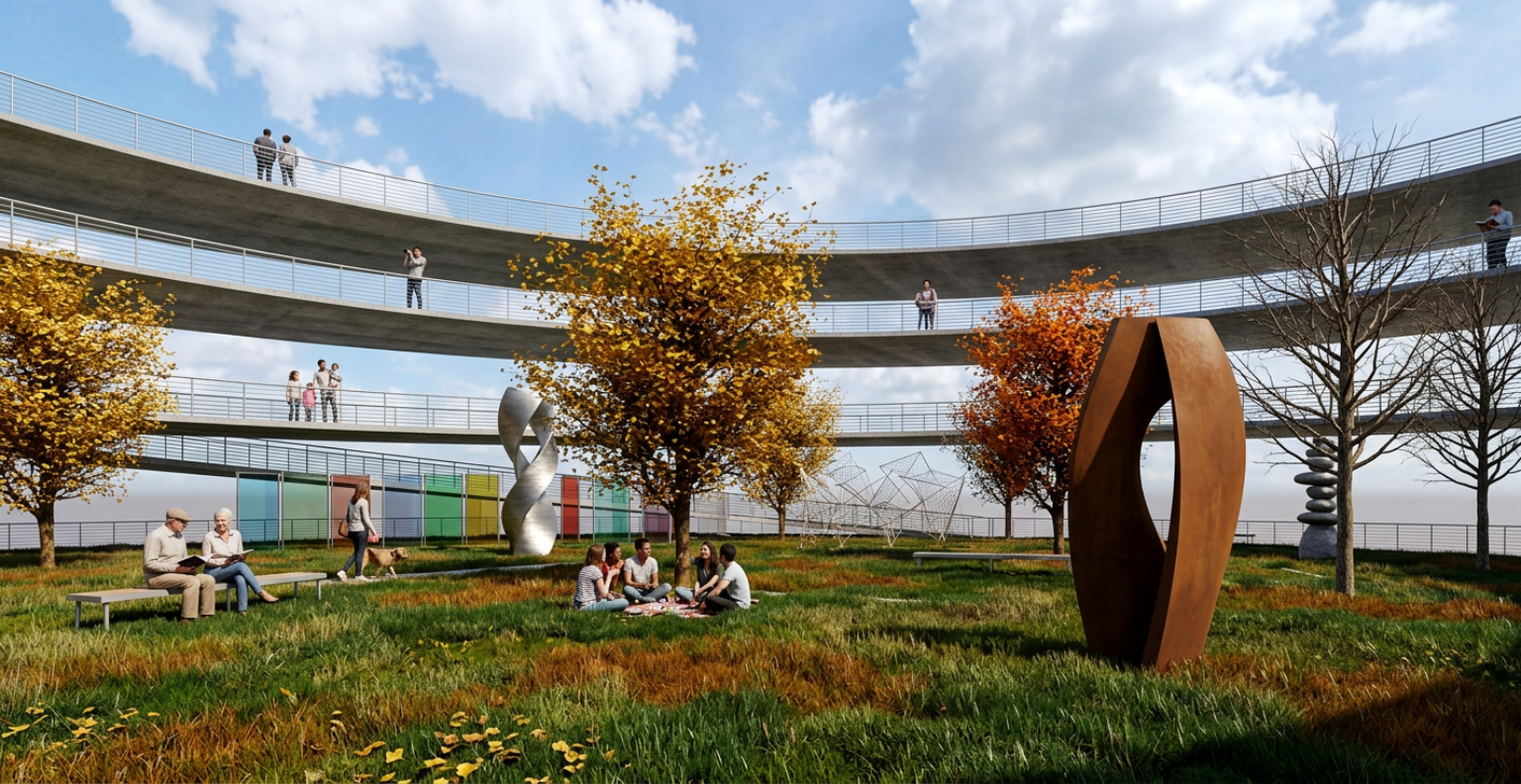
and natural environments. Natural green spaces are integrated at multiple levels
throughout the development, creating opportunities for ecological restoration, improved
environmental performance, and meaningful connections between people and nature.
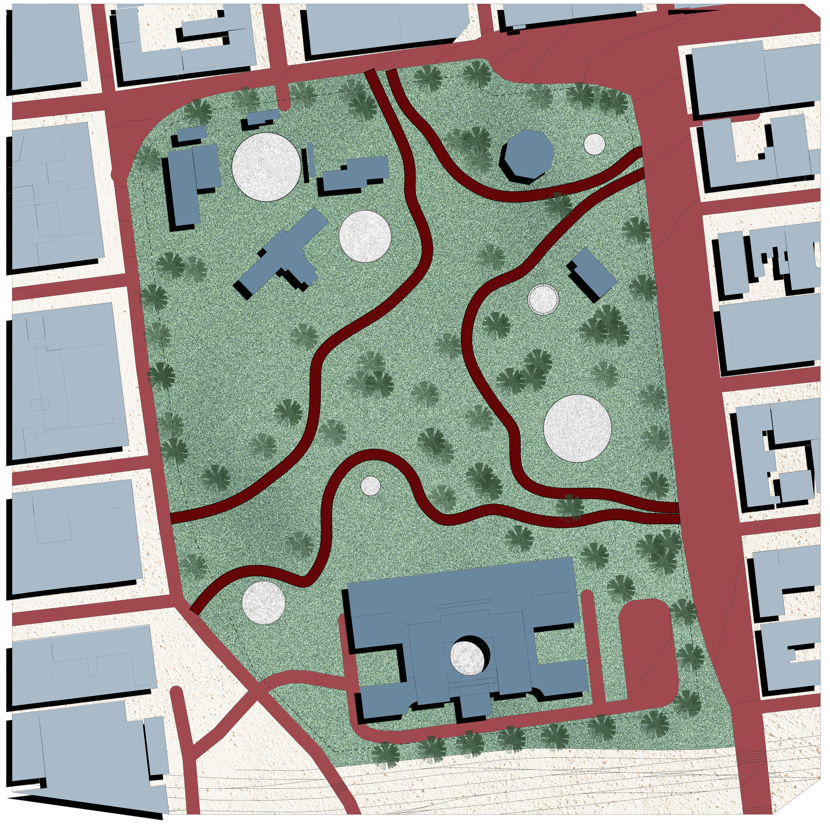
The existing Johannesburg Art Gallery houses some of the finest works created by
African artists, yet much of its collection remains in storage and cannot be
displayed simultaneously. Throughout my design, I sought not only to create the
capacity for the entire collection to be exhibited, but also to ensure that the artwork
could be experienced and appreciated by the diverse communities of Hillbrow and
Johannesburg.
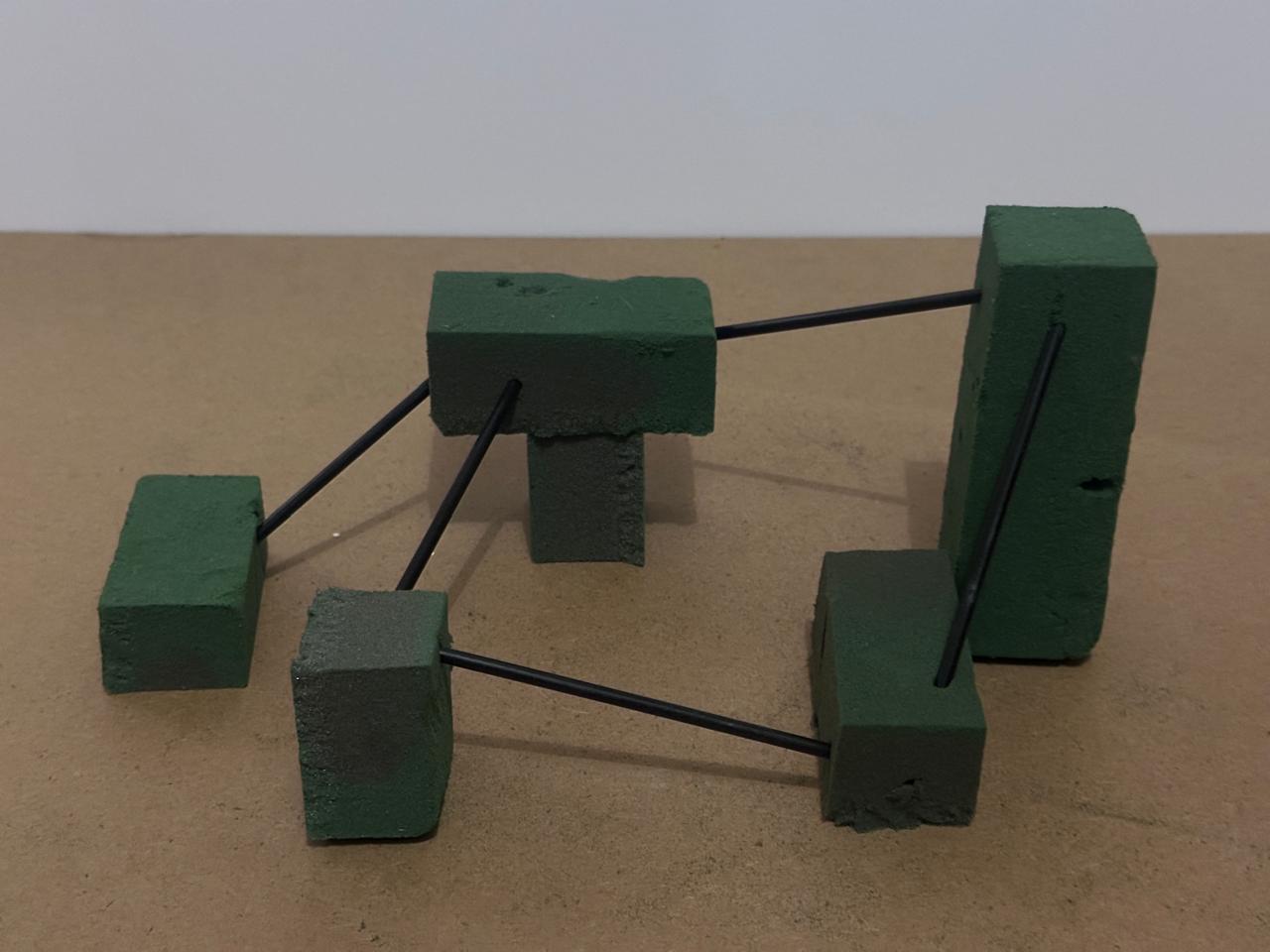
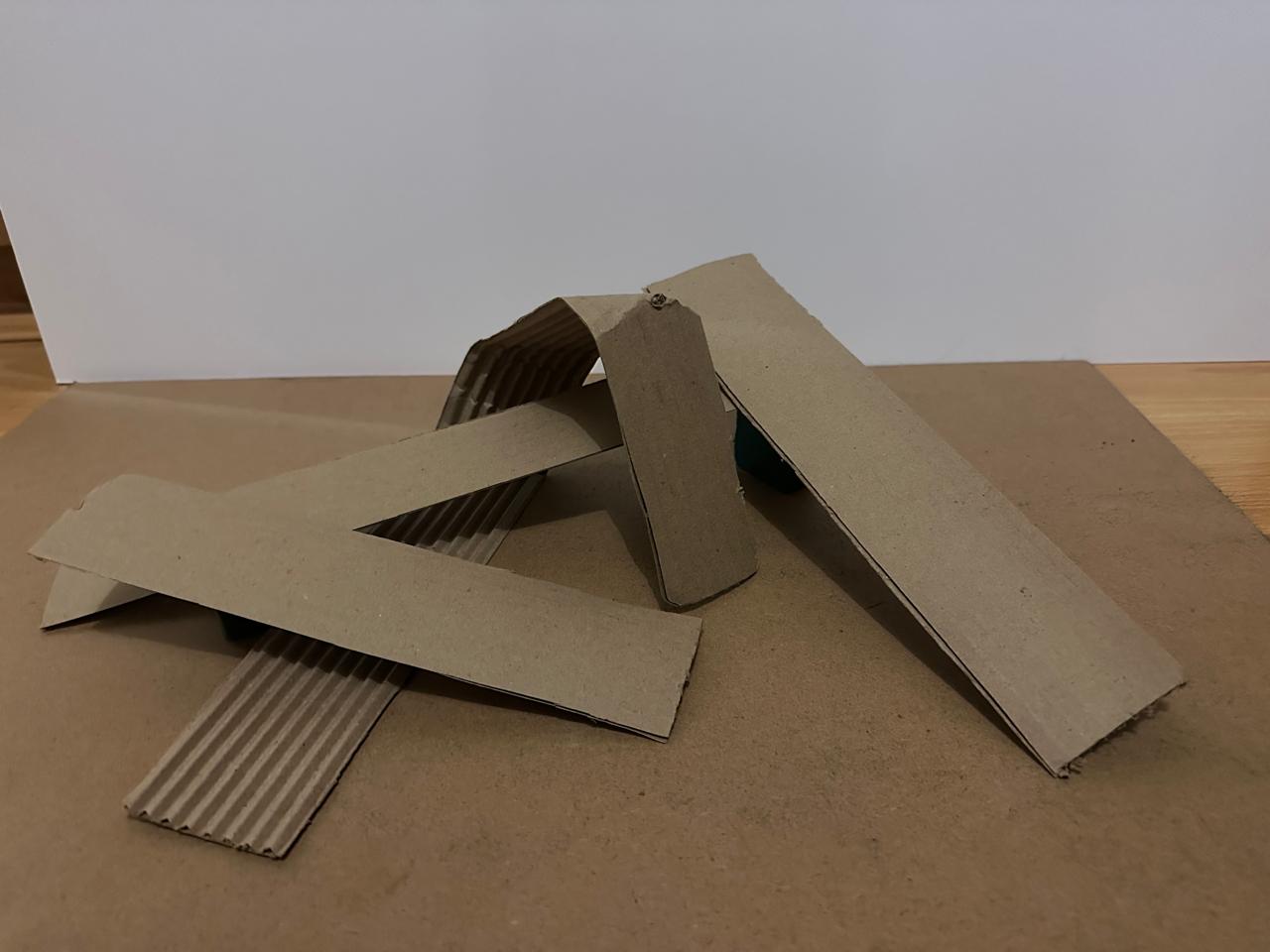
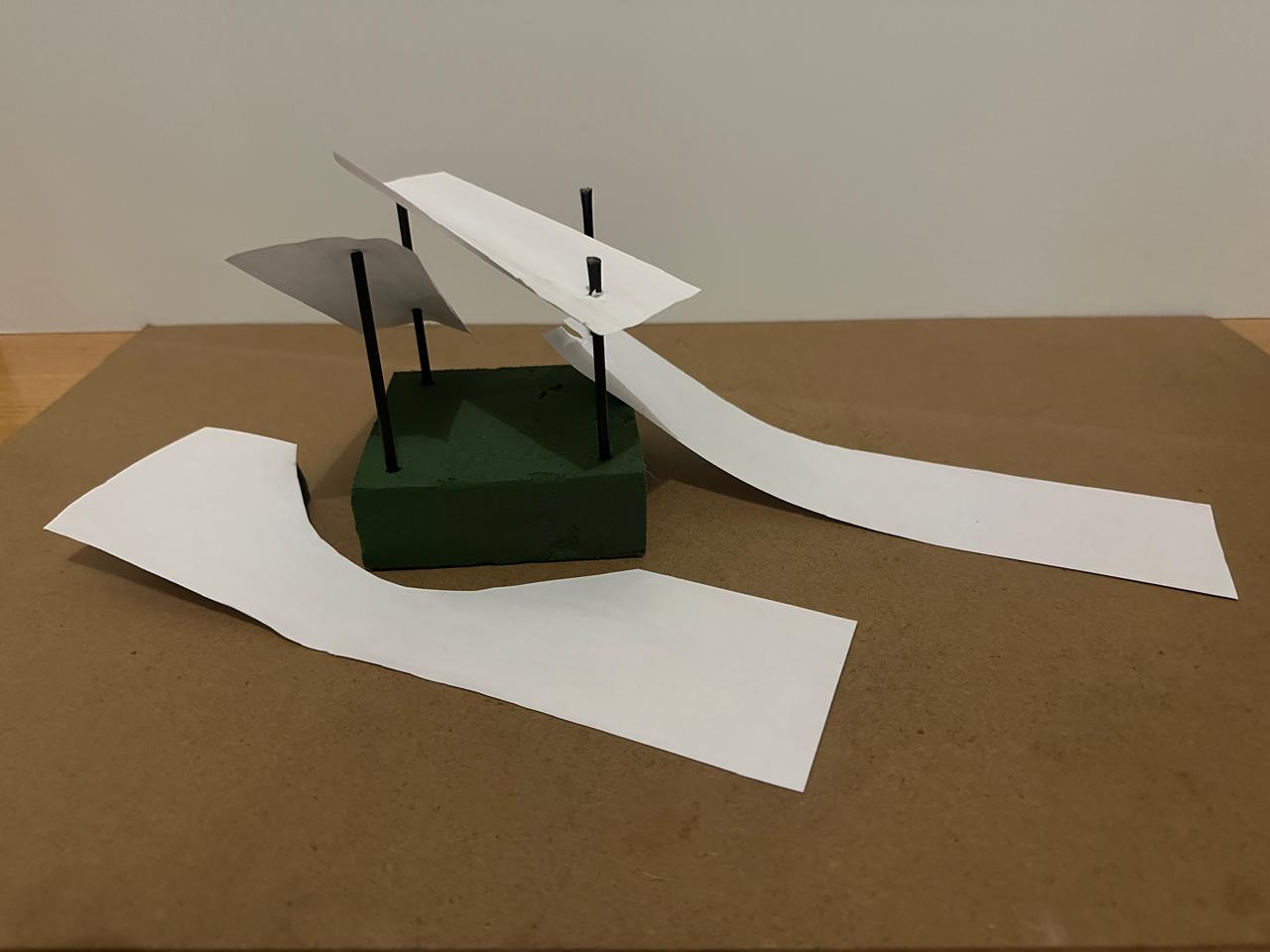
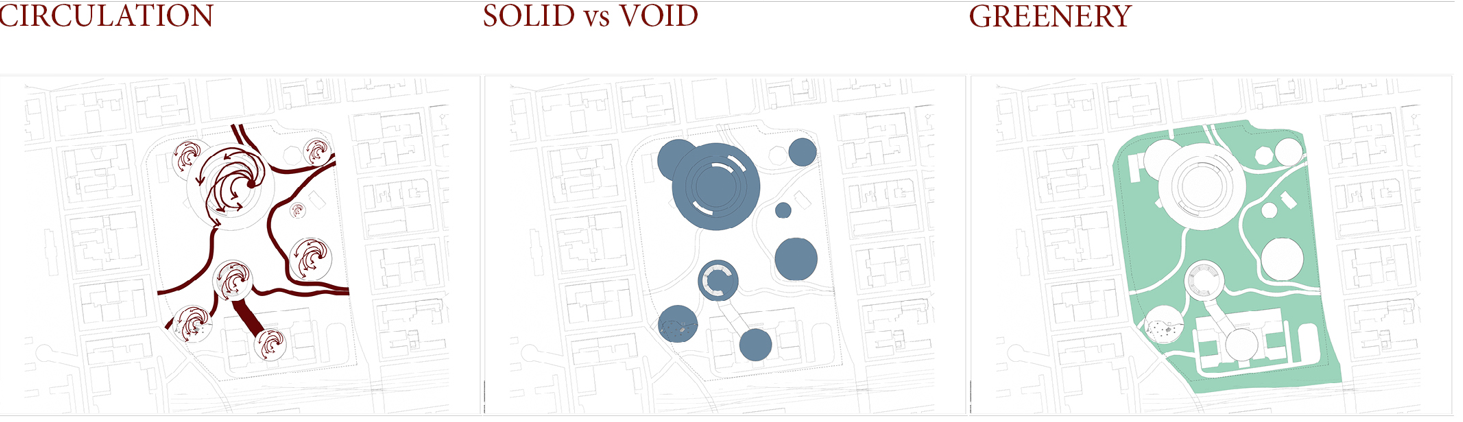
My initial design explored the concept of multiple ground floors, creating
transitional spaces that guided users through a sequence of interconnected
environments while strengthening the relationship between different programmes.
Although this approach successfully enhanced connectivity, I found that it lacked a
more personal and meaningful user experience. As a result, I shifted my focus from
the large-scale urban intervention to a more human-centred, micro-scale
approach.
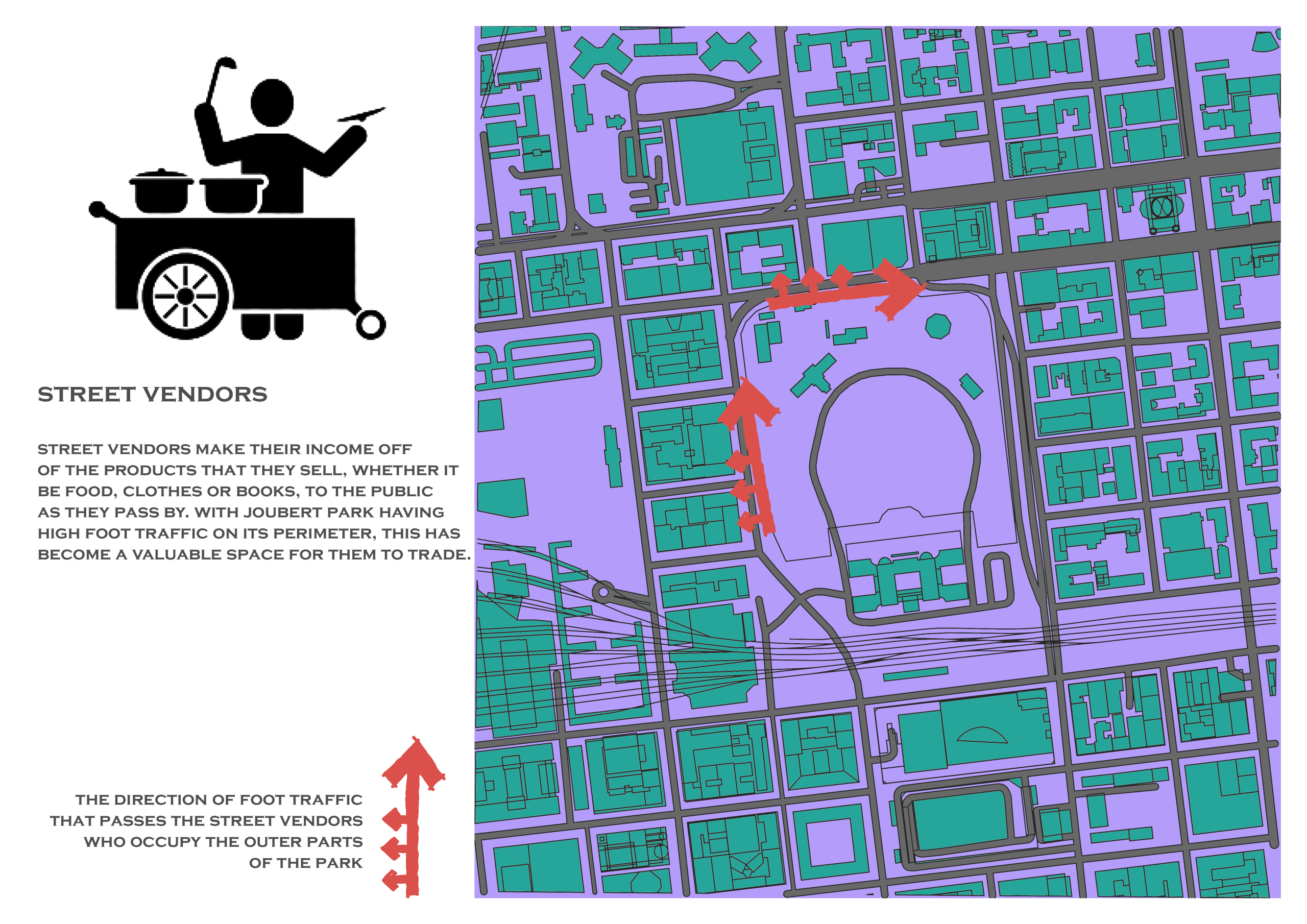
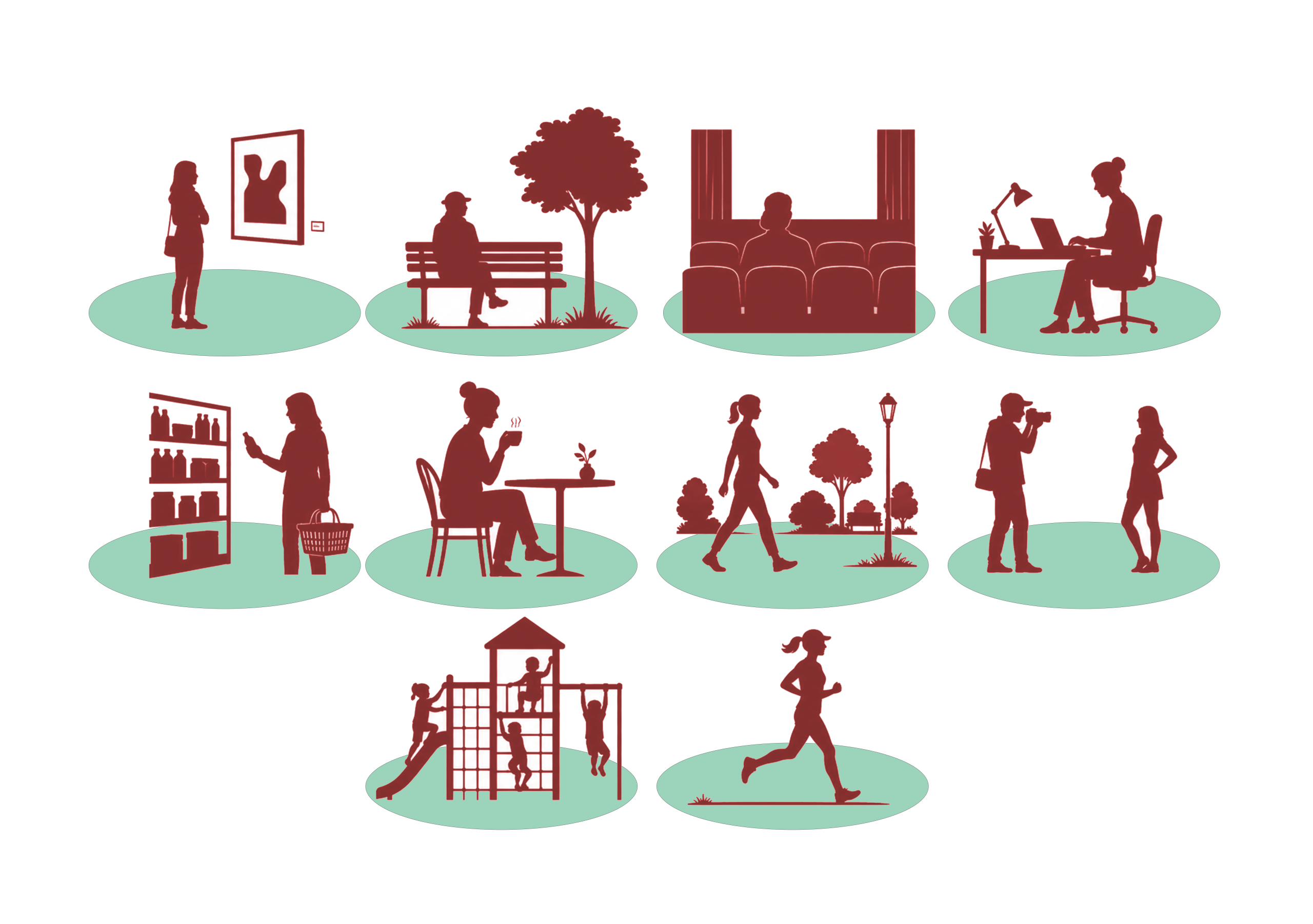
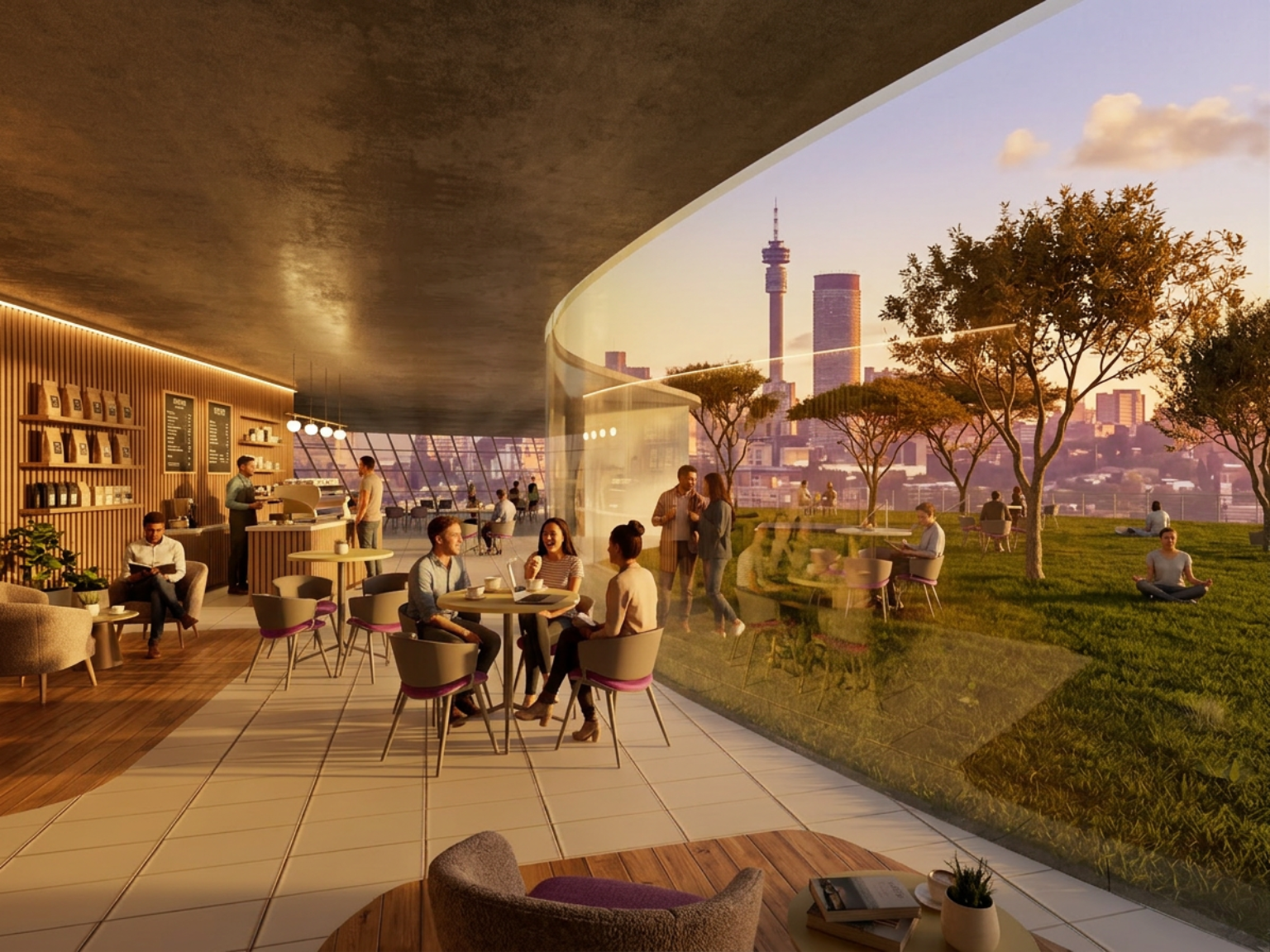
This change in direction led me to design spaces that directly respond to the needs
of the surrounding community. Dedicated areas were created for the street
vendors operating along the edges of Joubert Park, providing them with safer,
more permanent, and better-supported trading environments. Additional
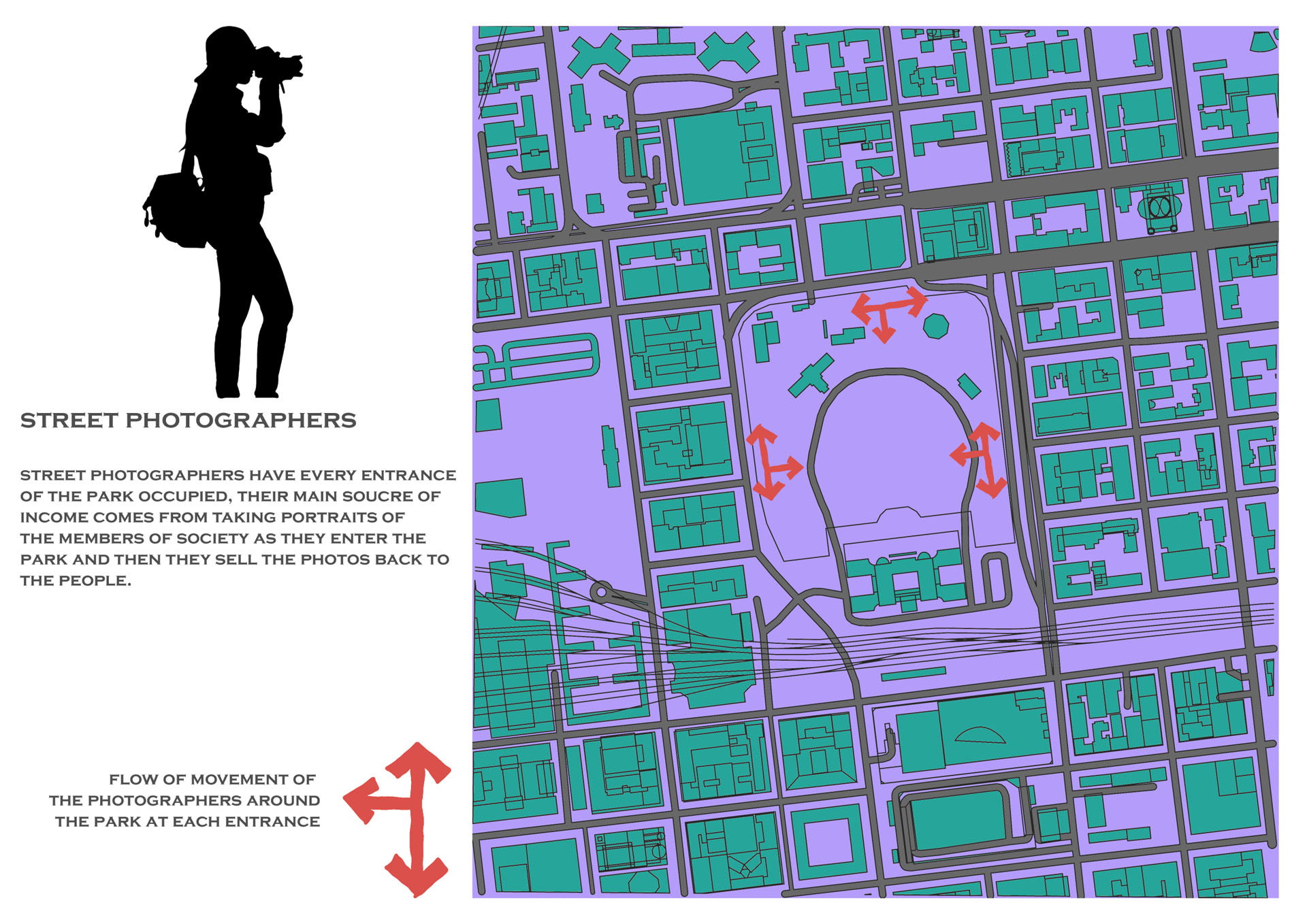
community-focused programmes include artist residences and photography
studios, fostering opportunities for creativity, collaboration, and cultural production.
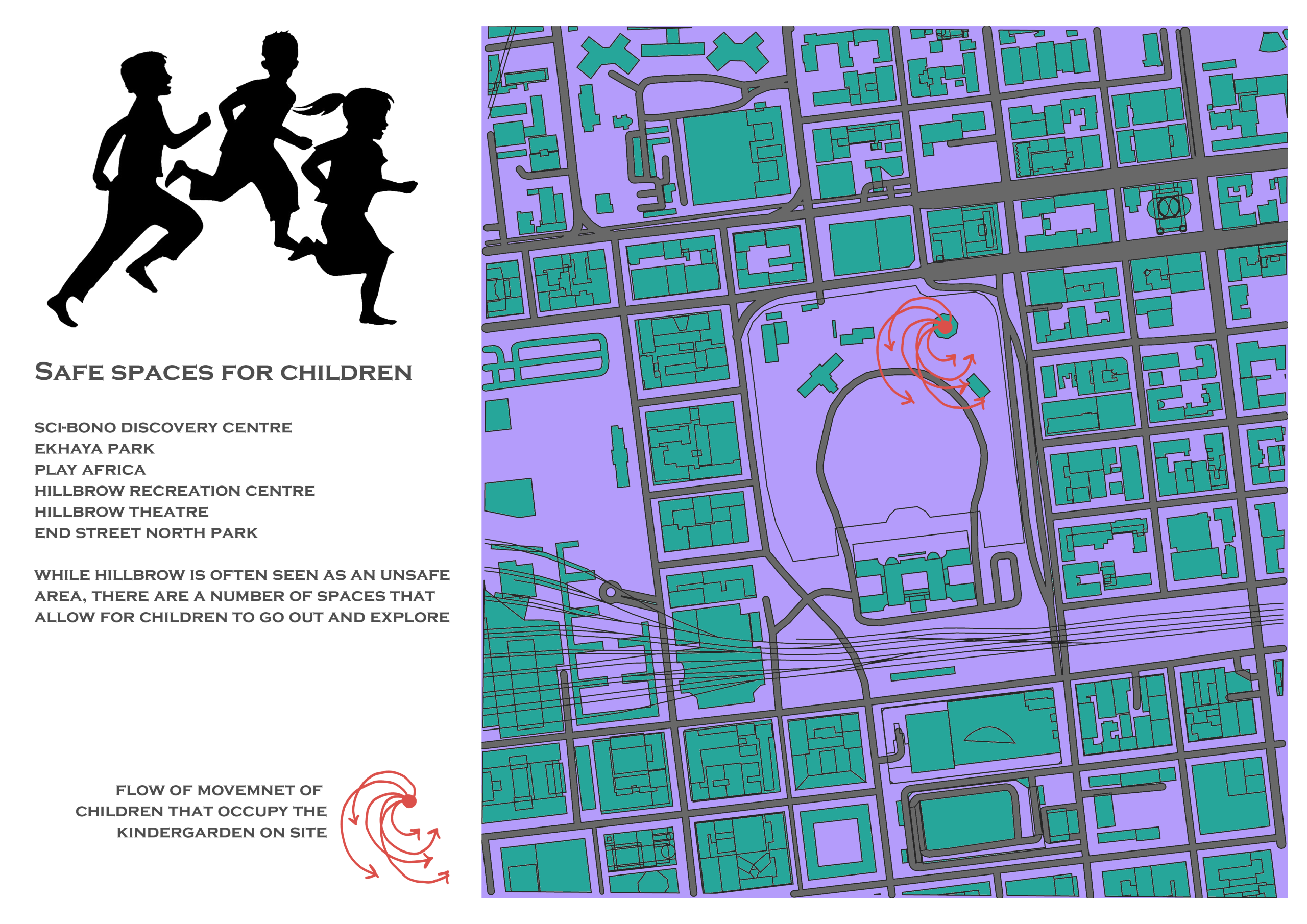
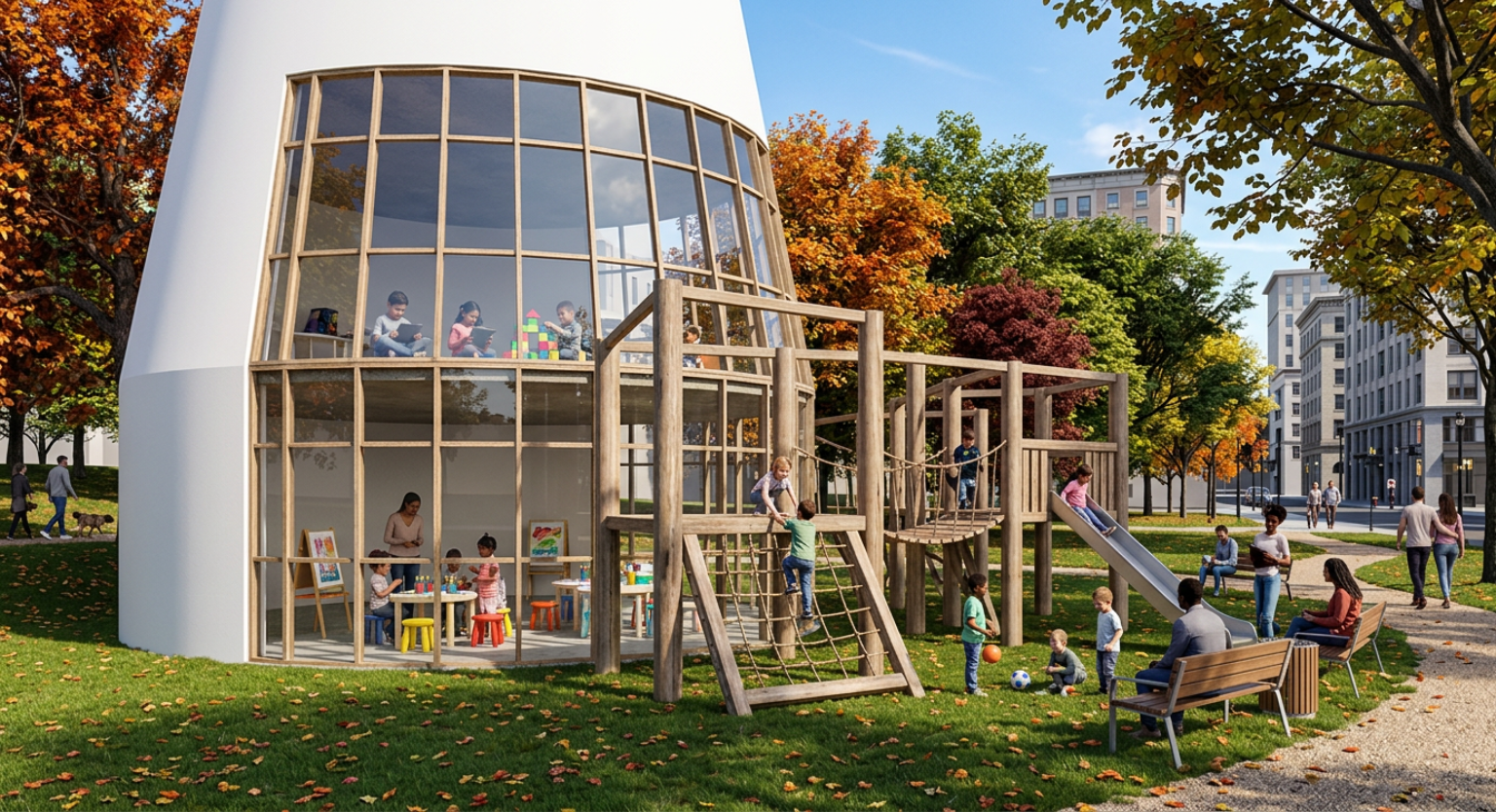
One of the most significant interventions is the children’s learning and play area.
Designed as a safe, engaging, and exploratory environment, this space
encourages creativity, discovery, and interaction through play while strengthening
the gallery’s role as an inclusive public institution that serves people of all ages.
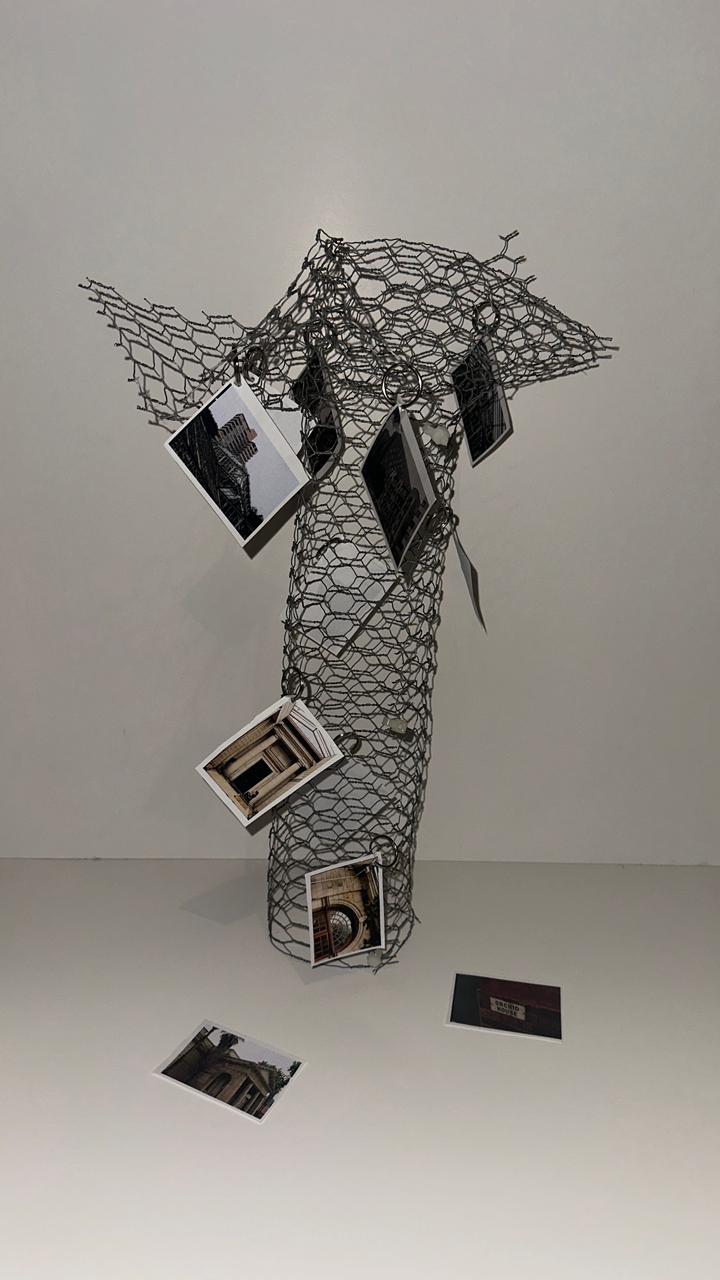
Throughout this project, my exploration of art within Johannesburg revealed a large community of artists
whose work and contributions remain underrepresented. My intention was to create architecture that not
only celebrates these artists but also supports them throughout their creative journey by providing spaces to
create, exhibit, collaborate, and engage with the public.
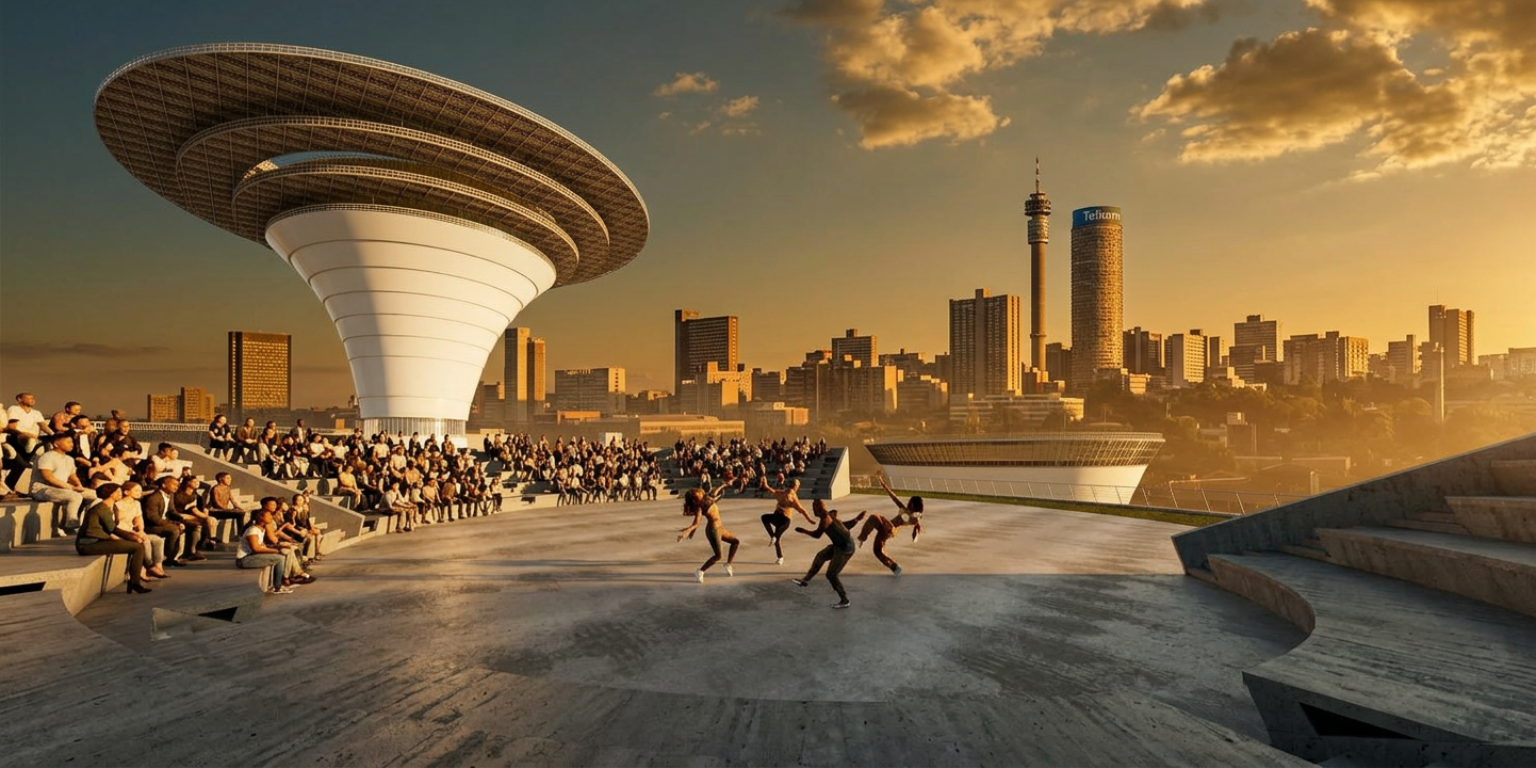
The deliberate contrast between my design and its surrounding context emphasises the need for more
cultural spaces that encourage public interaction with art in everyday life. Rather than functioning solely as a
gallery, the building becomes an active platform for artistic expression, community engagement, and
cultural exchange. By making art more visible and accessible, the project aims to strengthen the
relationship between artists, the public, and the city, reinforcing the importance of creativity as an essential
part of Johannesburg’s urban identity.