UJ DOA Architecture - THIRD YEAR DEGREE
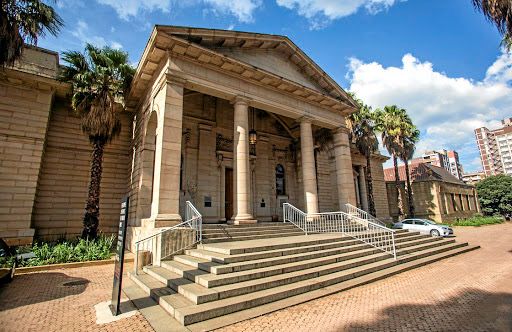
This project required the reimagining of the Johannesburg Art Gallery (JAG) as a contemporary cultural institution that responds to the social, historical, and urban conditions of its context. Working in collaboration with heritage conservation principles, the brief challenged students to critically engage with the existing building while proposing a future vision that respects its significance without limiting architectural innovation.
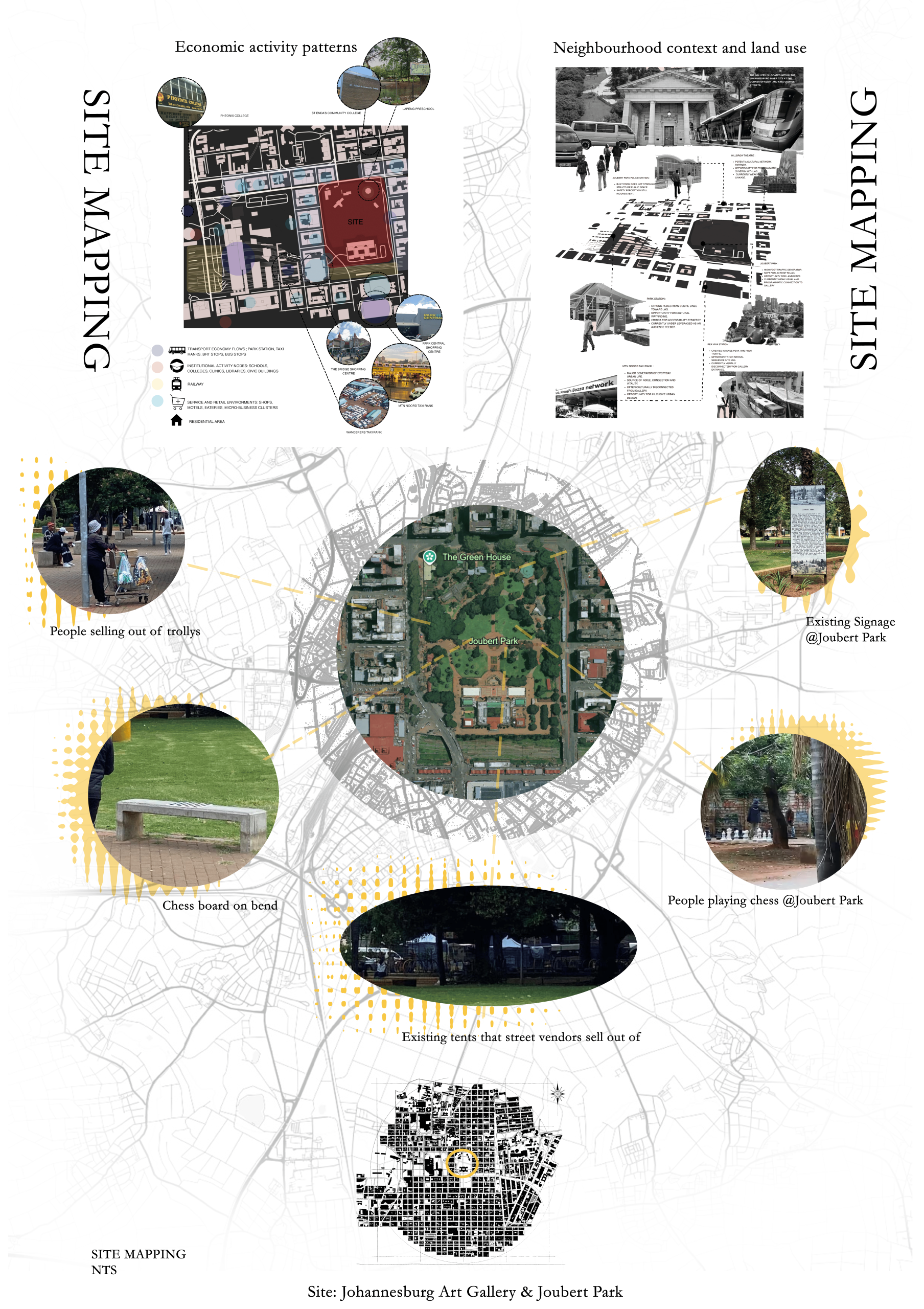
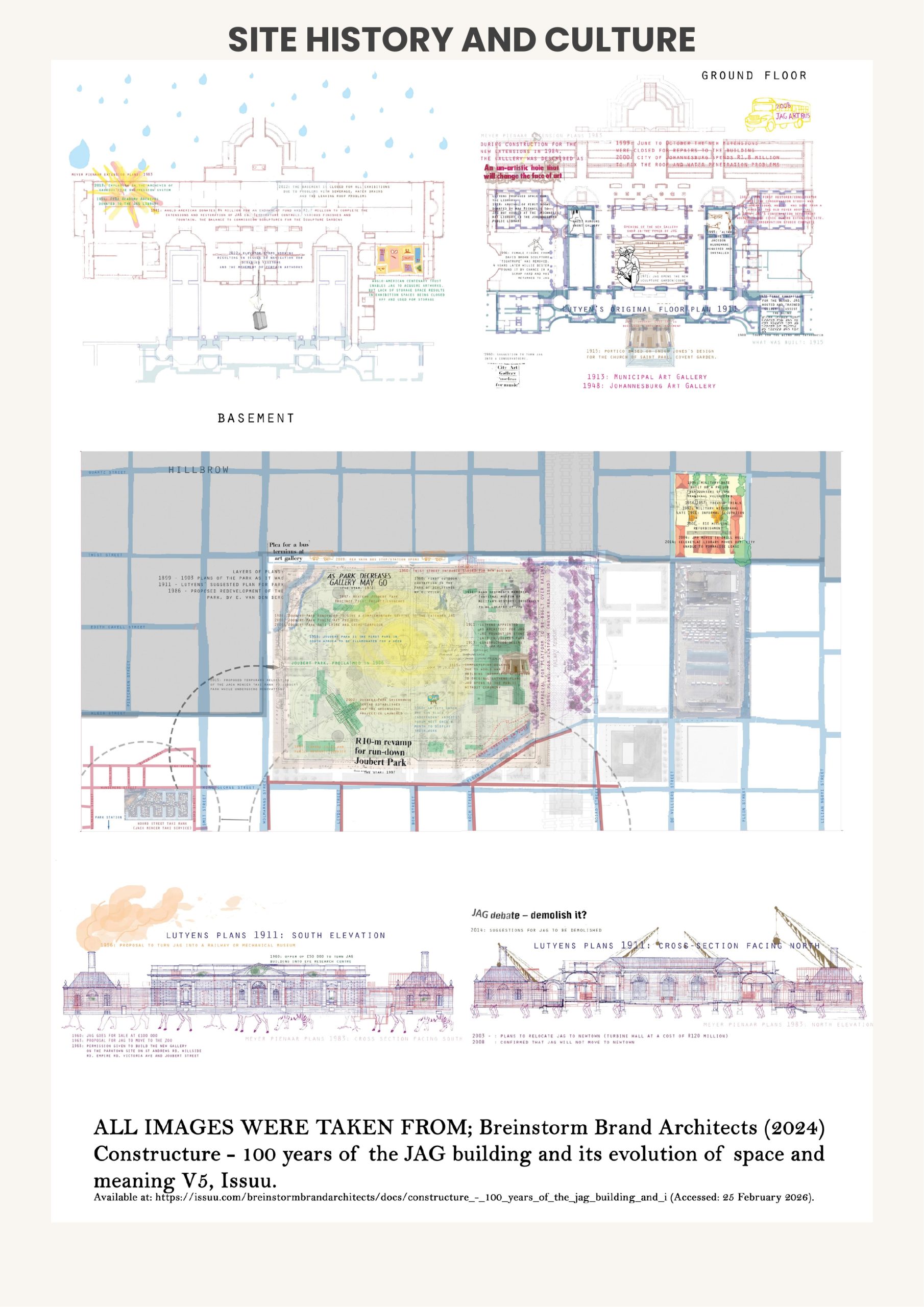
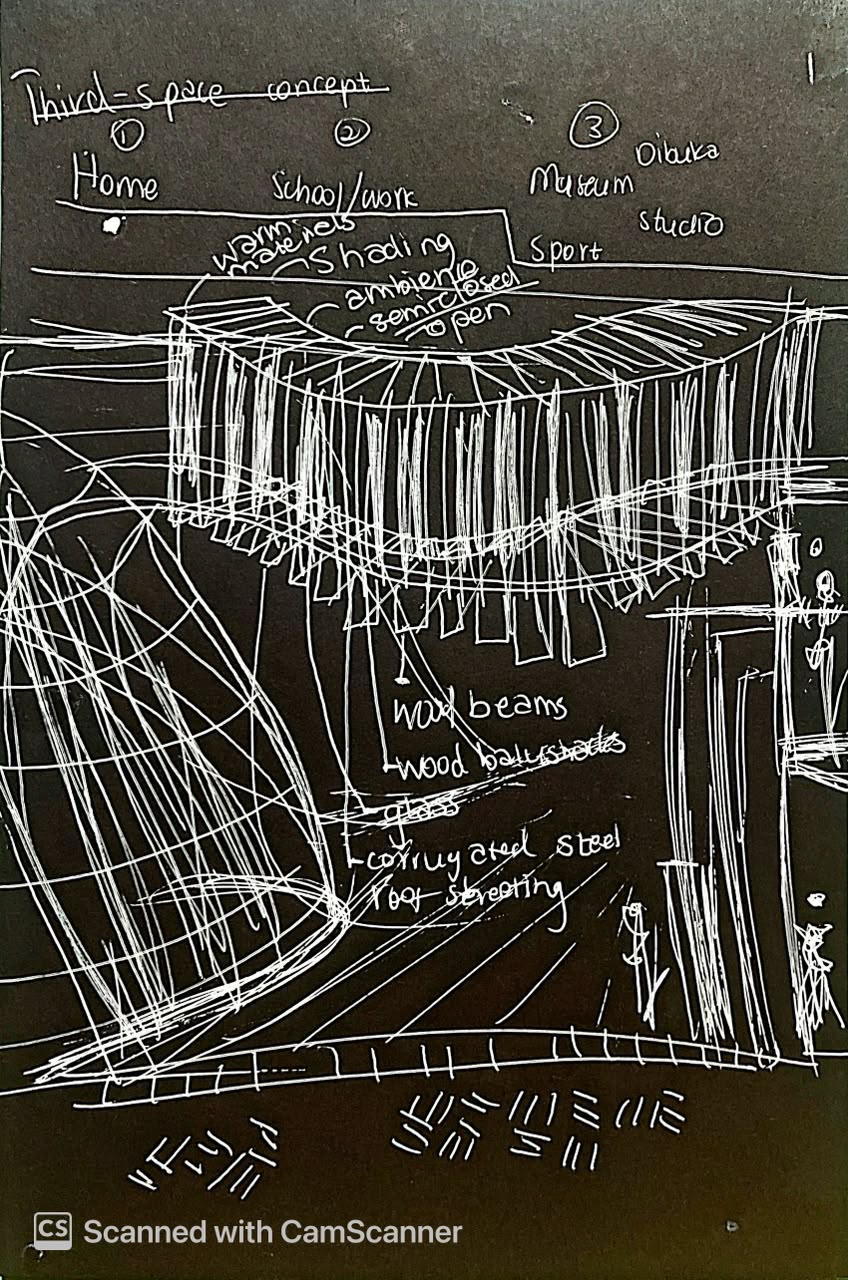
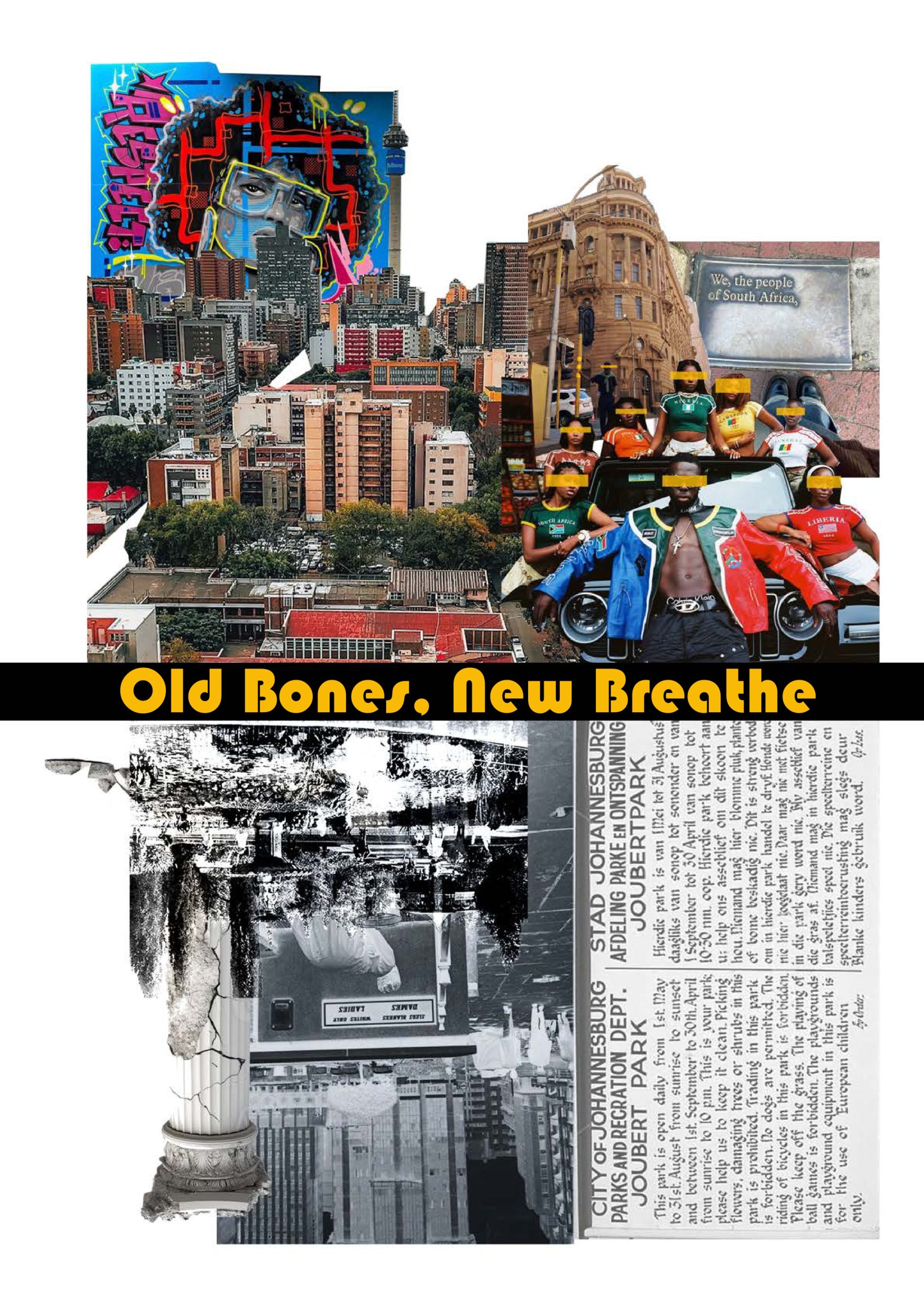
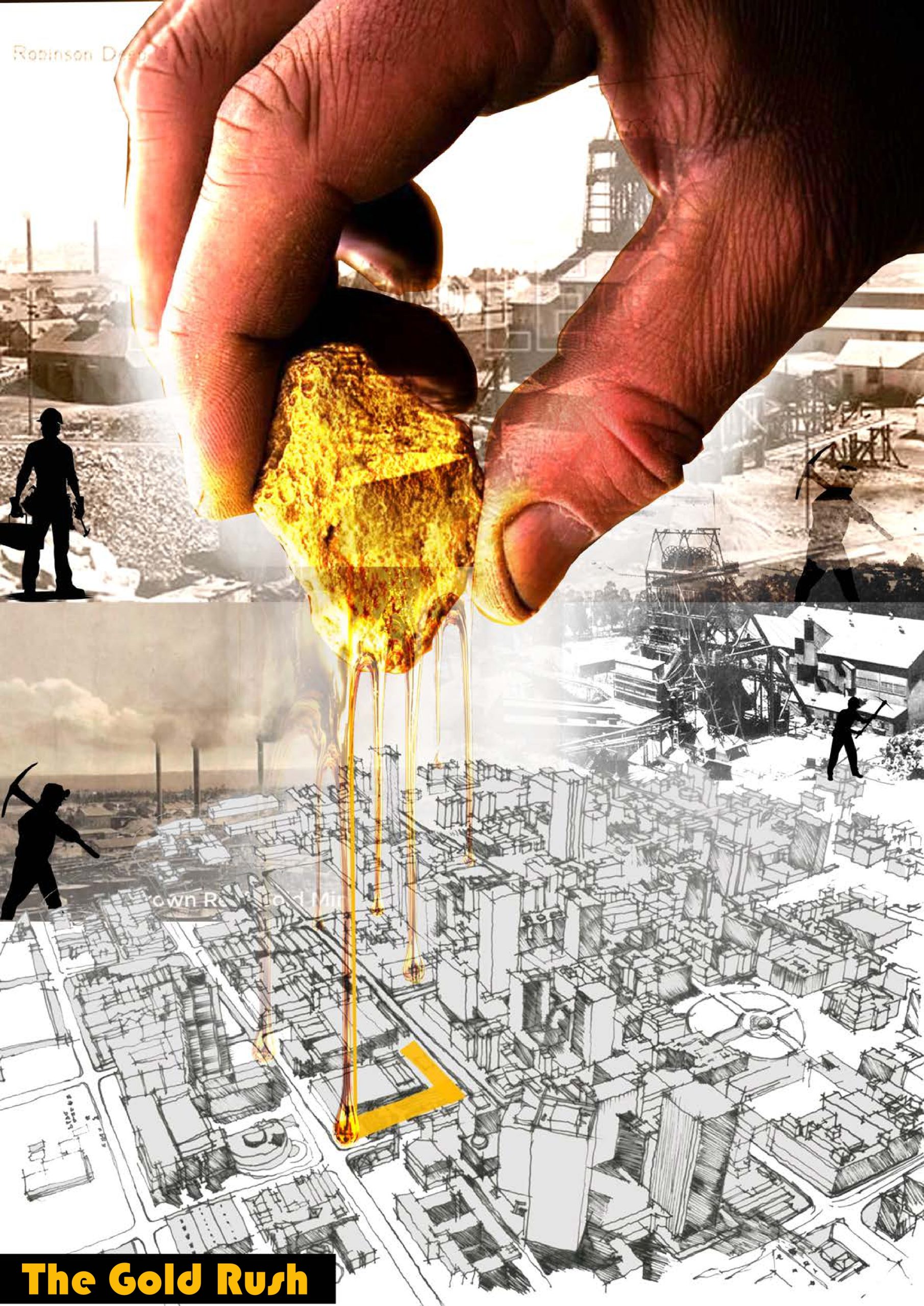
Situated within Joubert Park in the heart of Johannesburg’s inner city, the project demanded an understanding of the site’s layered history, diverse demographics, and evolving public realm. Through research, site analysis, precedent studies, and conceptual exploration, the proposal sought to redefine the relationship between heritage, public space, and contemporary museum design. The brief encouraged an investigation into how architecture can mediate between preservation and transformation while creating meaningful connections with the surrounding community.
Ultimately, the project aimed to develop a bold architectural response that celebrates art, strengthens civic engagement, and contributes positively to Johannesburg’s cultural landscape by reinterpreting the role of the museum for present and future generations.
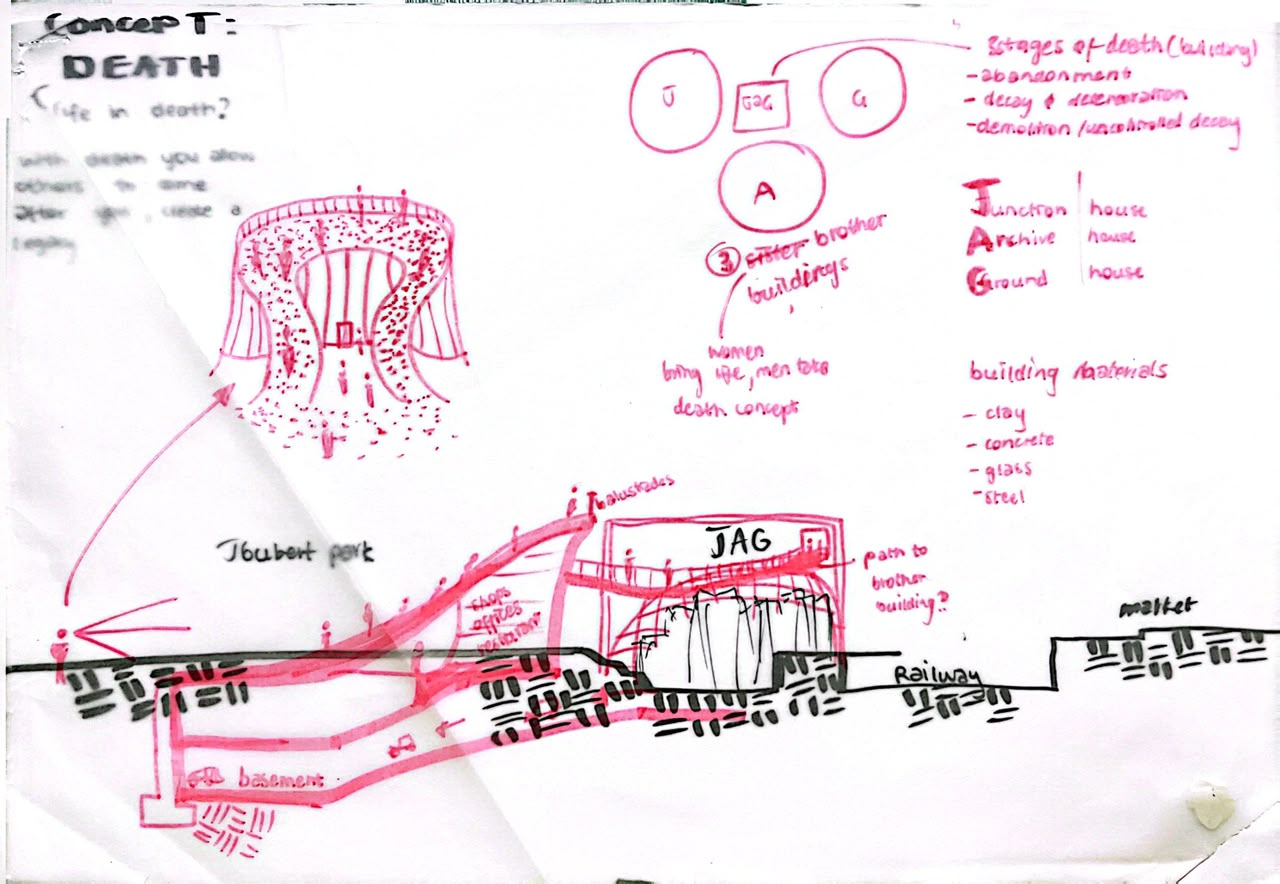
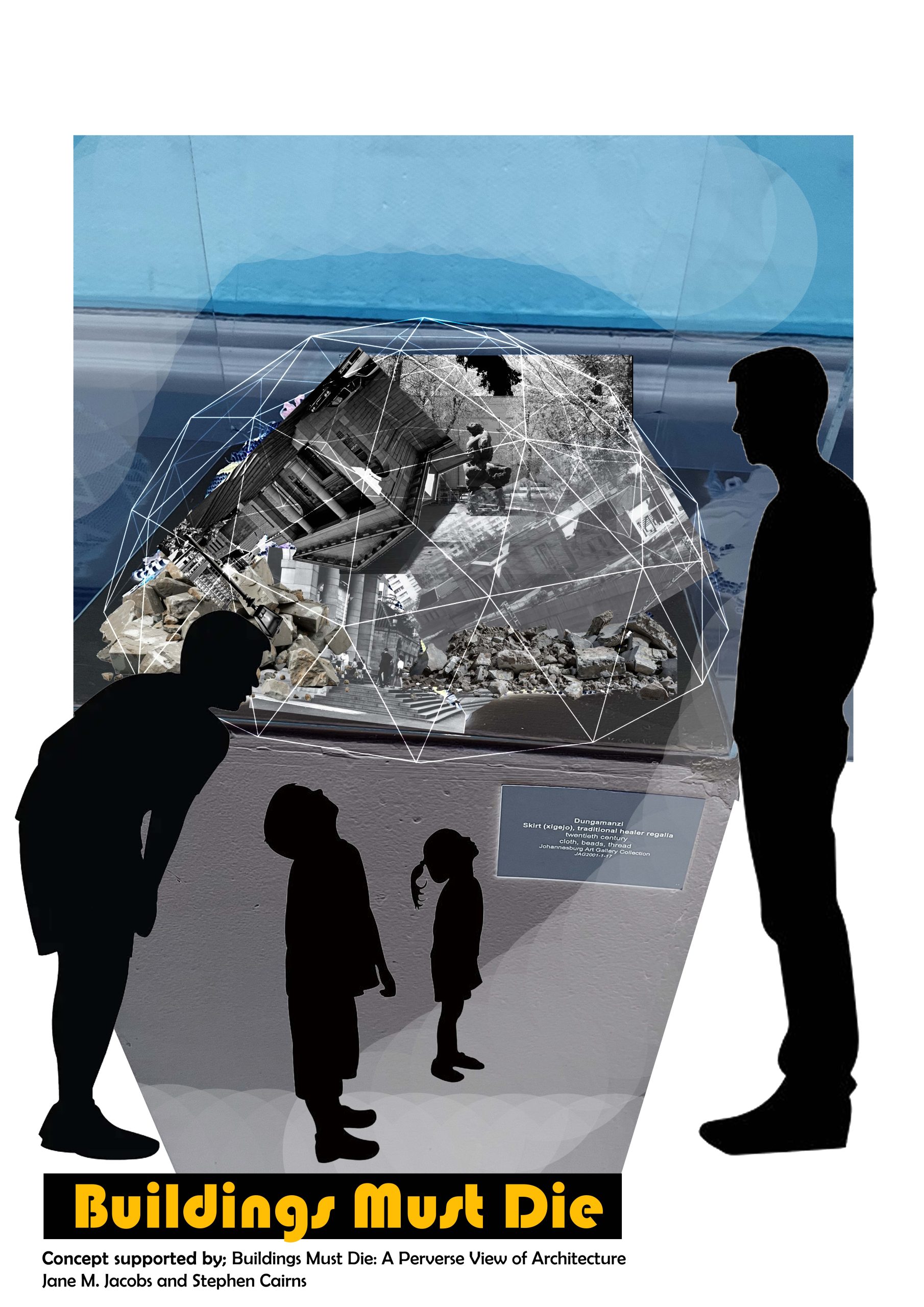
Buildings Must Die is a critical reimagining of the Johannesburg Art Gallery that questions conventional approaches to heritage conservation within a post-colonial South African context. Rather than extending or restoring the existing museum, the project explores how architecture can acknowledge history without allowing it to dictate the future. Inspired by Stephen Cairns and Jane M. Jacobs’ Buildings Must Die, the proposal argues that buildings can “die” symbolically by relinquishing their cultural authority while remaining physically present.
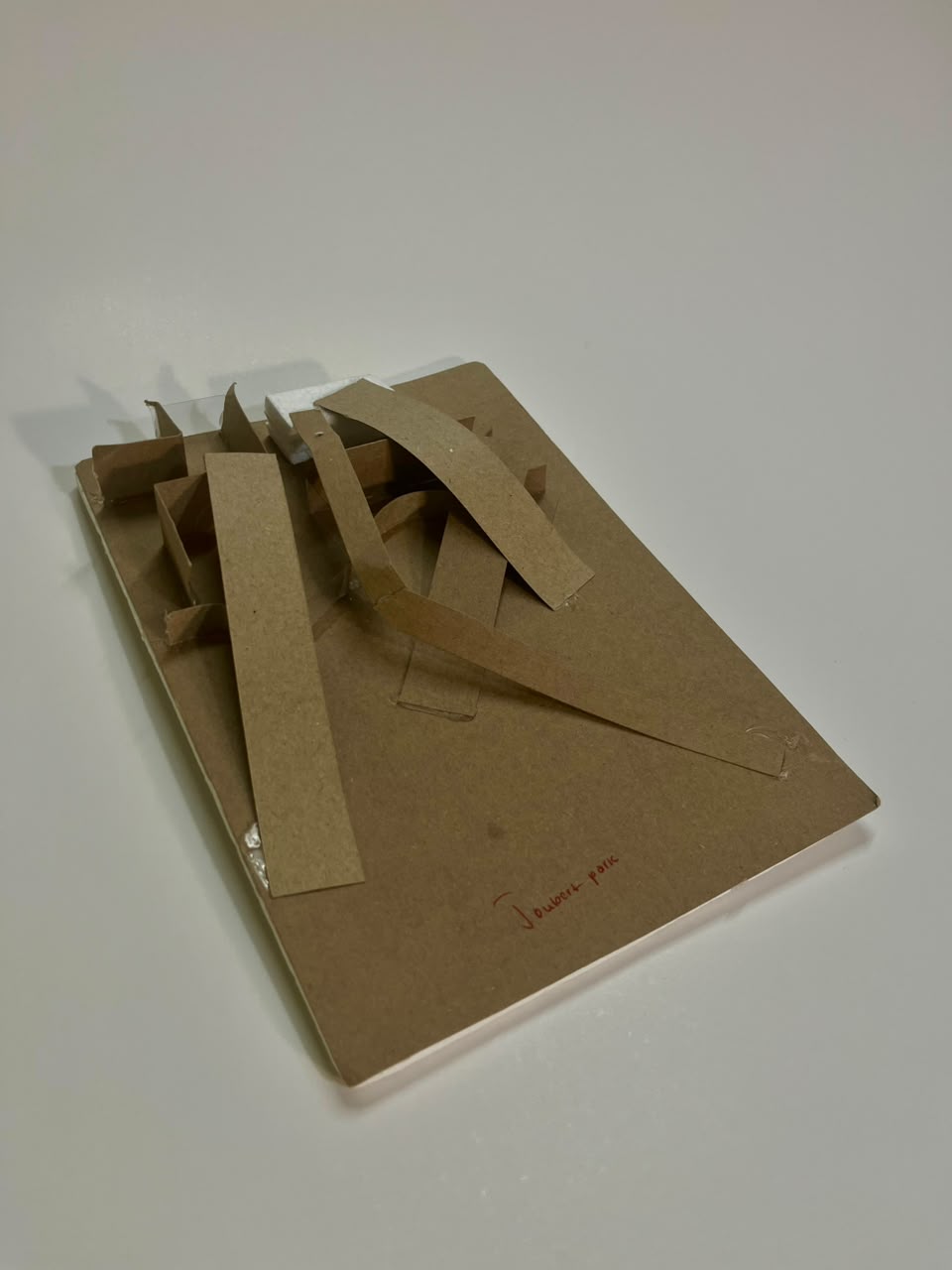
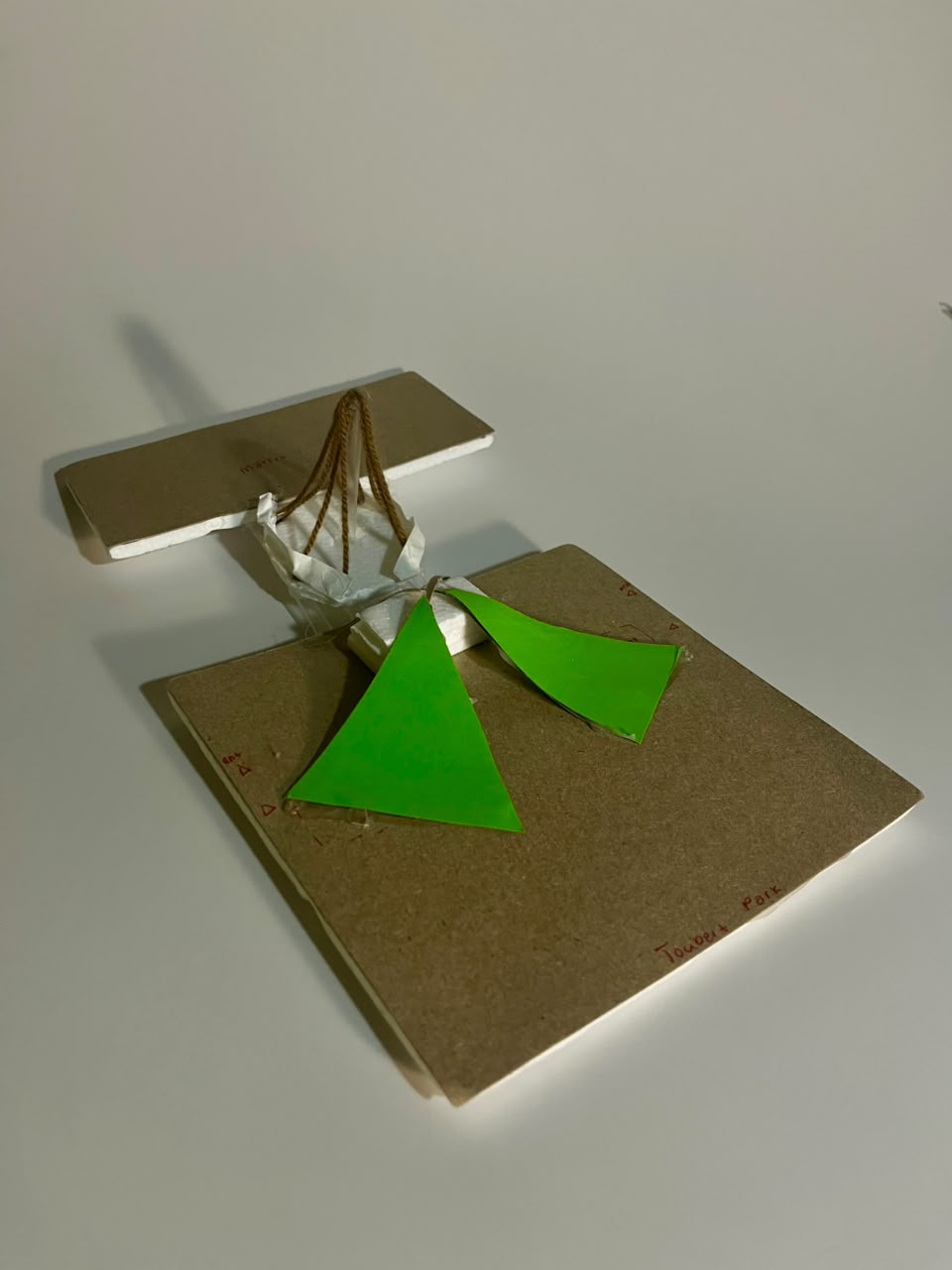
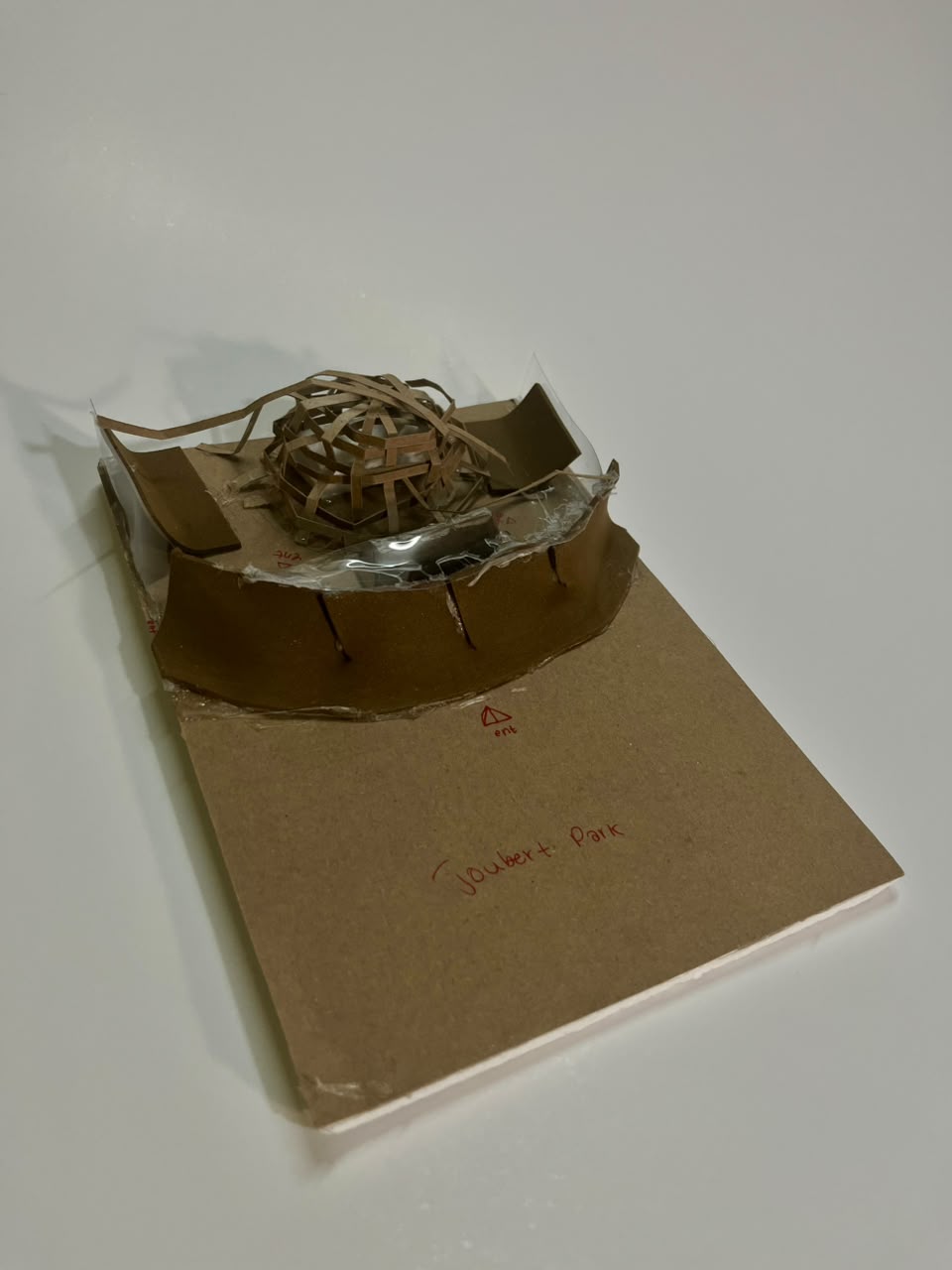
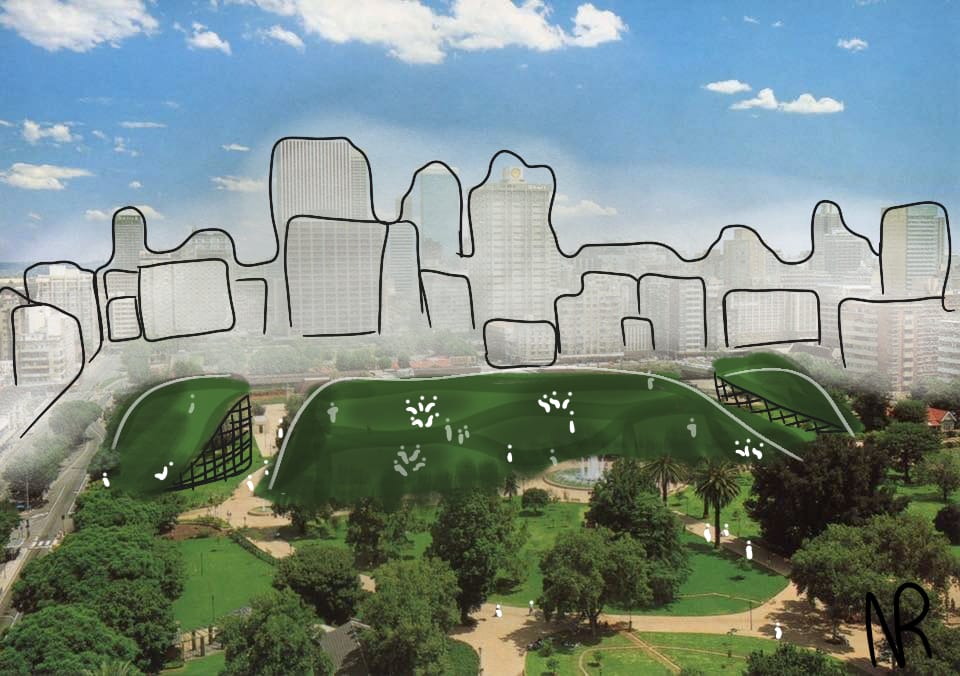
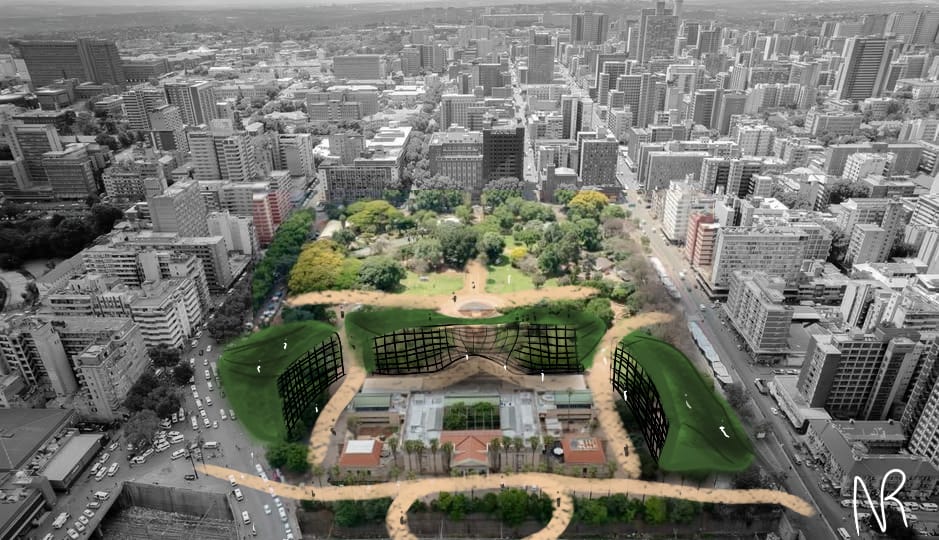
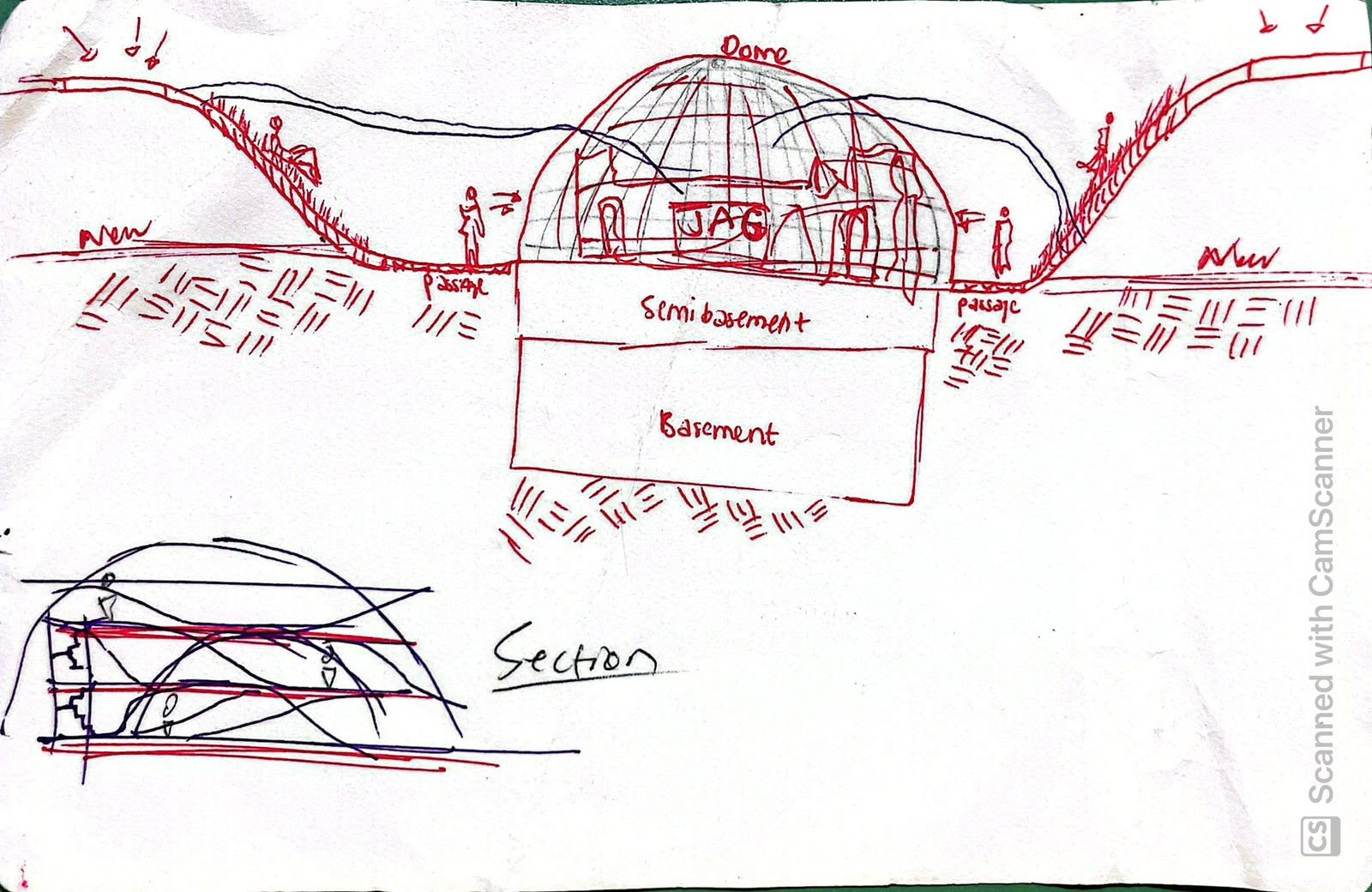
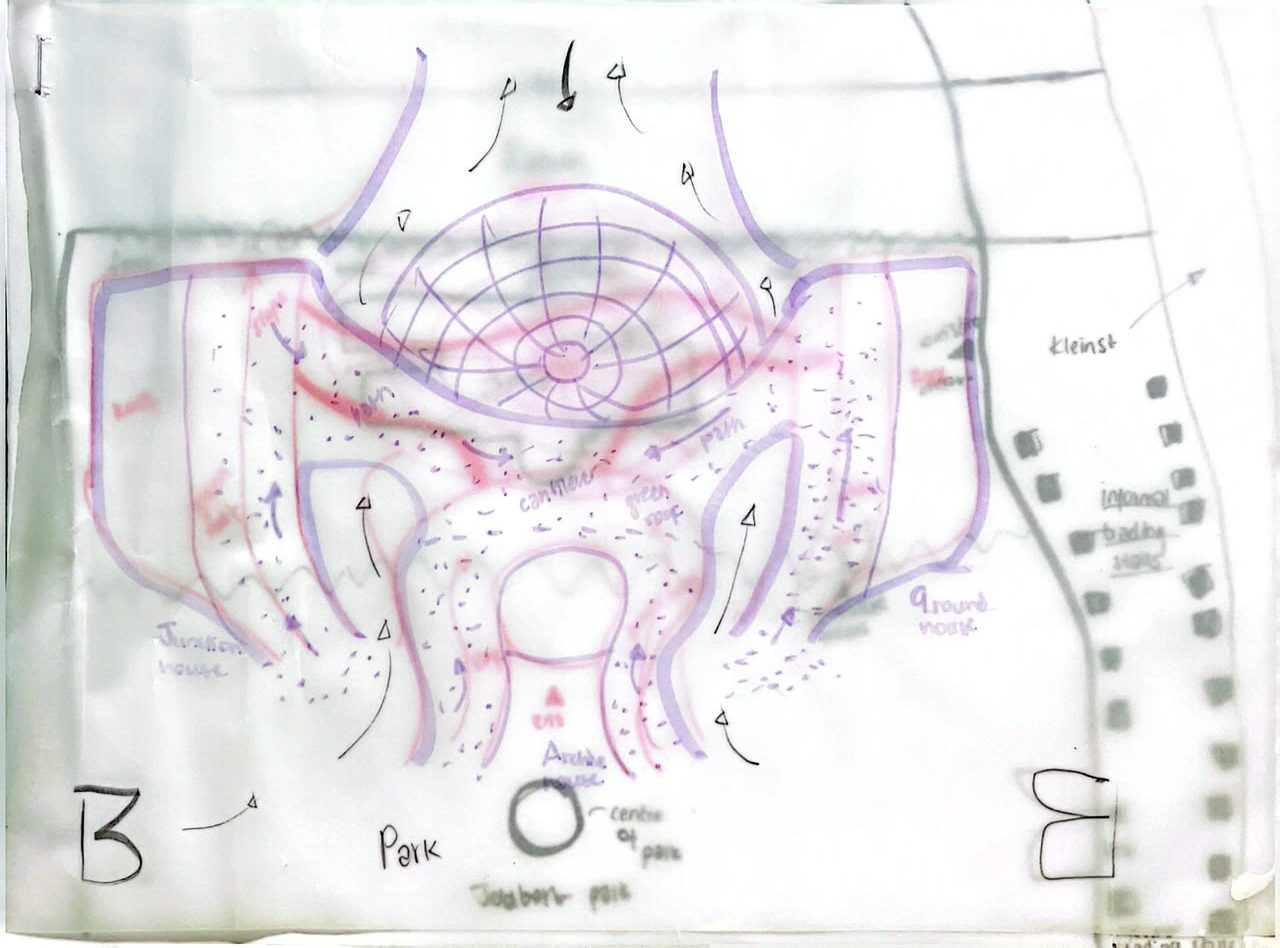
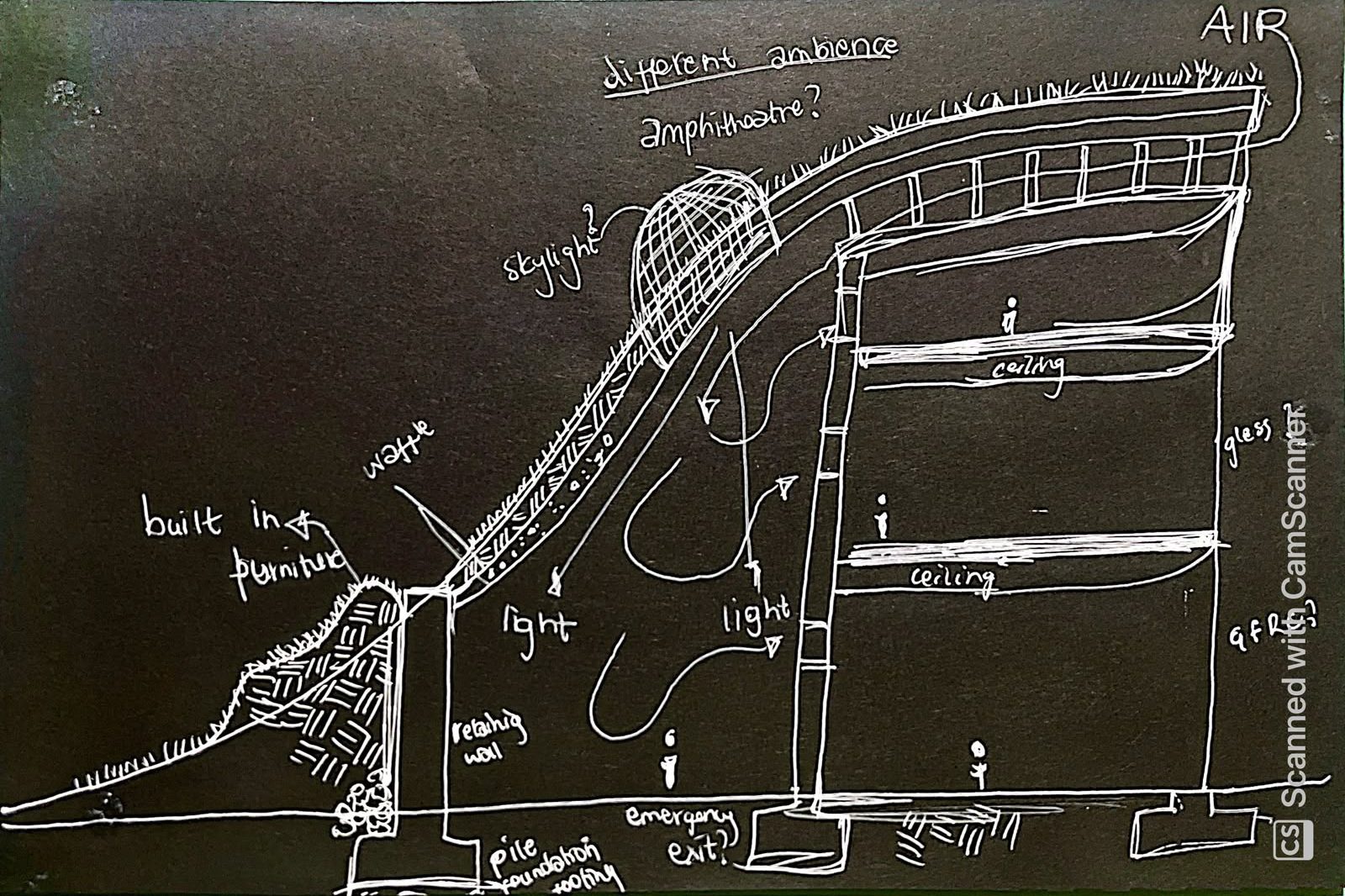
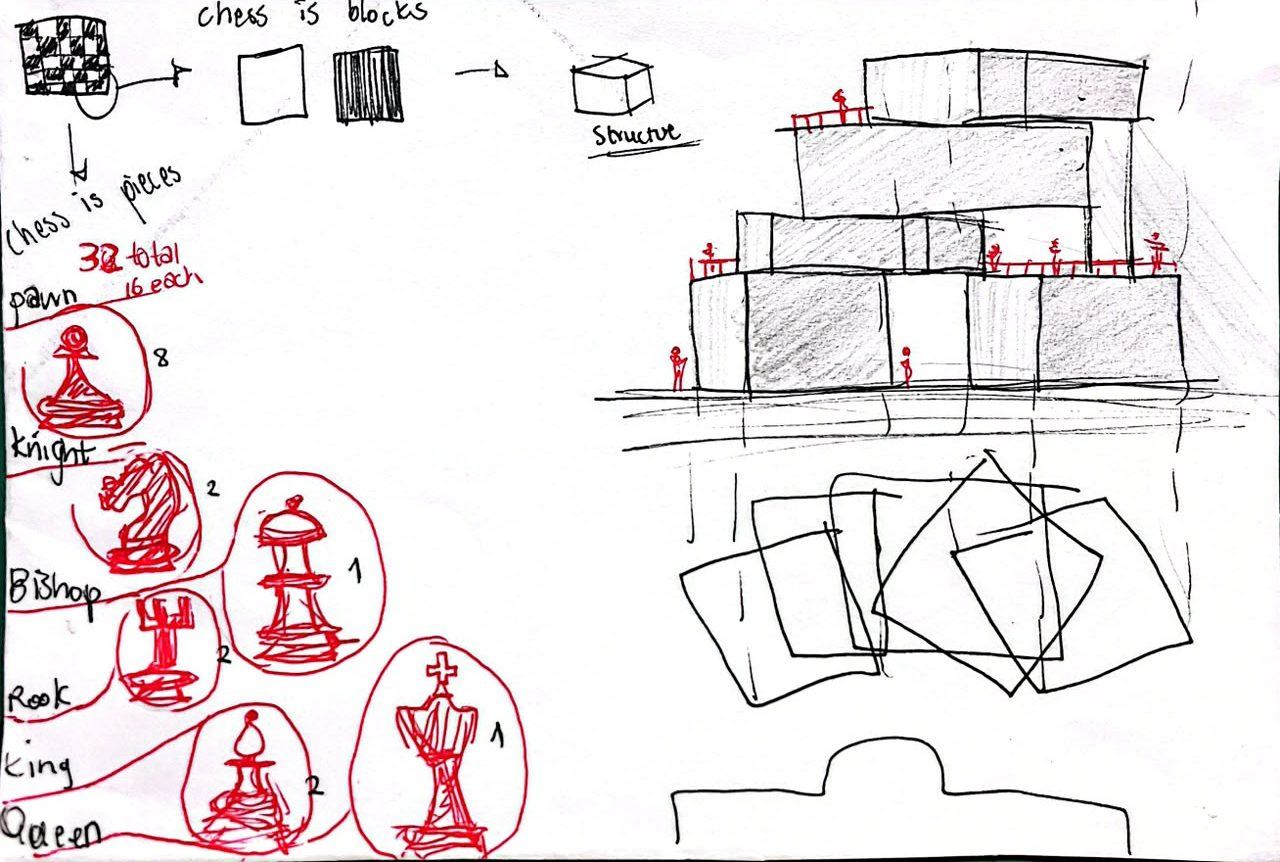
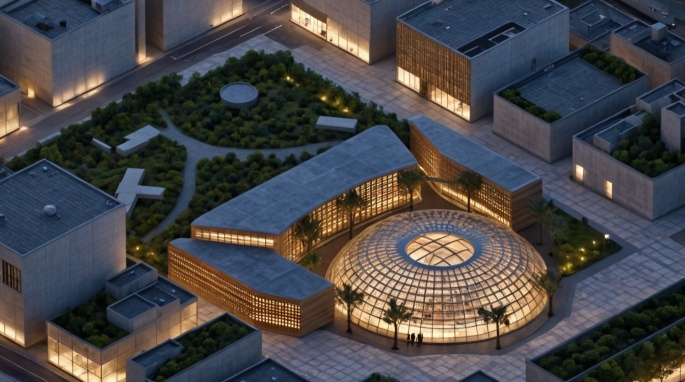
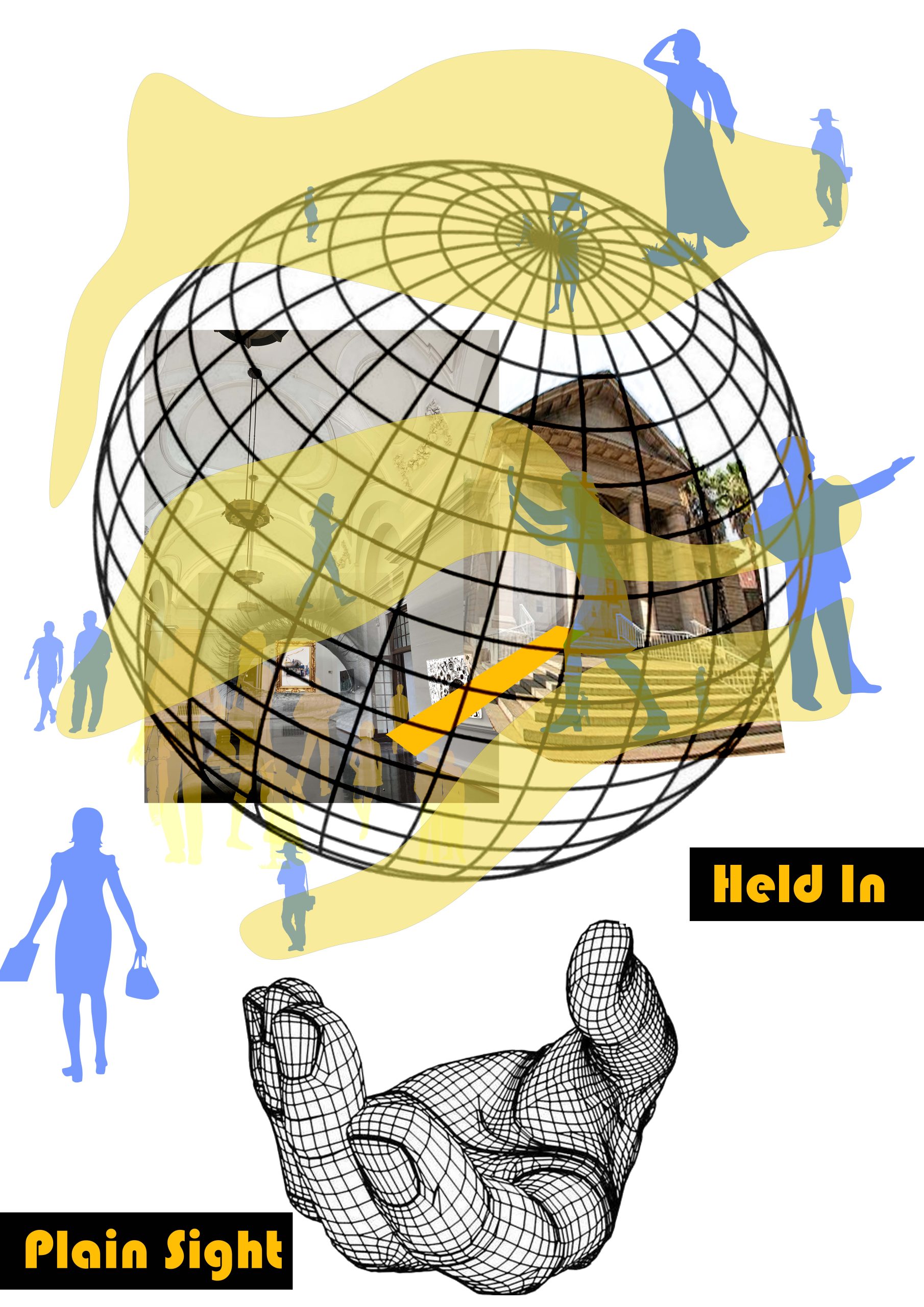
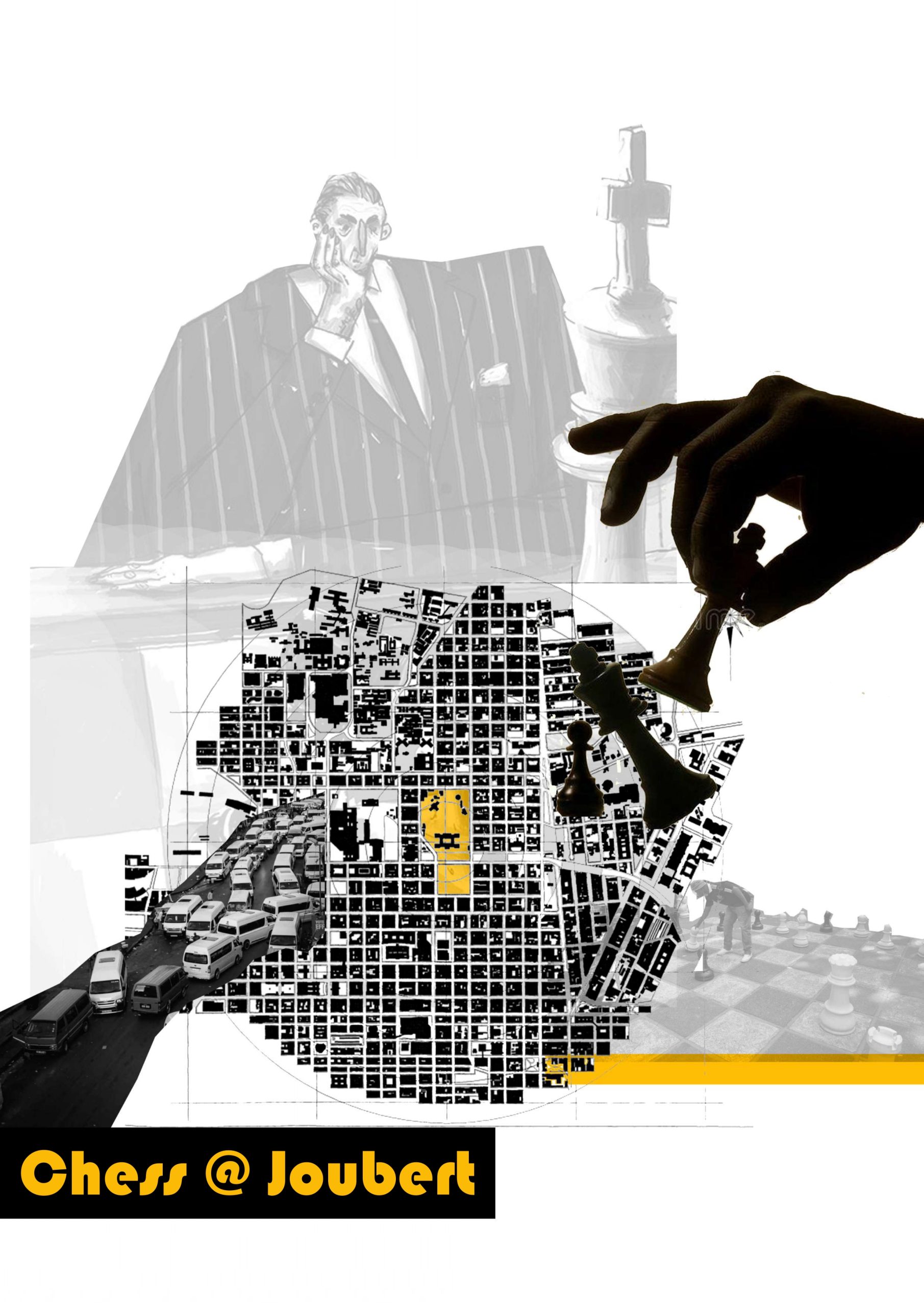
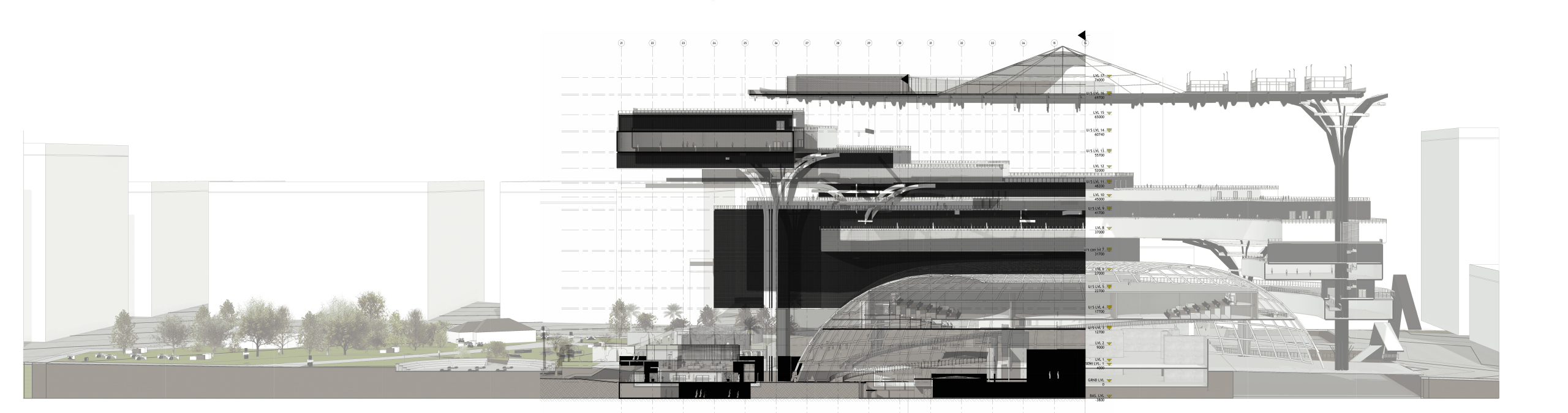
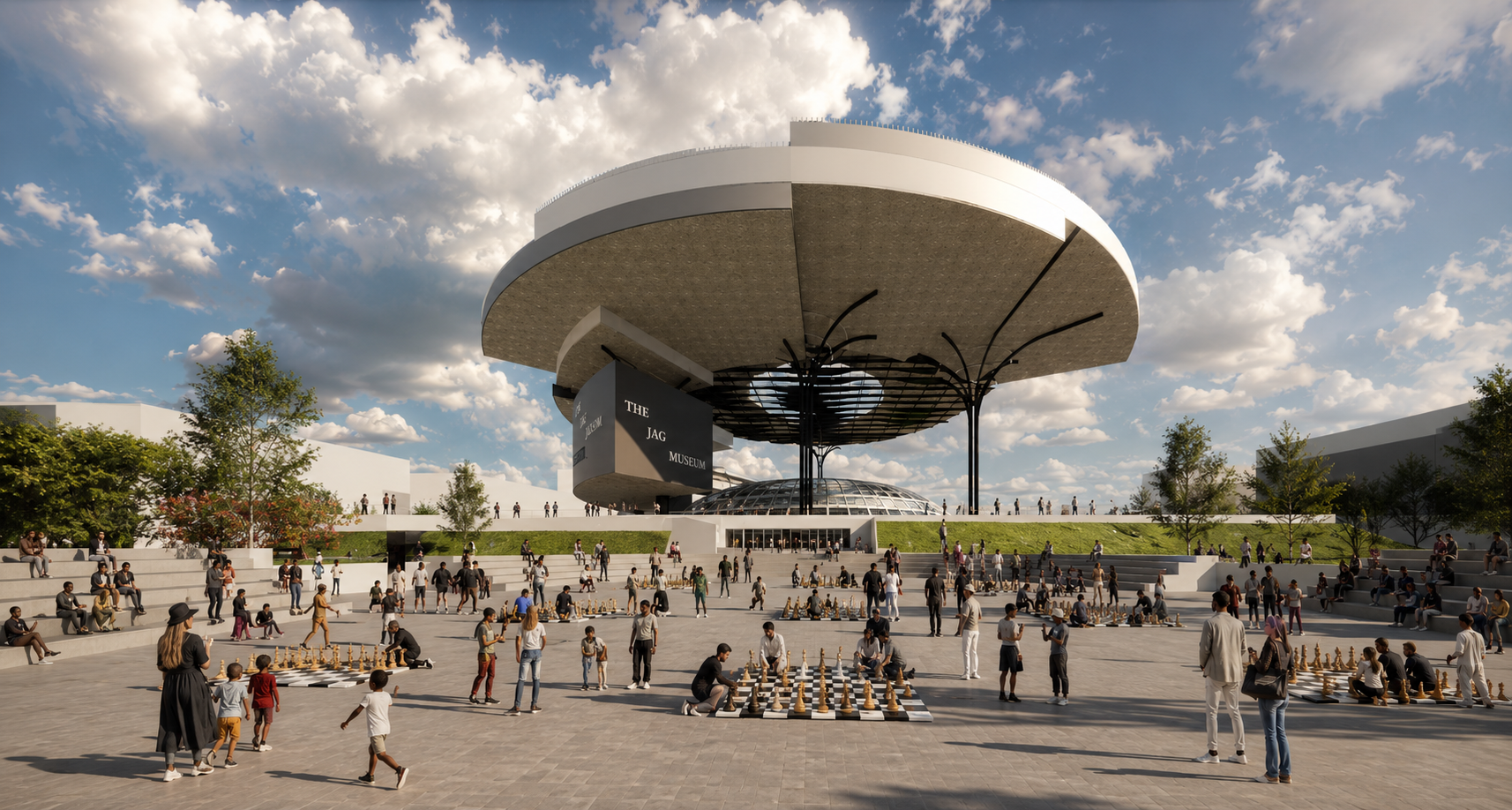
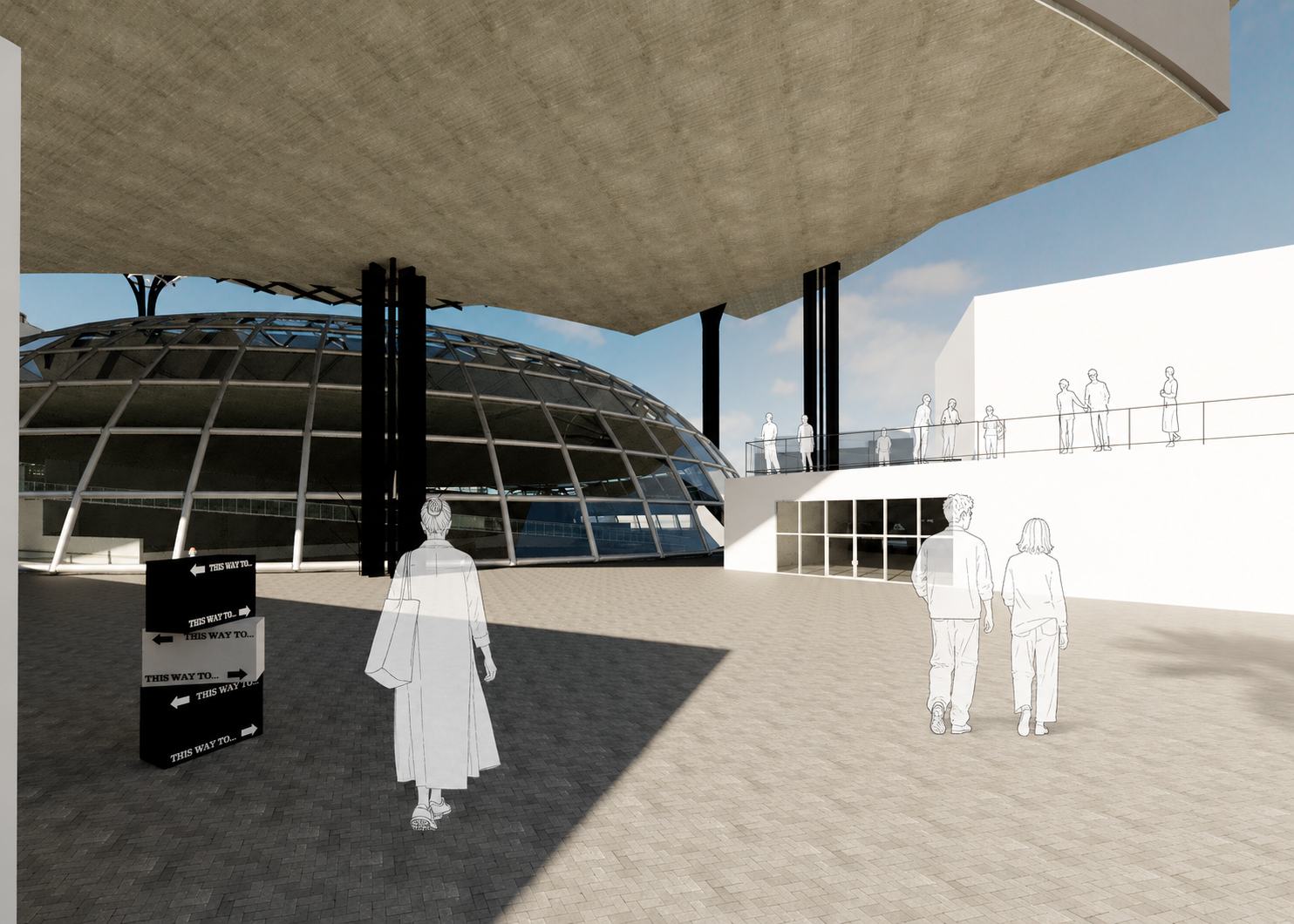
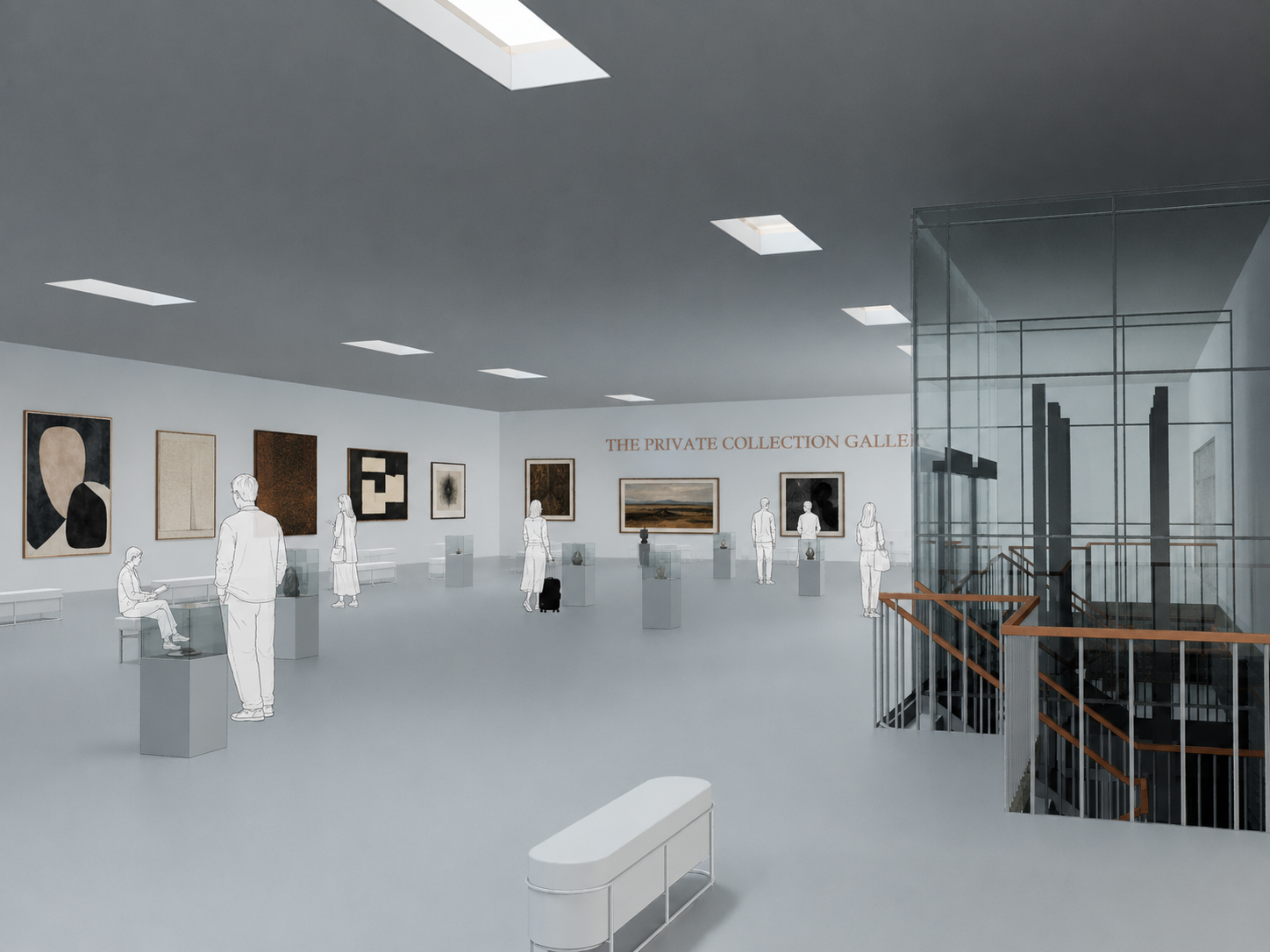
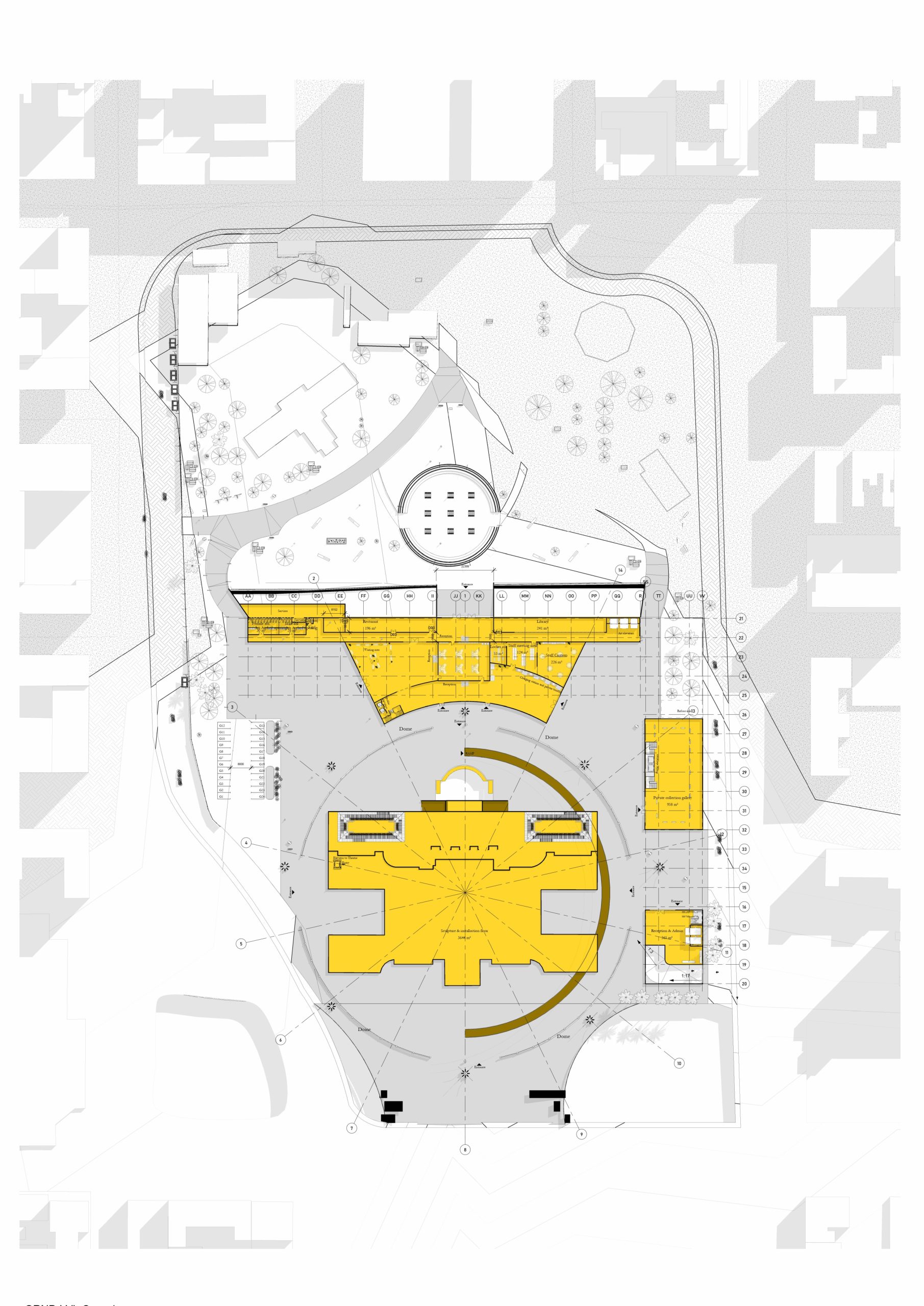
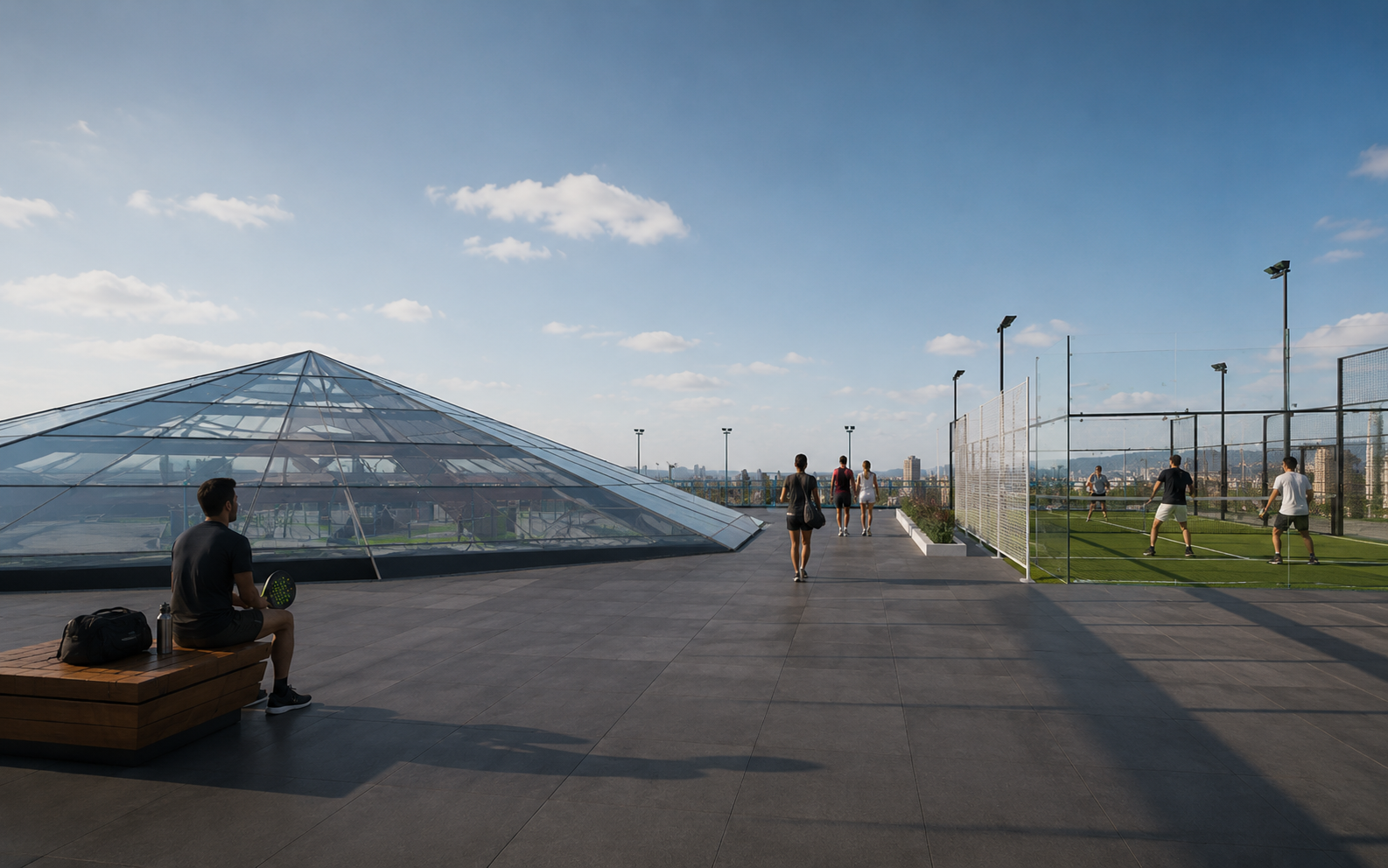
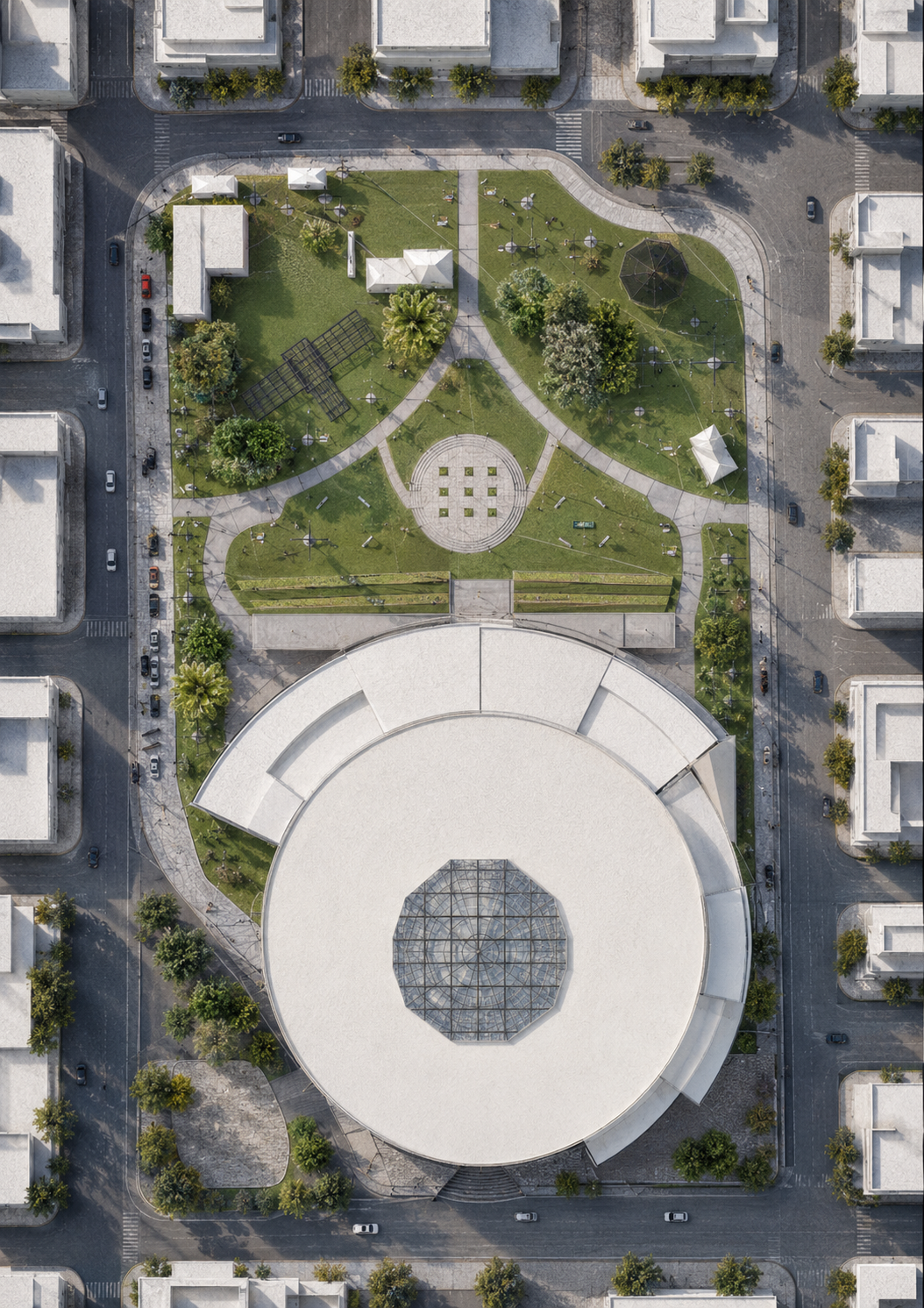
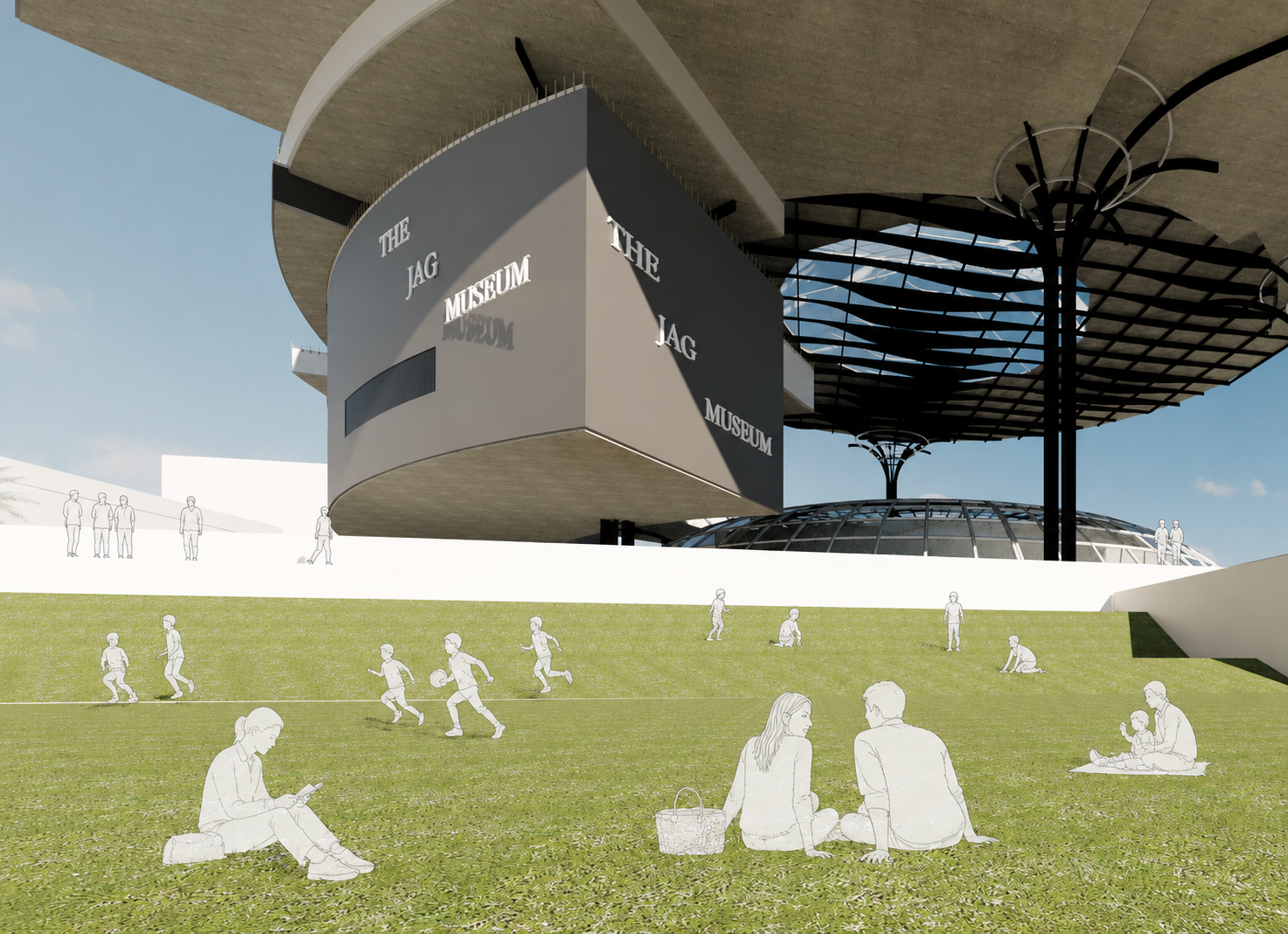
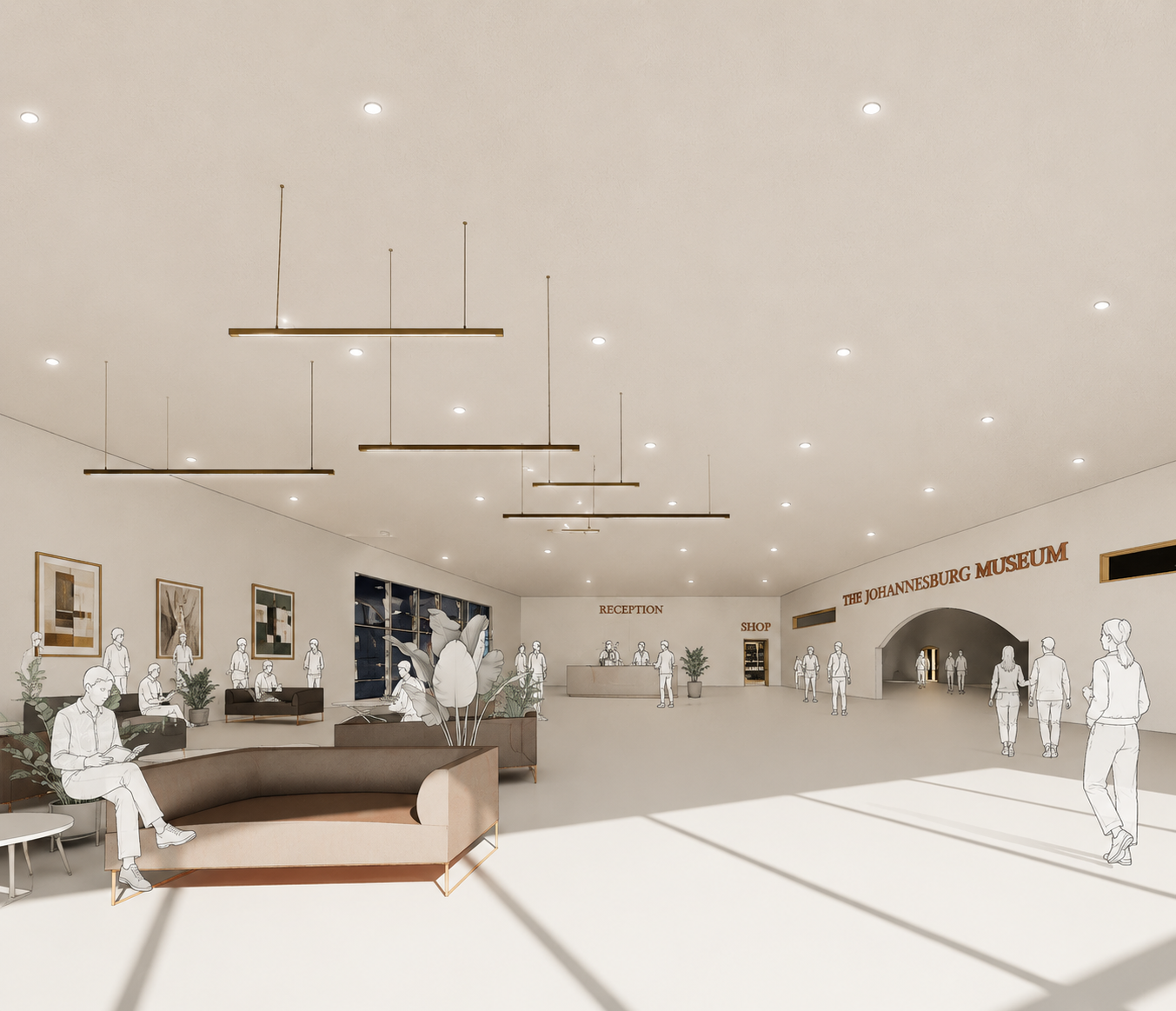
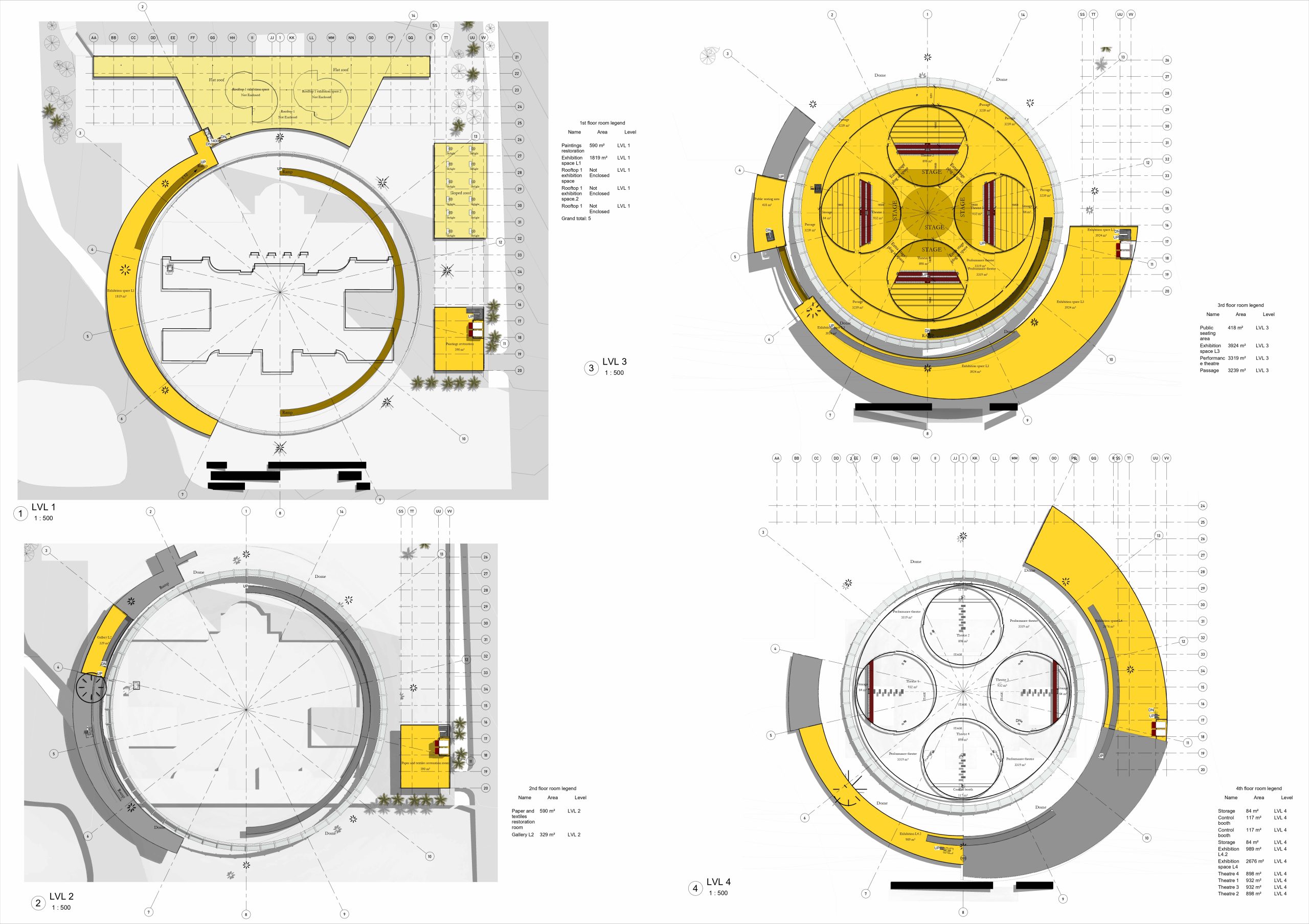
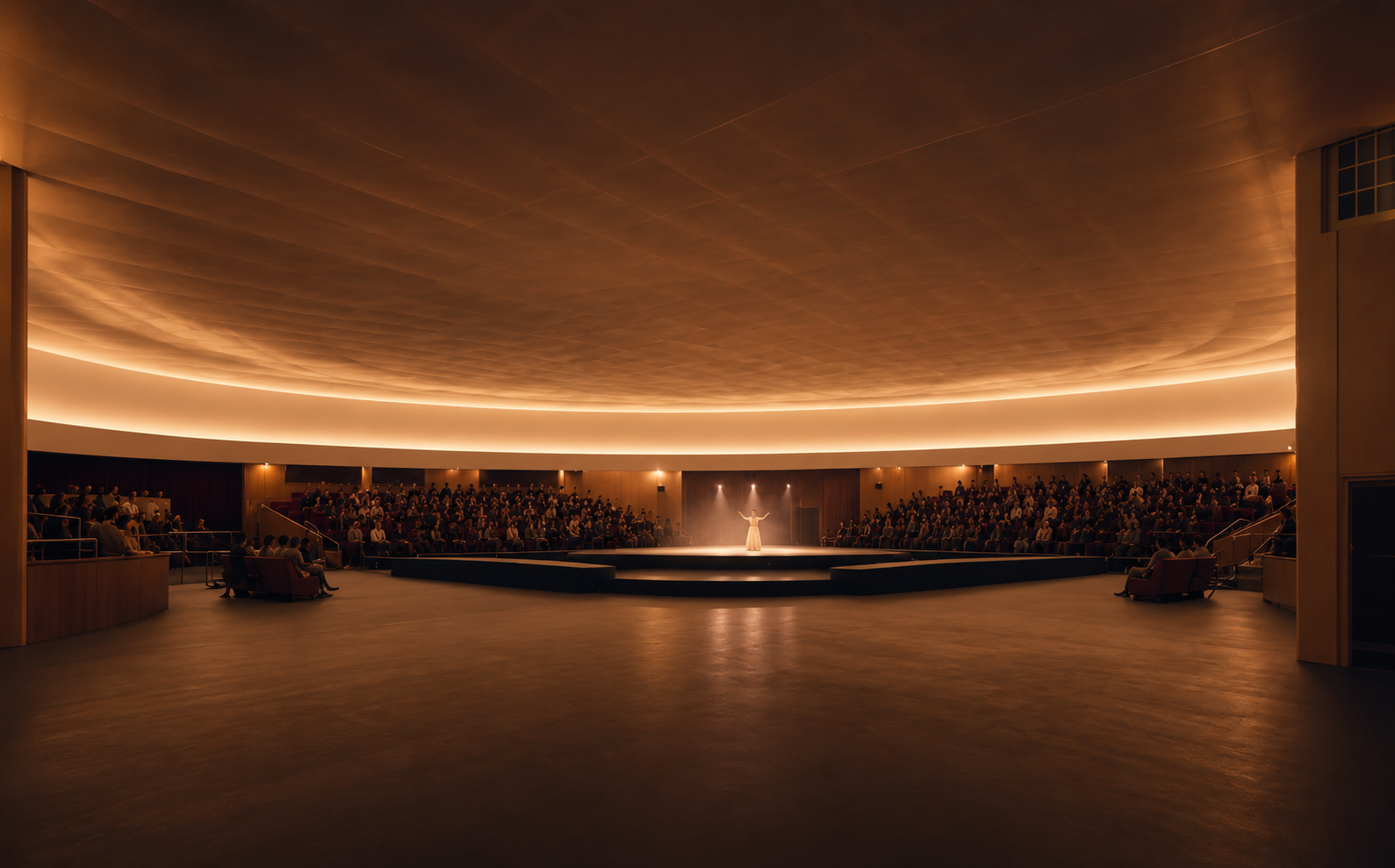
The intervention transforms the gallery into an architectural artifact contained within a transparent geodesic dome, while a continuous landscaped roof extends Joubert Park over the museum, inviting the public to occupy the institution rather than simply observe it. Drawing inspiration from the strategy and symbolism of chess, the design uses black and white forms to represent the continual negotiation between power, memory, identity, and transformation.
Ultimately, the project proposes a museum that shifts from being an isolated colonial monument to becoming an open civic landscape where contemporary culture, public life, and historical reflection coexist.
This project challenged me to think beyond architecture as the design of buildings and instead consider architecture as a medium for questioning history, politics, and public space. Throughout the design process, my ideas evolved significantly. Early explorations focused on preserving the gallery through a protective geodesic dome, but as the project developed, I realised that true transformation required more than preservation. By extending Joubert Park into the building through a continuous landscaped roof, I began to explore how the public could reclaim a space that had historically represented institutional authority.
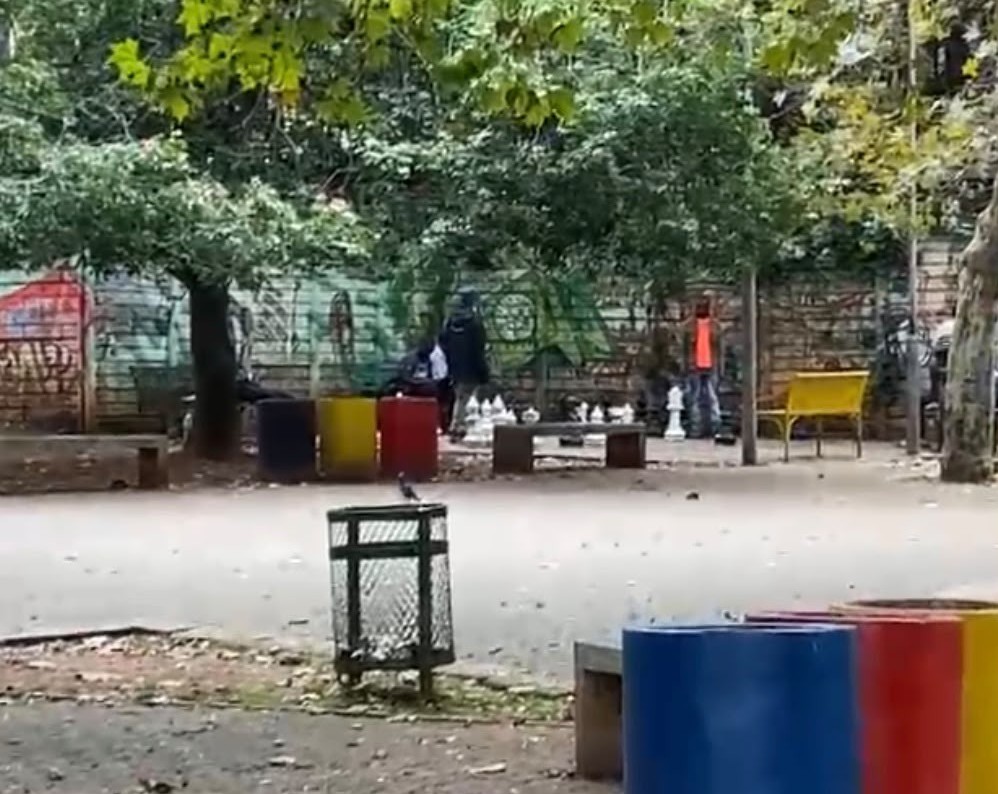
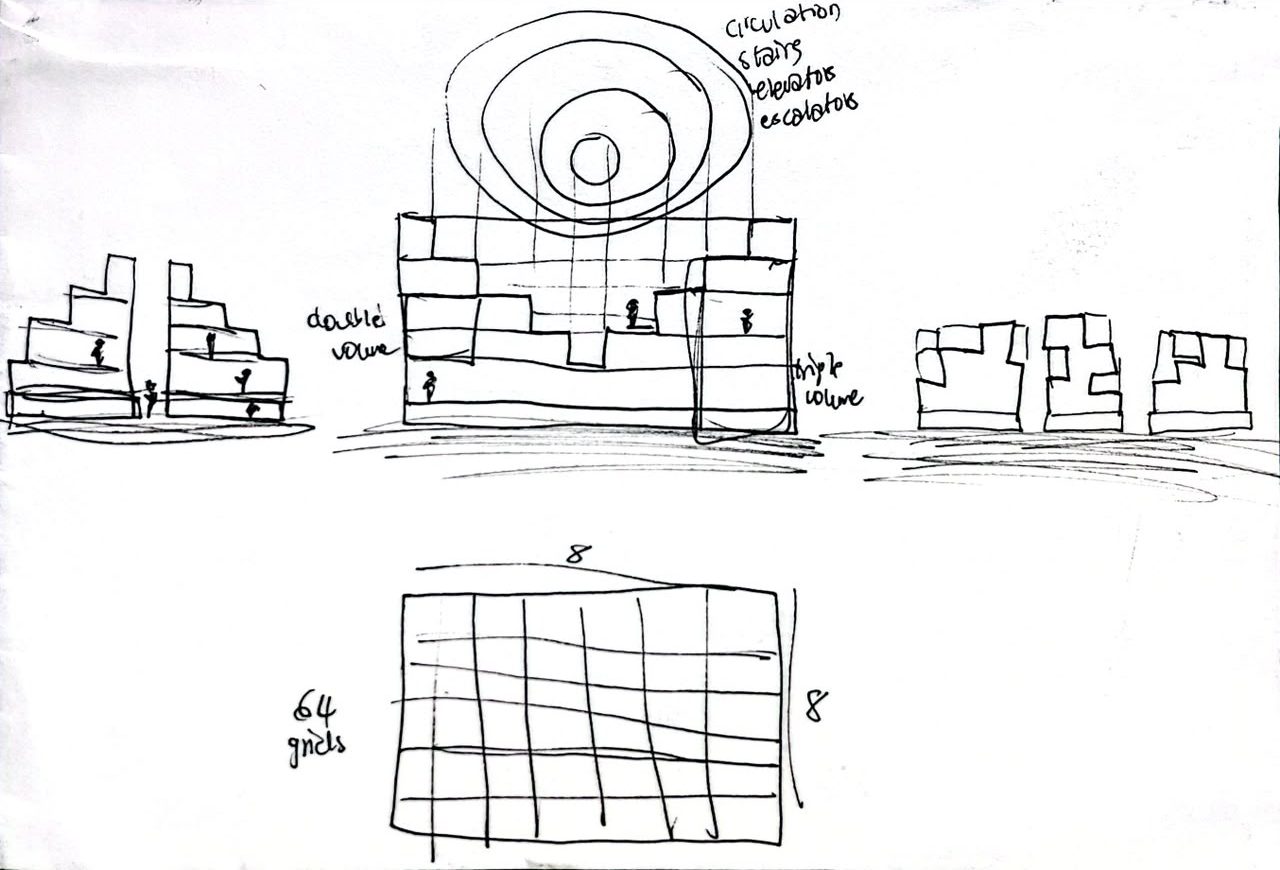
The introduction of chess as a conceptual framework further strengthened the project, allowing me to investigate themes of strategy, hierarchy, and power through both form and movement. This iterative process taught me that meaningful architecture emerges through constant testing, sketching, and reflection rather than attachment to a single idea. Looking back, the project represents not only a proposal for the Johannesburg Art Gallery but also my own growth as a designer, demonstrating how critical thinking and experimentation can transform initial concepts into a coherent architectural position