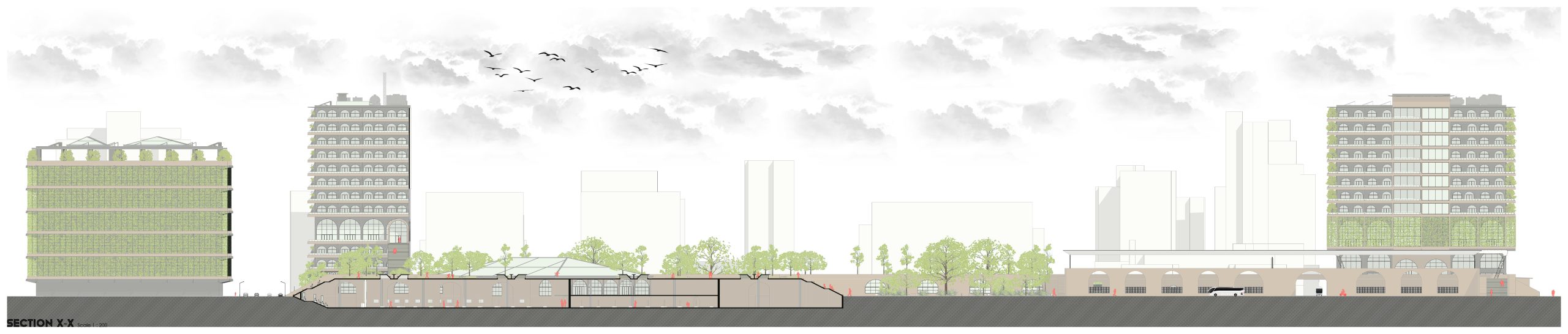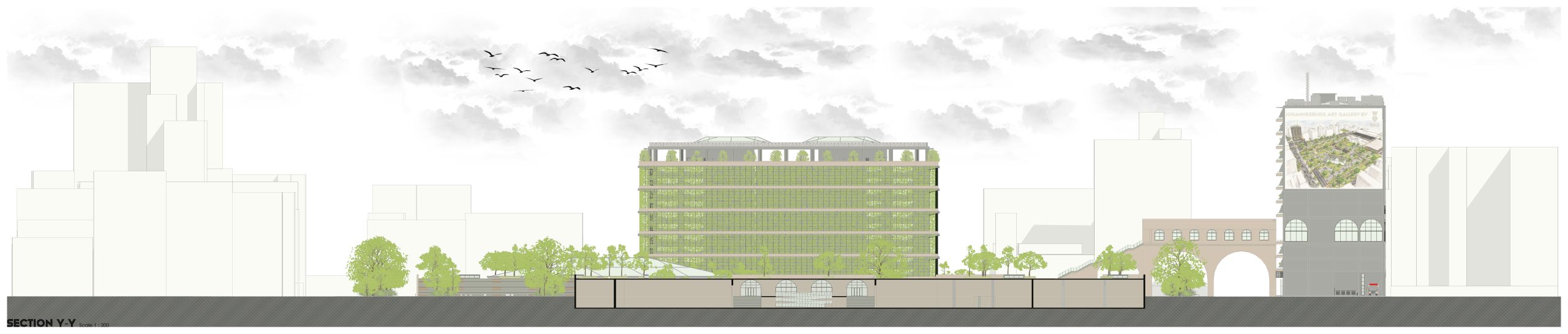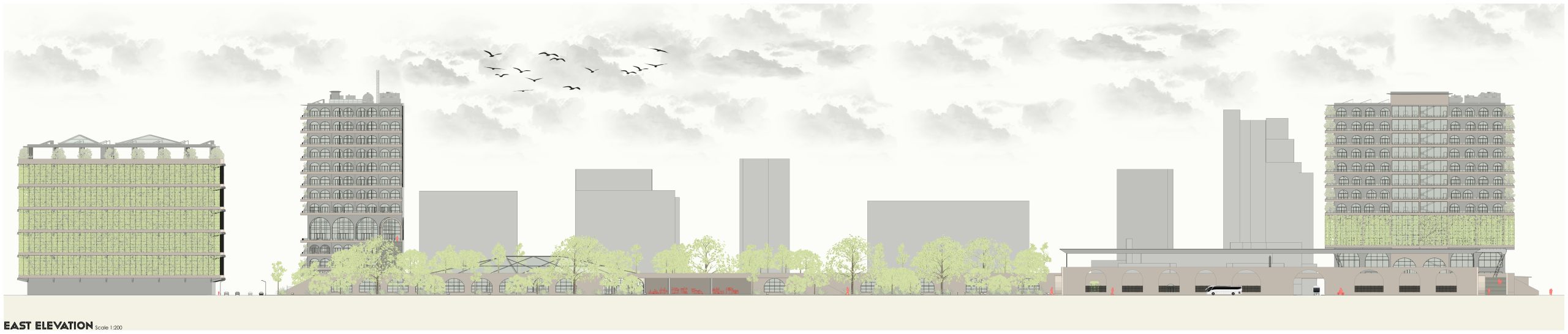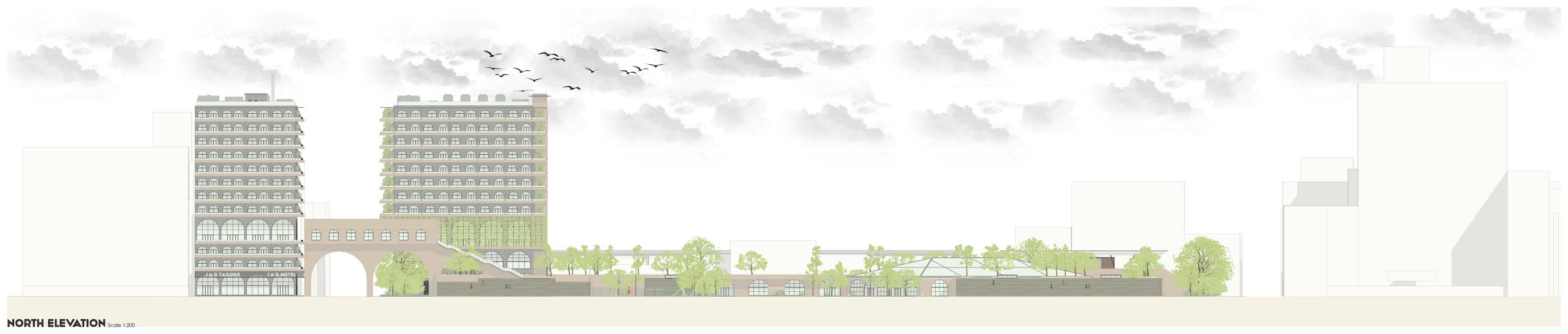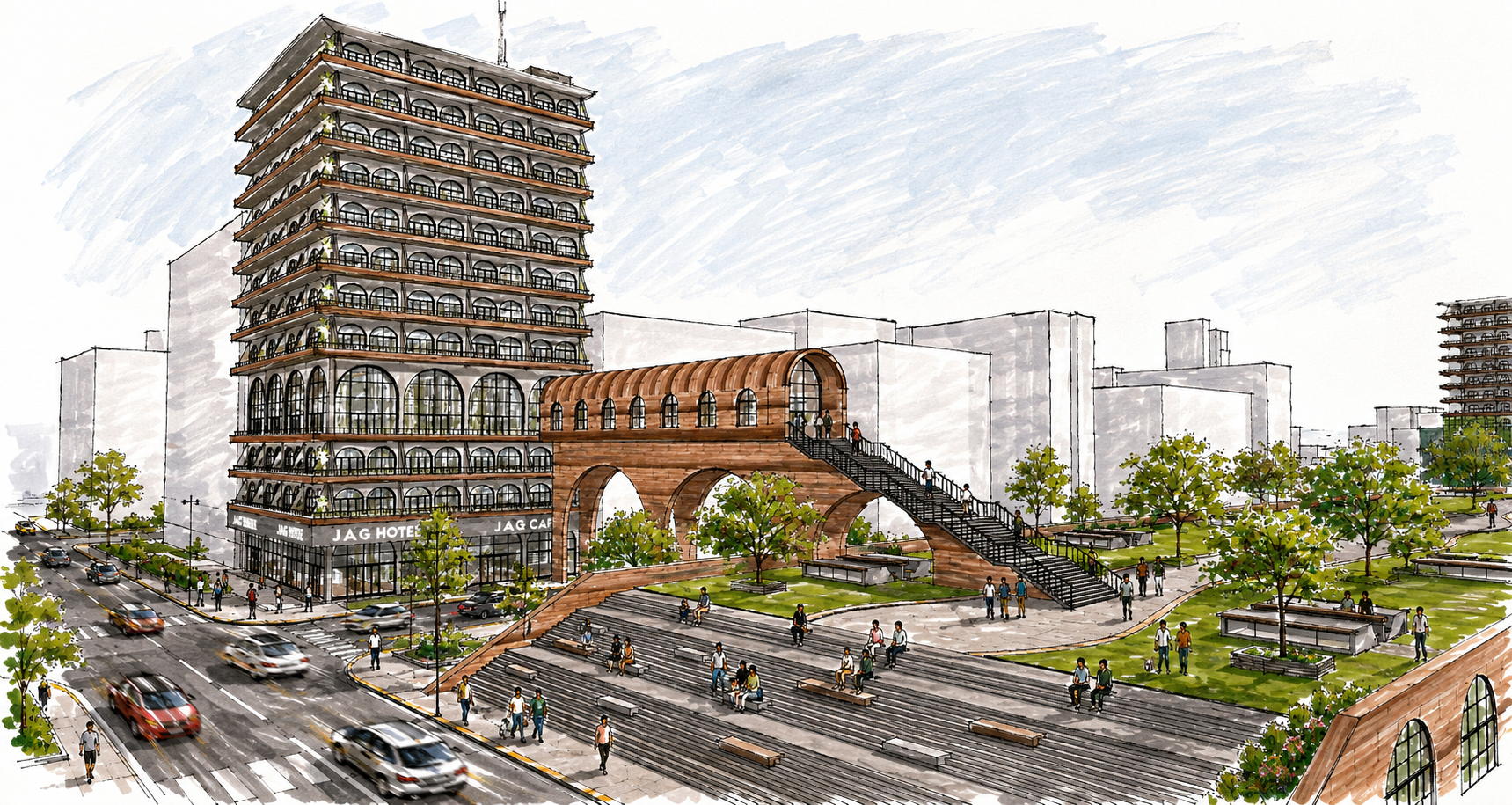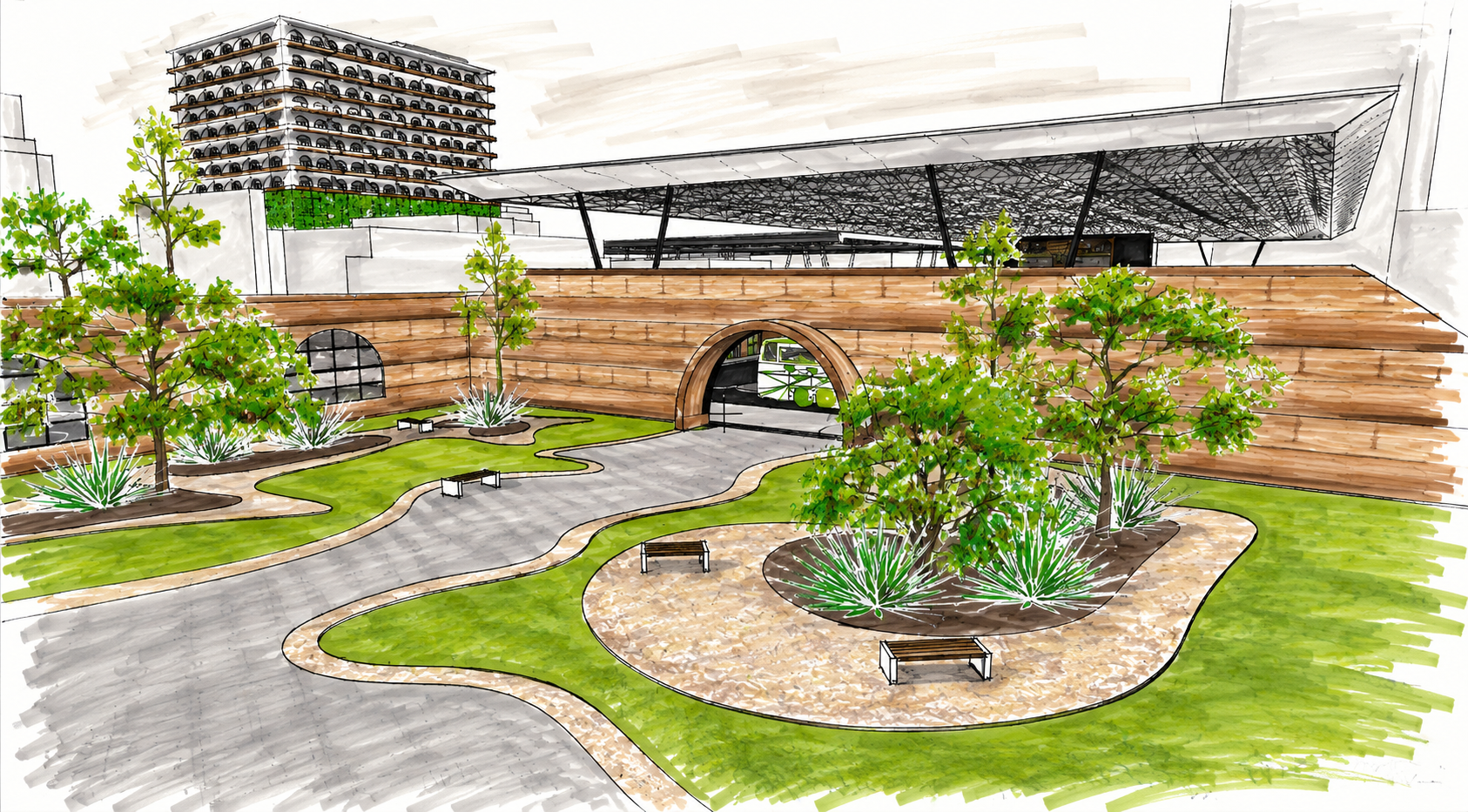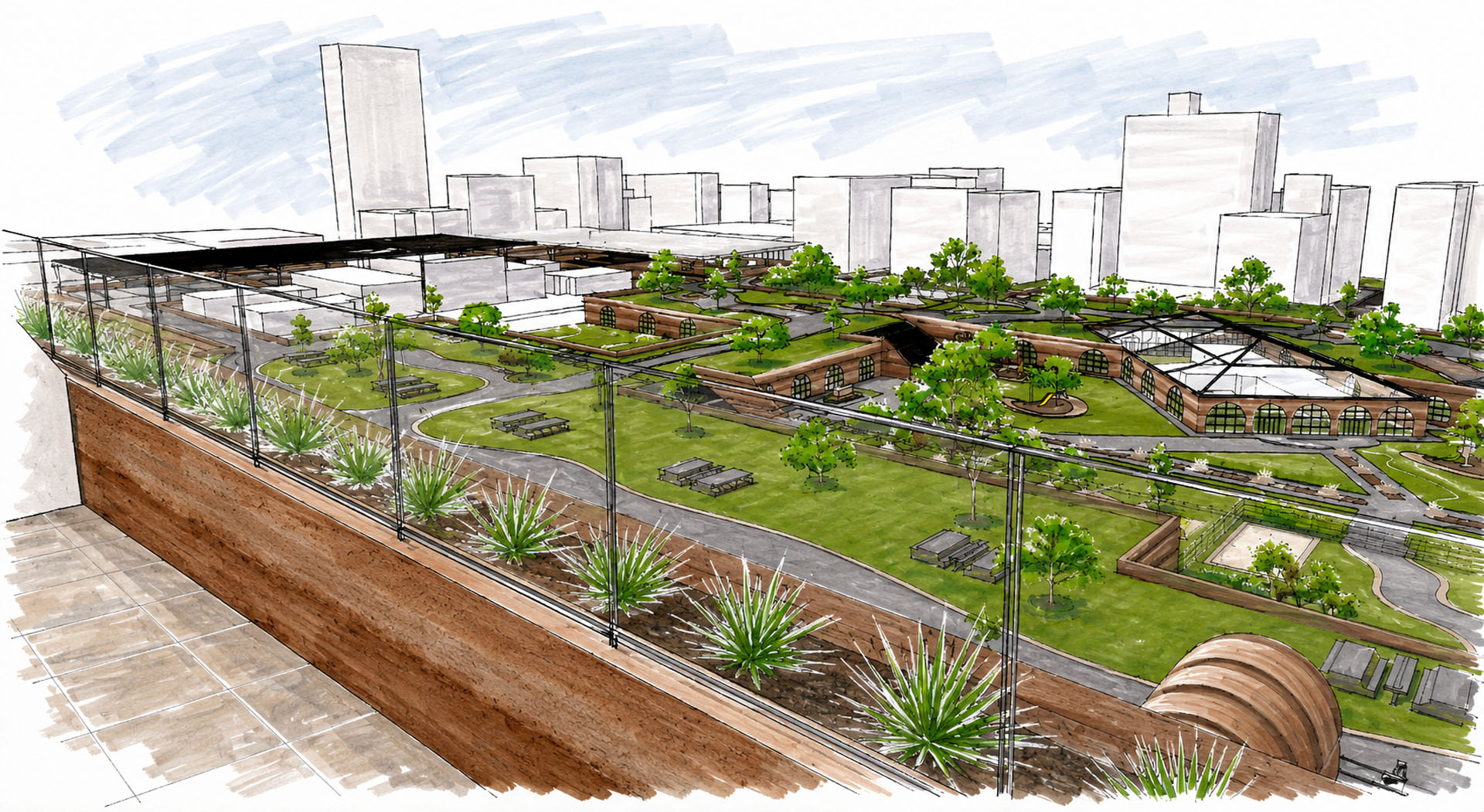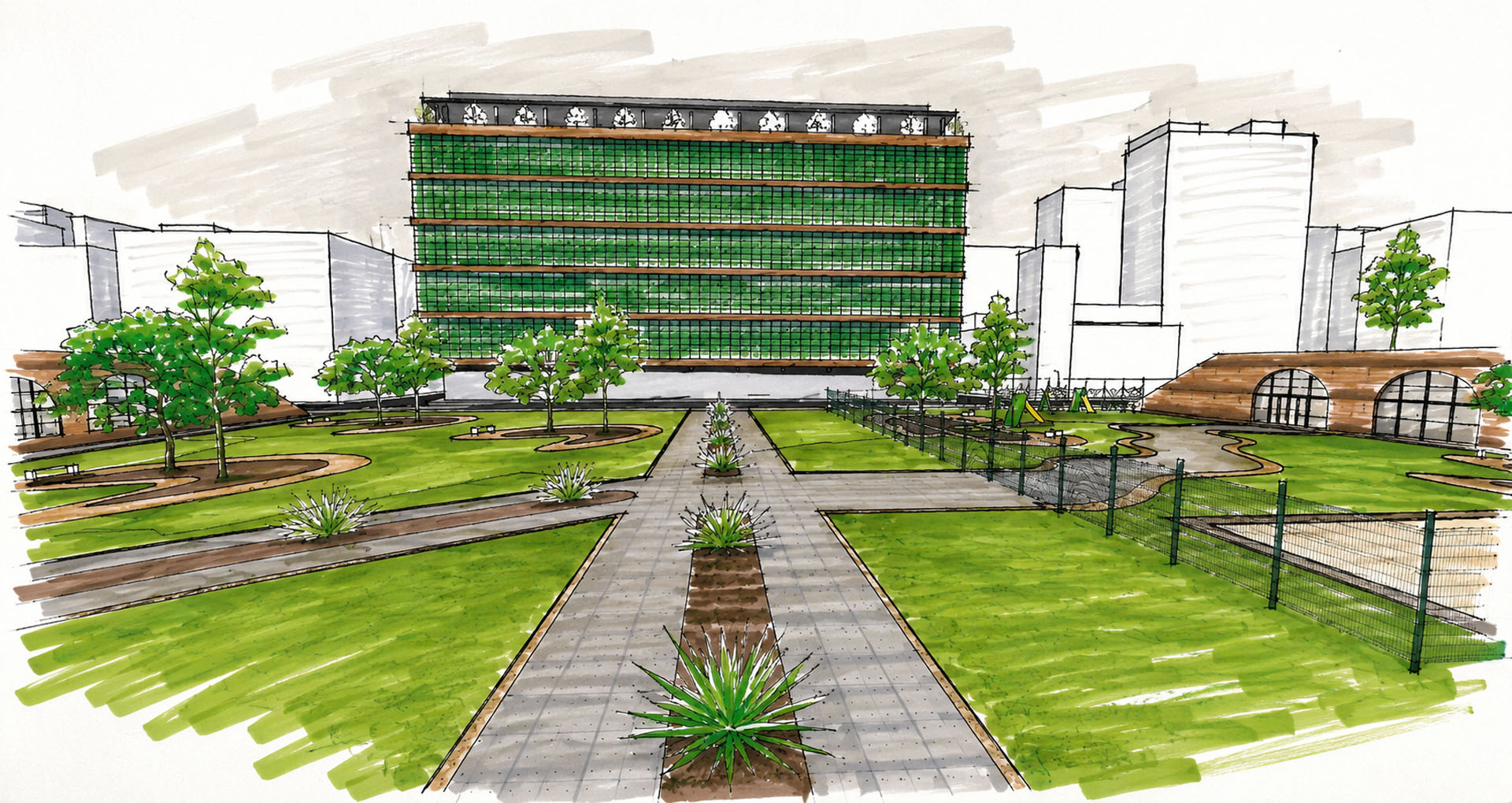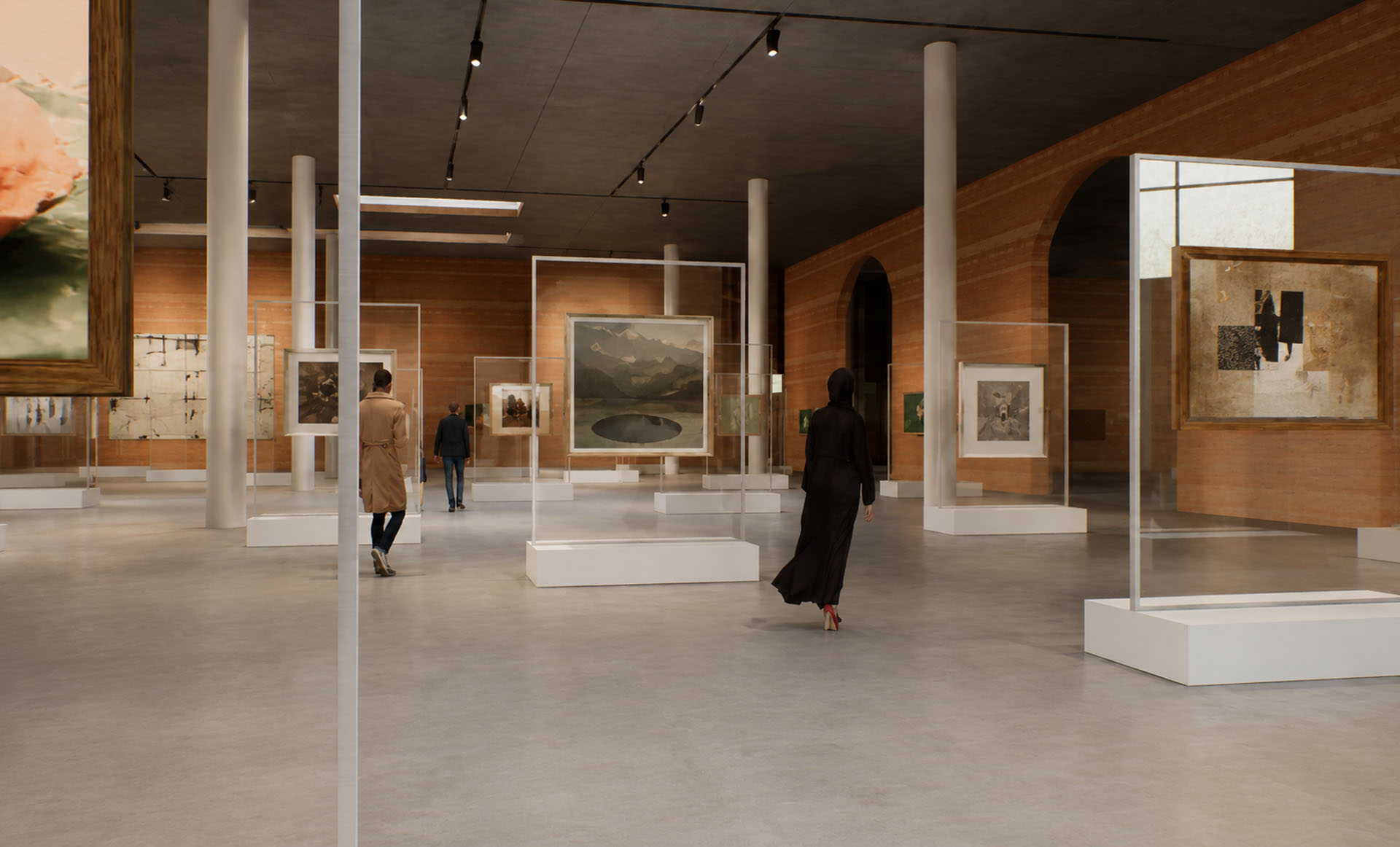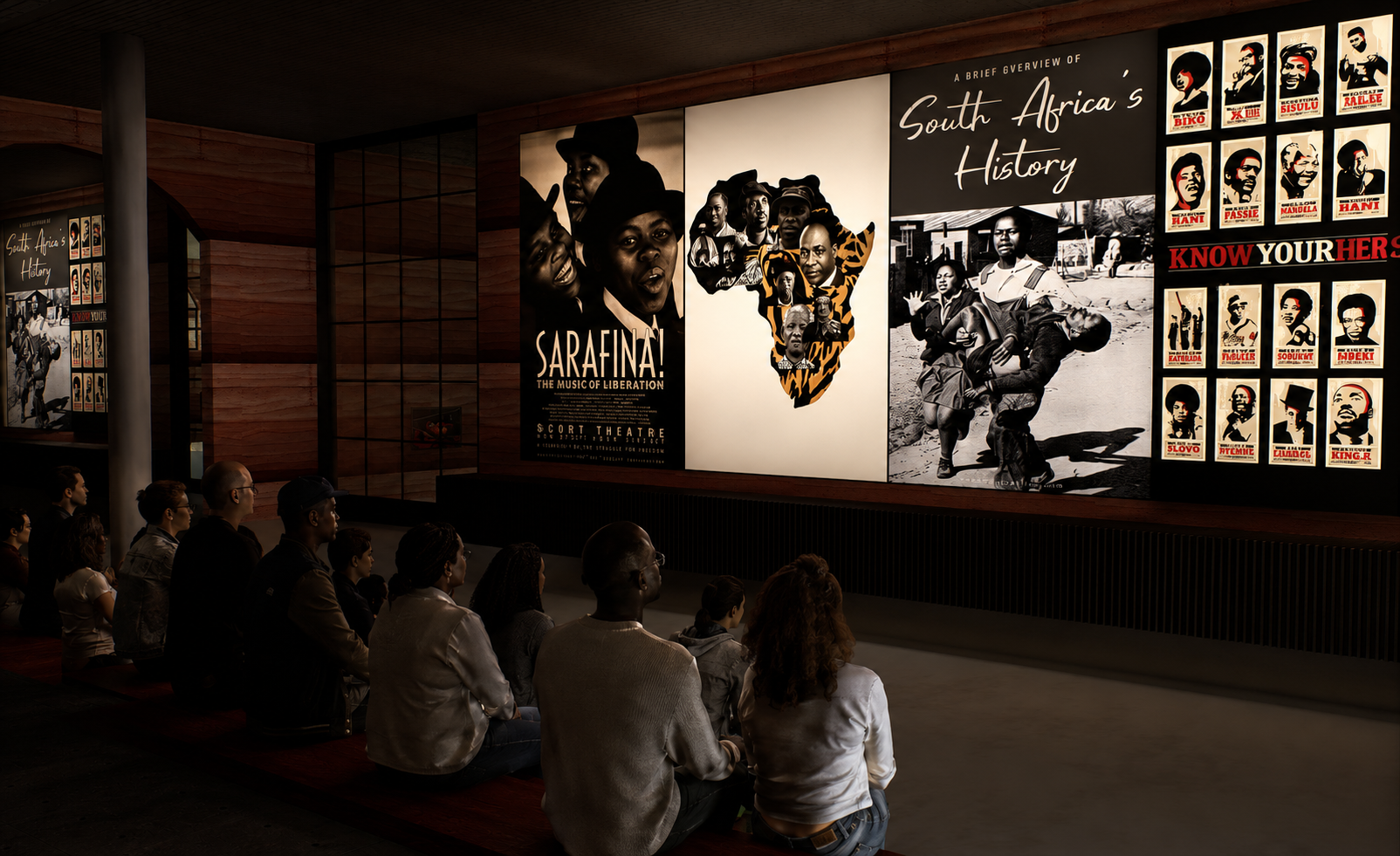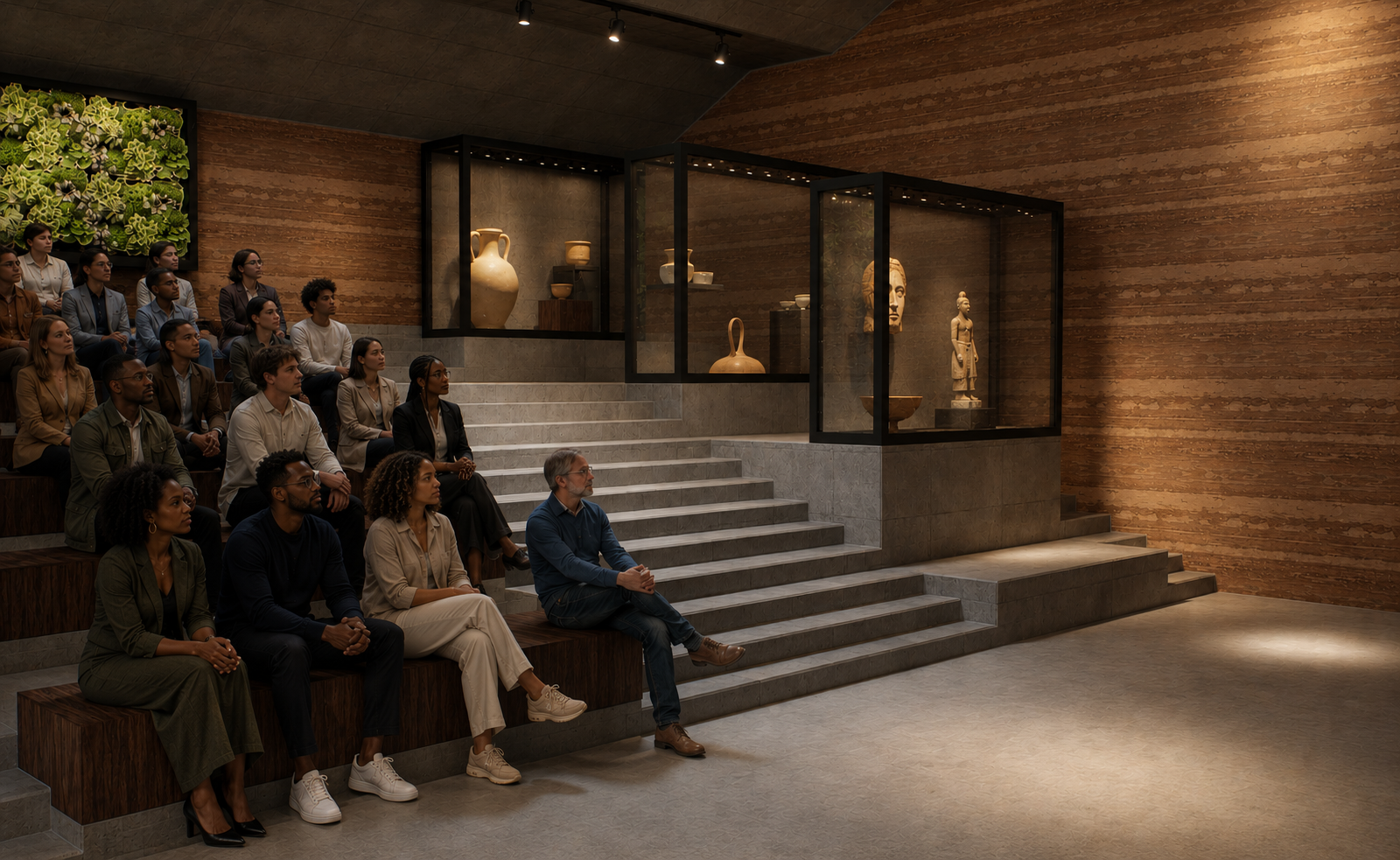
This project began with a simple but important question: What should a museum in Africa look like today? The Johannesburg Art Gallery (JAG) is home to one of the largest art collections on the continent, but only a small percentage of its artworks can currently be displayed, and the building no longer meets the needs of the city or its people. The brief challenged us to imagine a new future for the museum, one that is more open, inclusive, and connected to everyday life. Rather than designing just another gallery building, we were asked to rethink how art can be experienced, how public spaces can bring people together, and how architecture can celebrate Africa’s rich cultures while responding to the challenges and opportunities of contemporary Johannesburg. The result is a proposal that expands the museum into a vibrant public destination where art, community, culture, and the city come together.
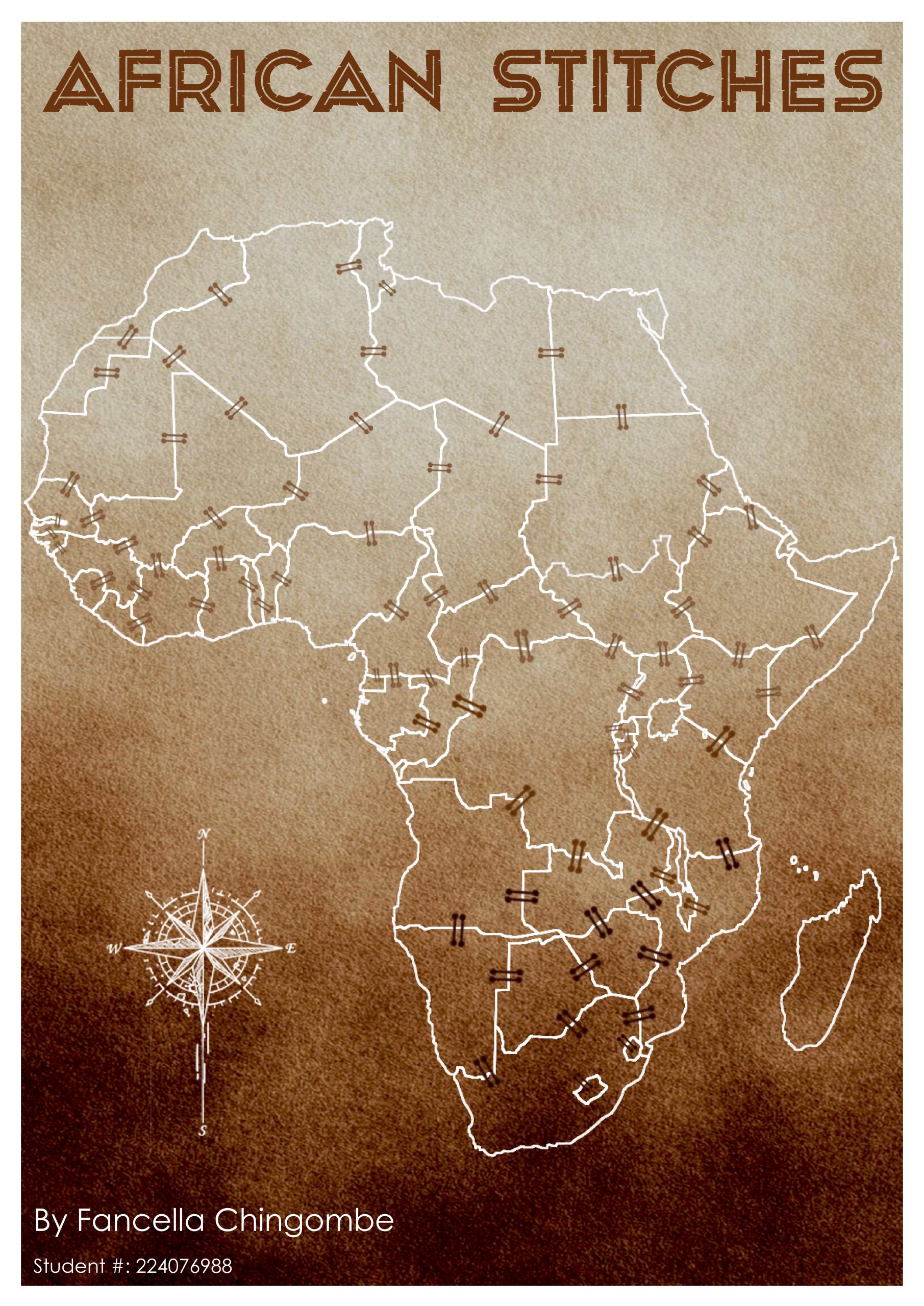
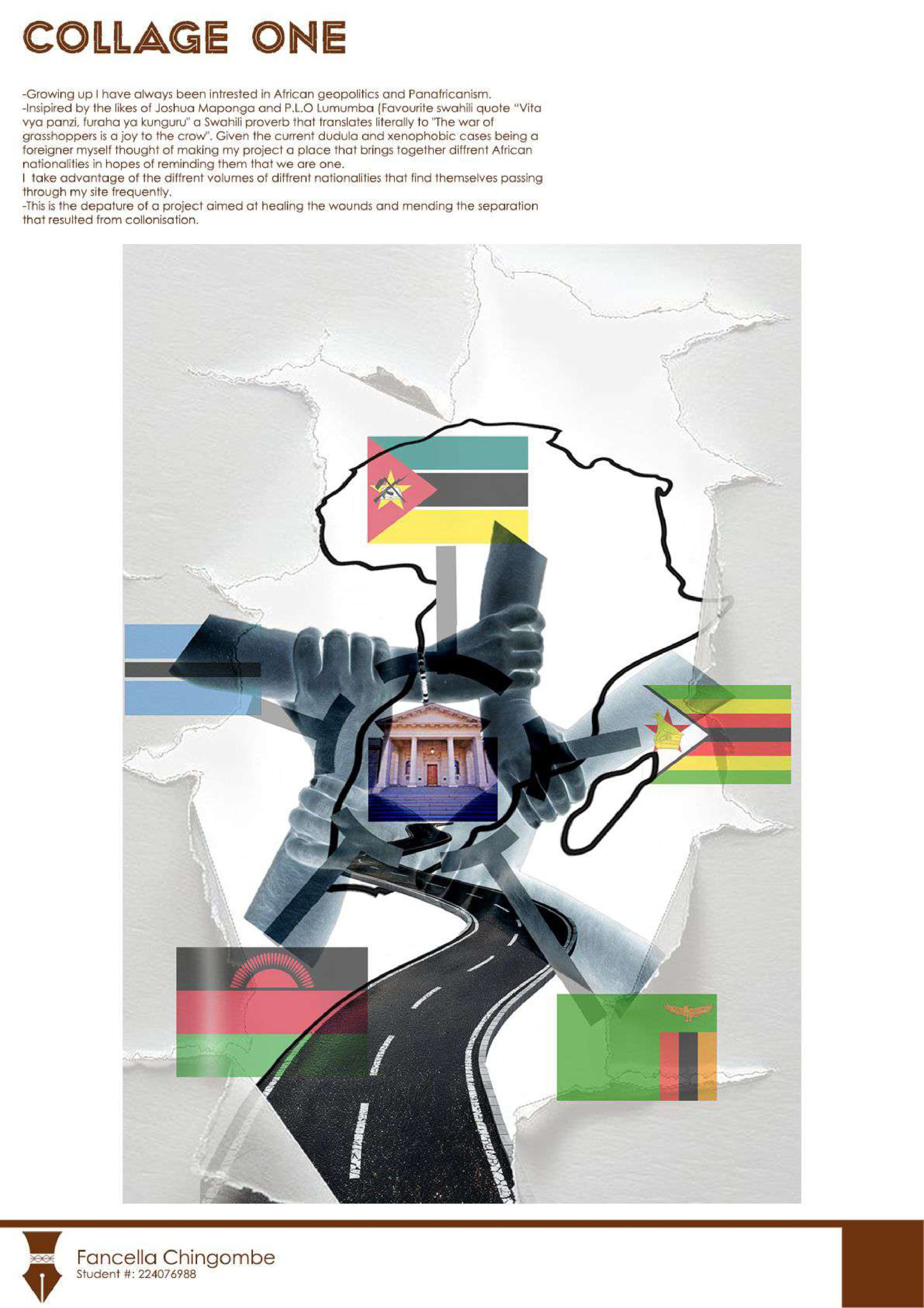
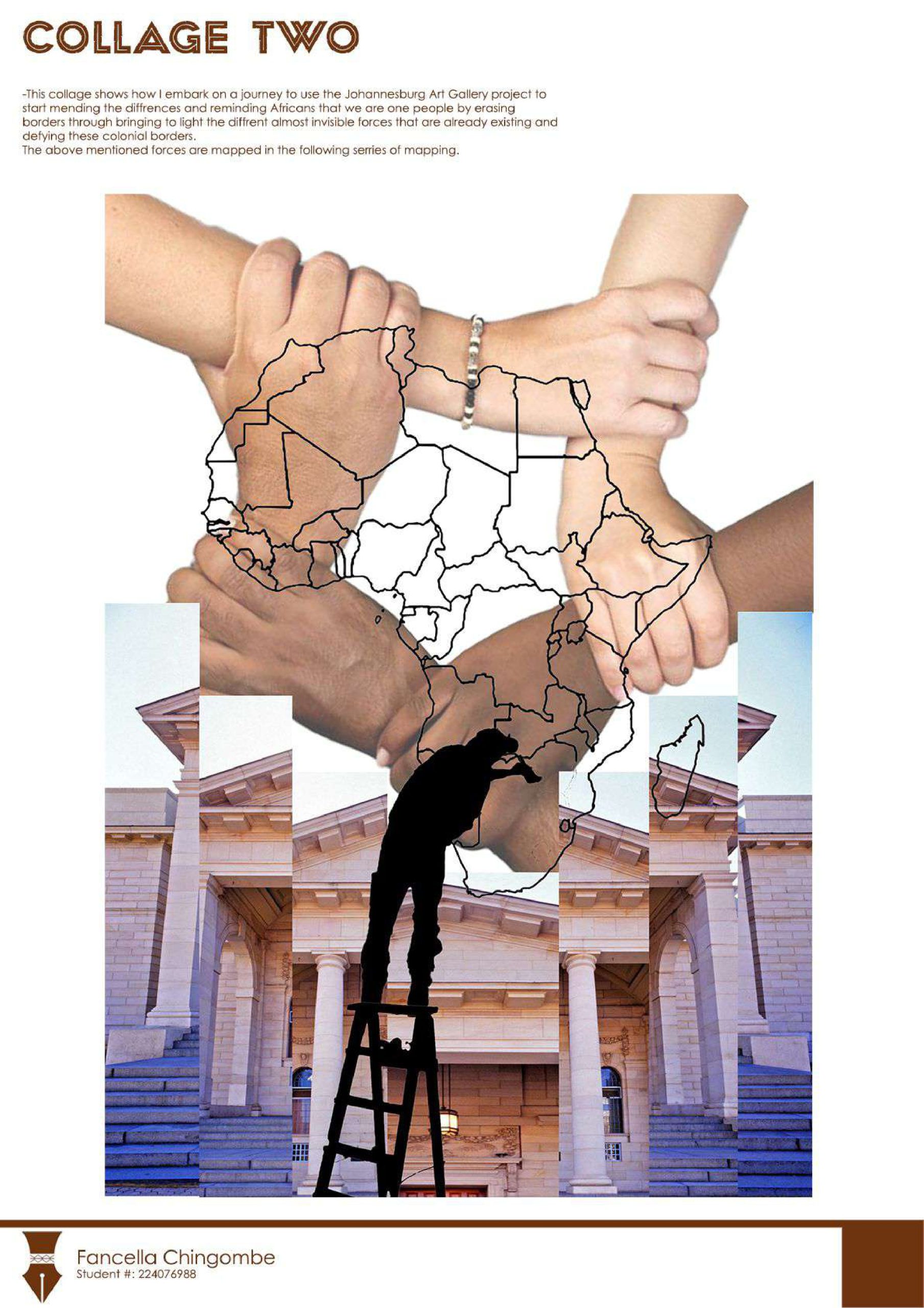
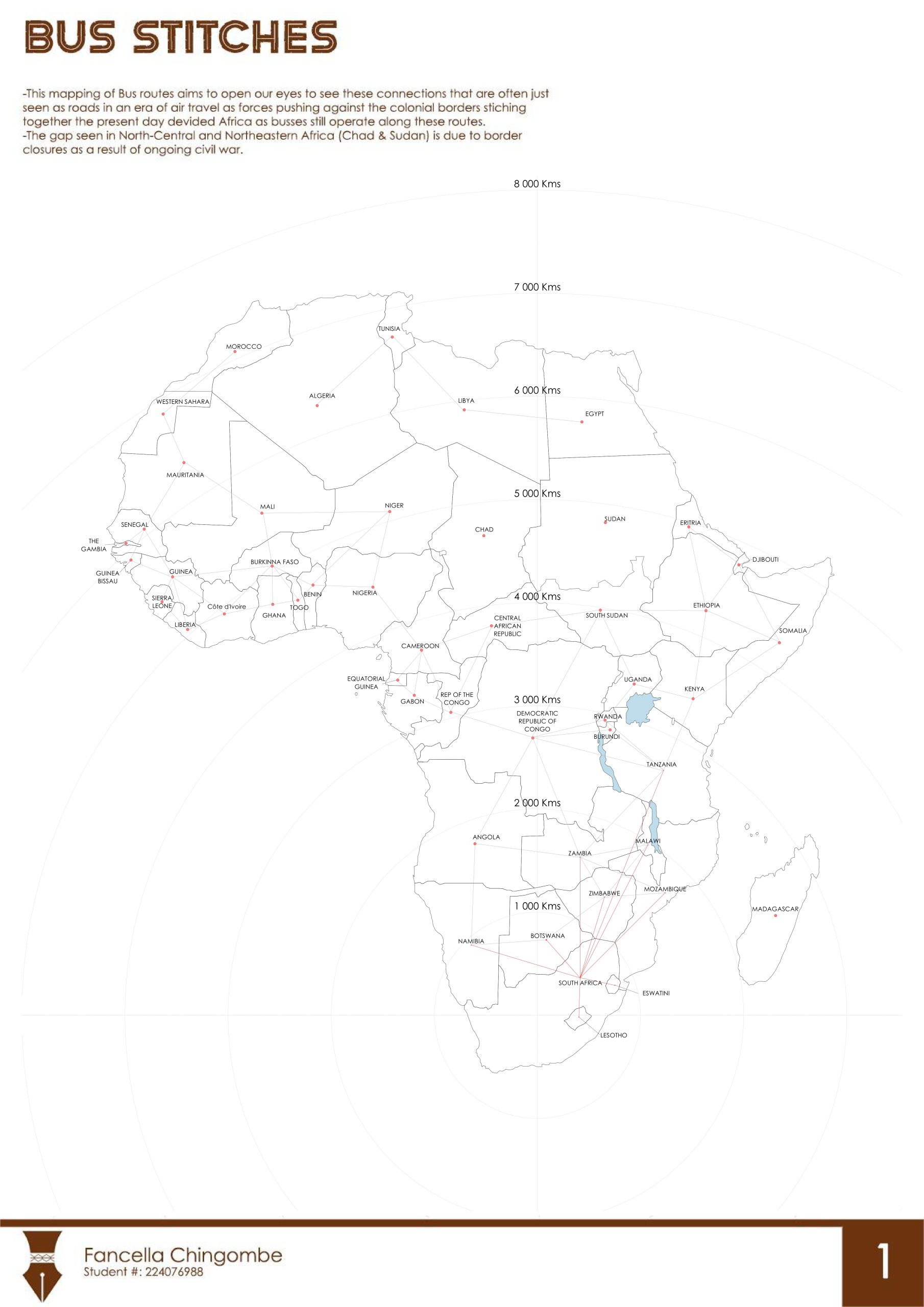
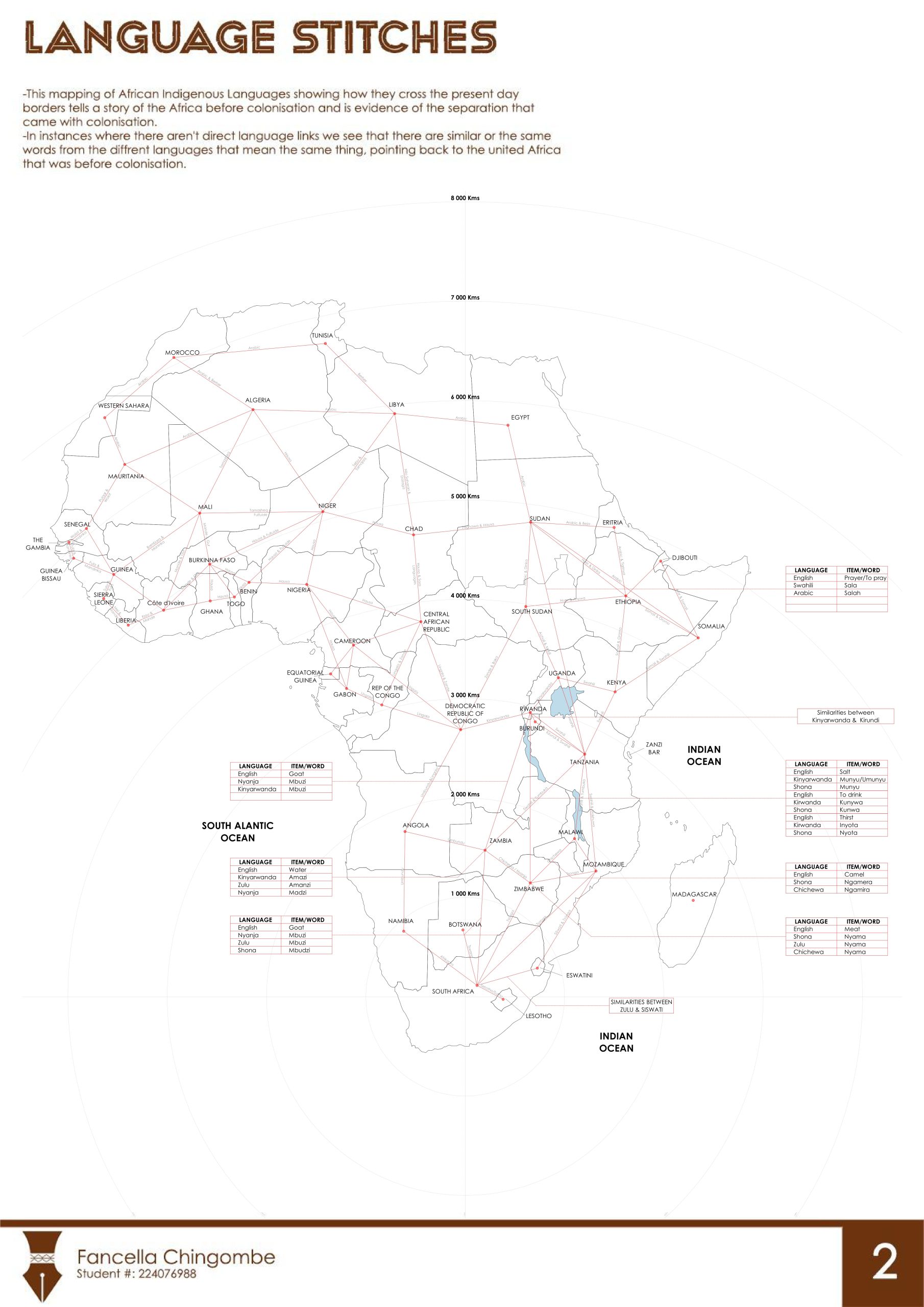
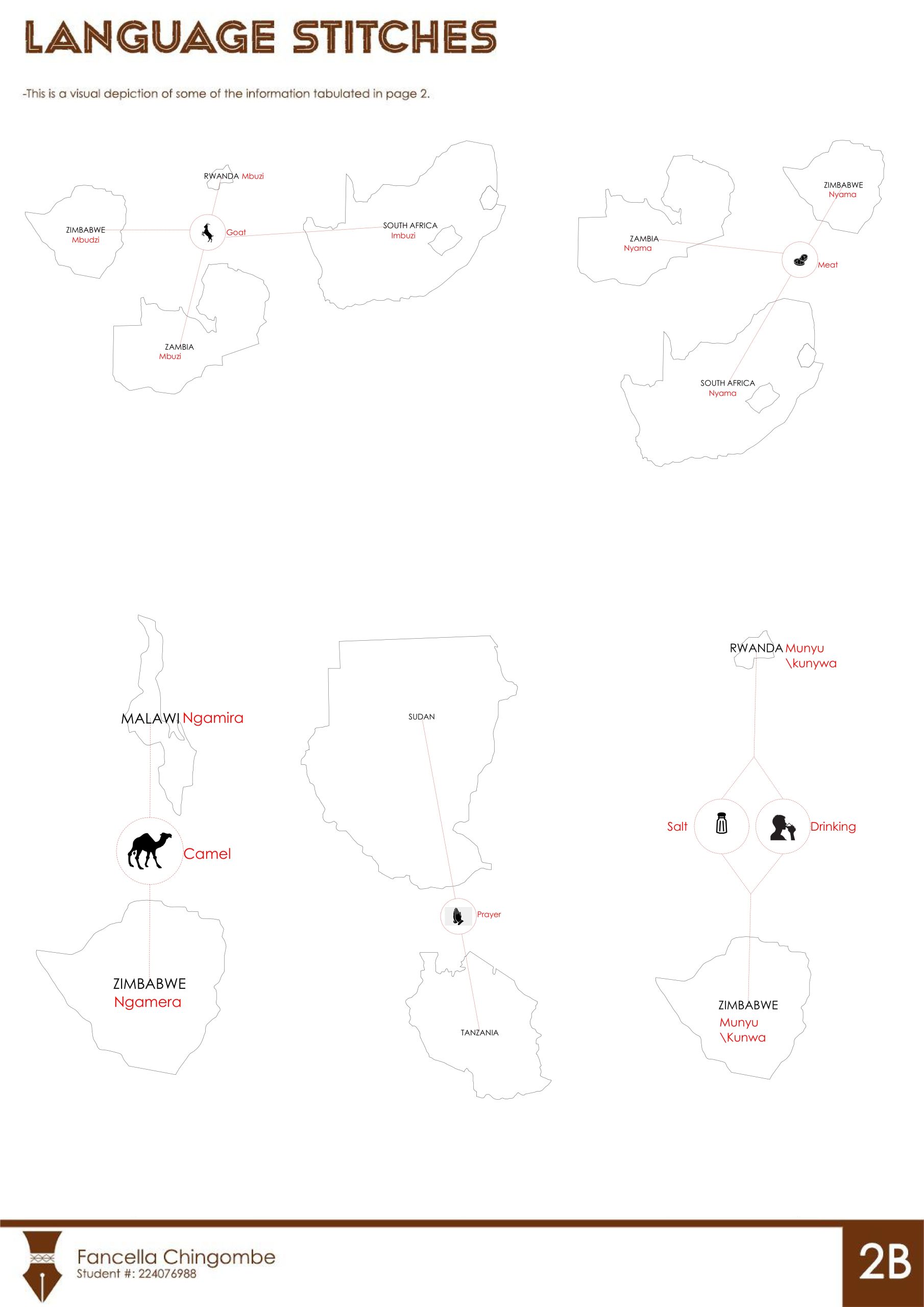
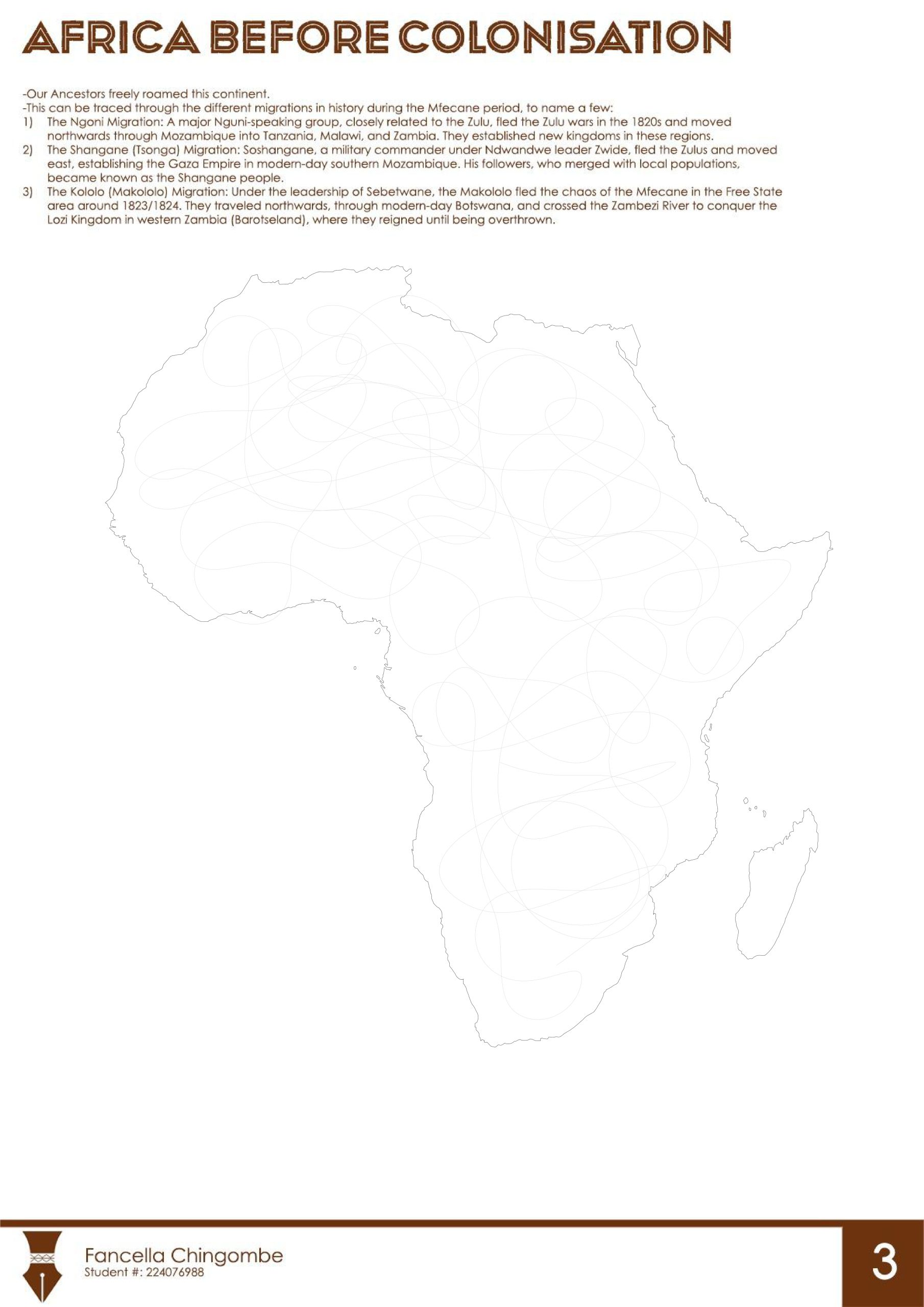
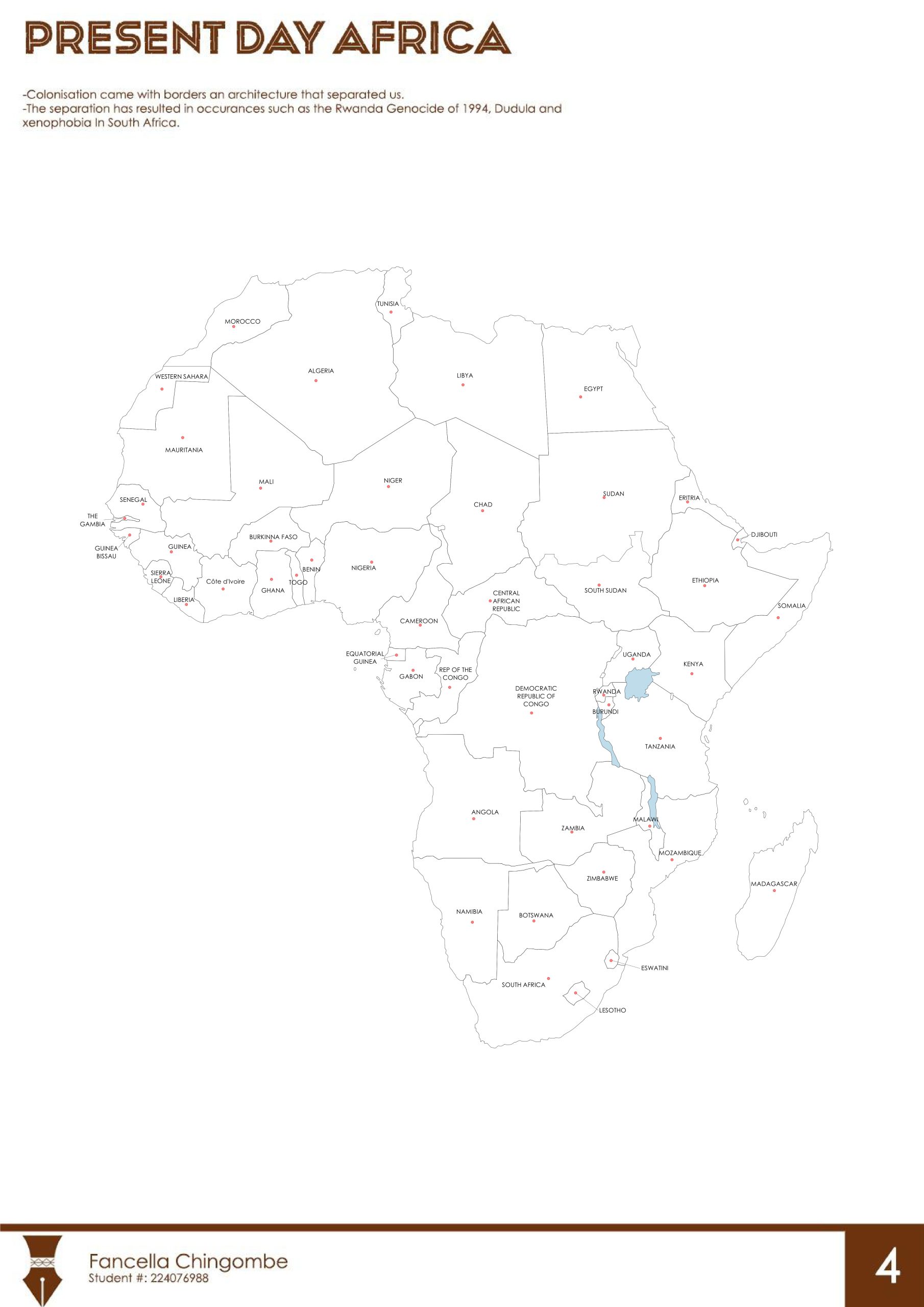
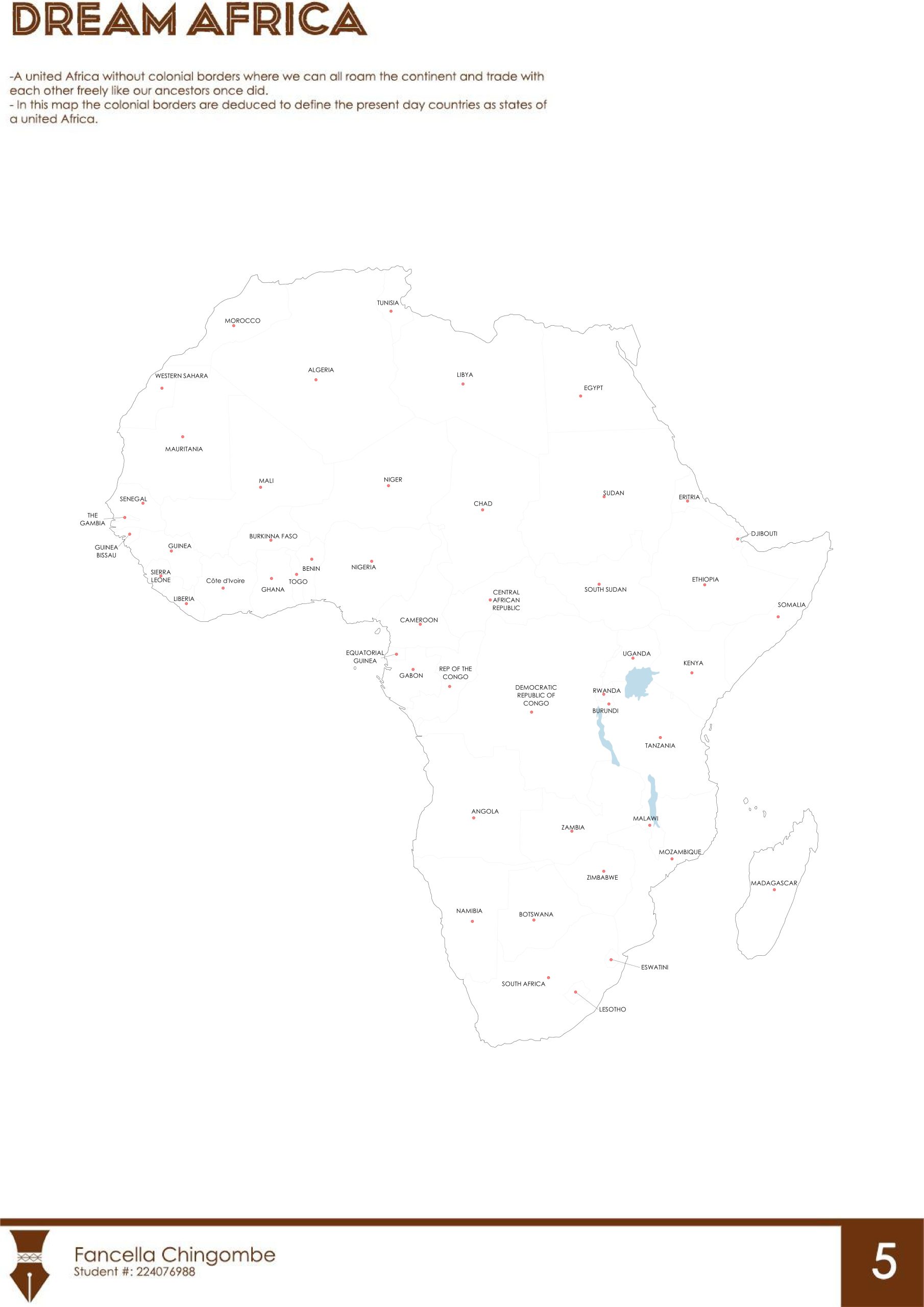
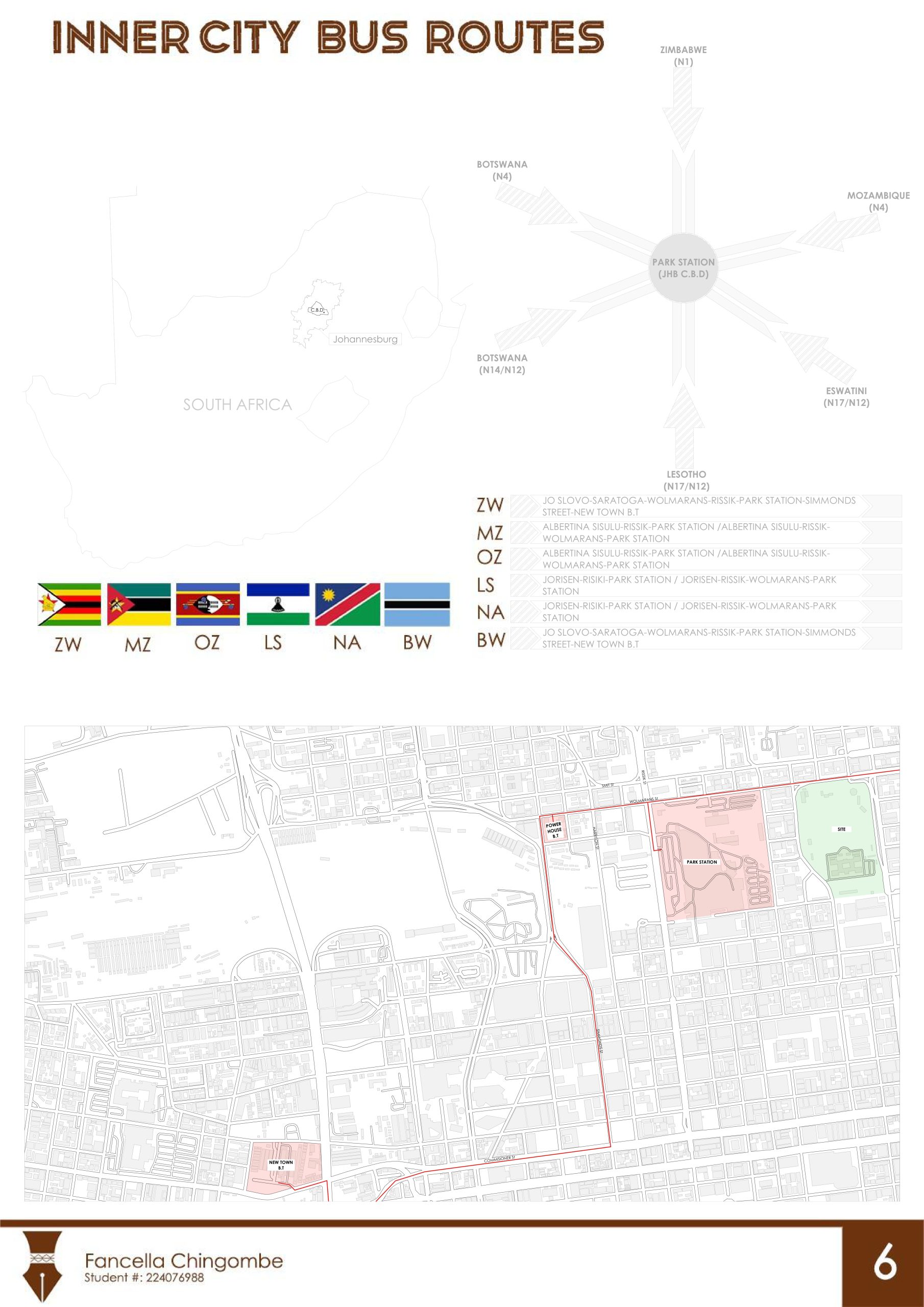
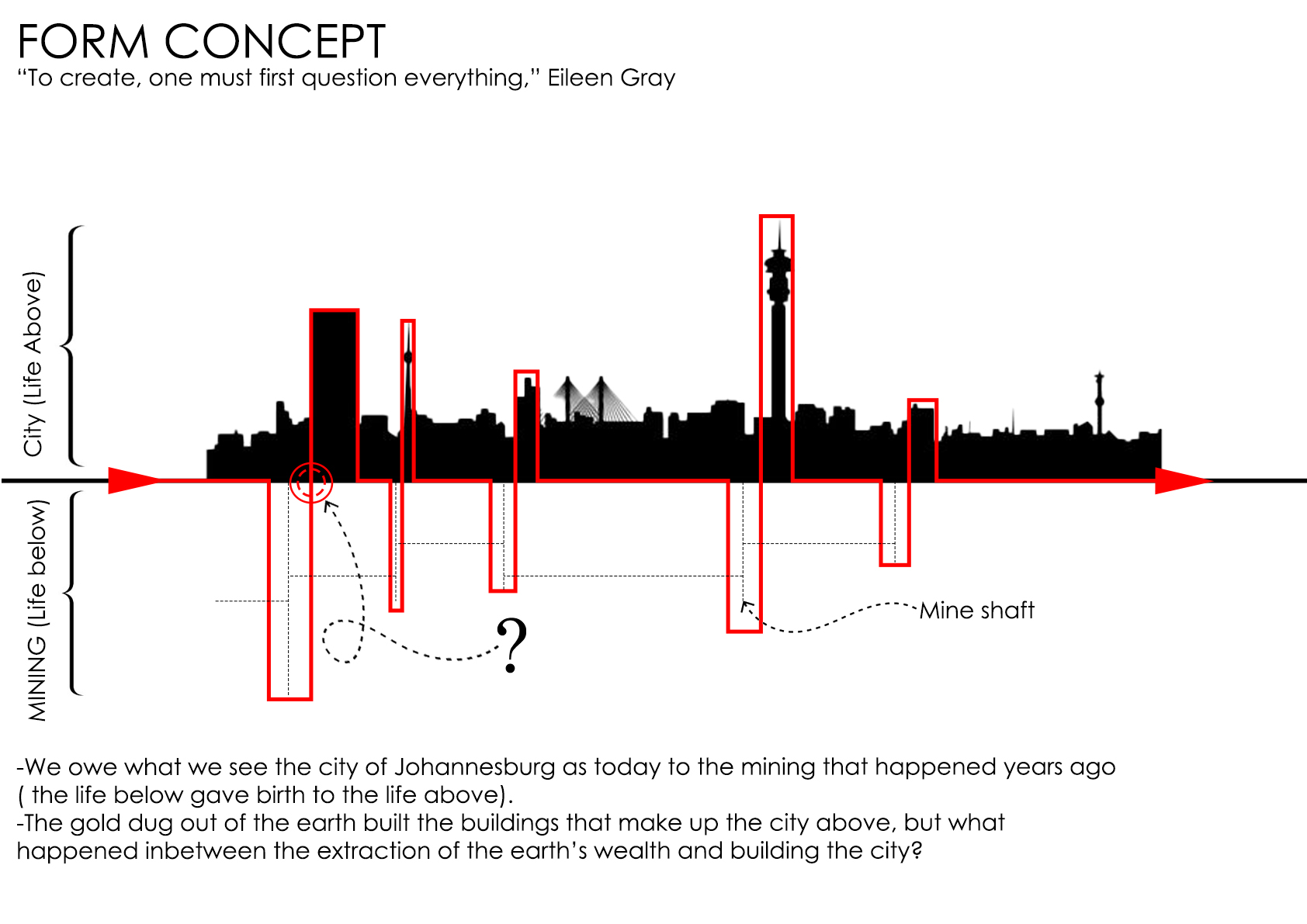
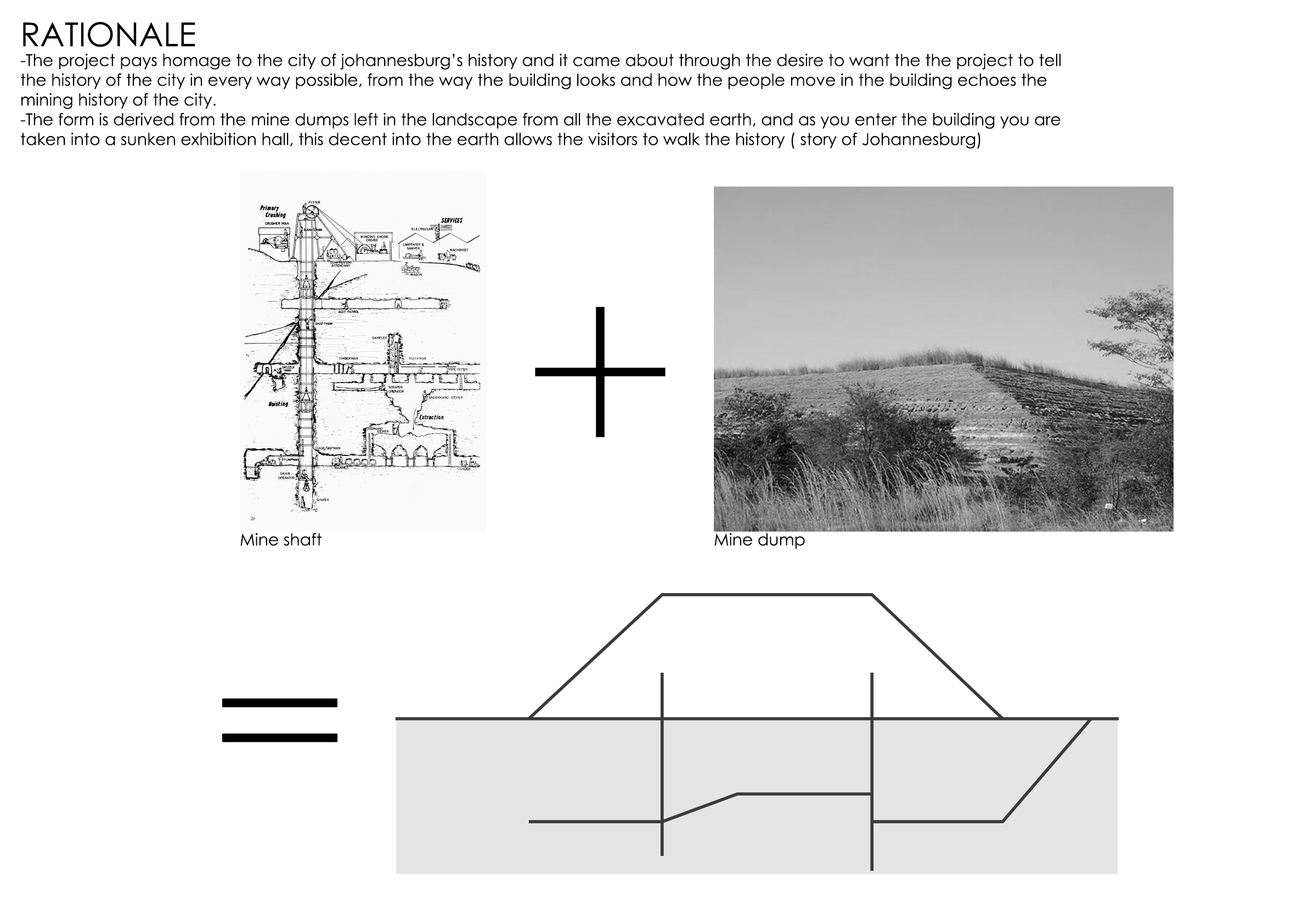
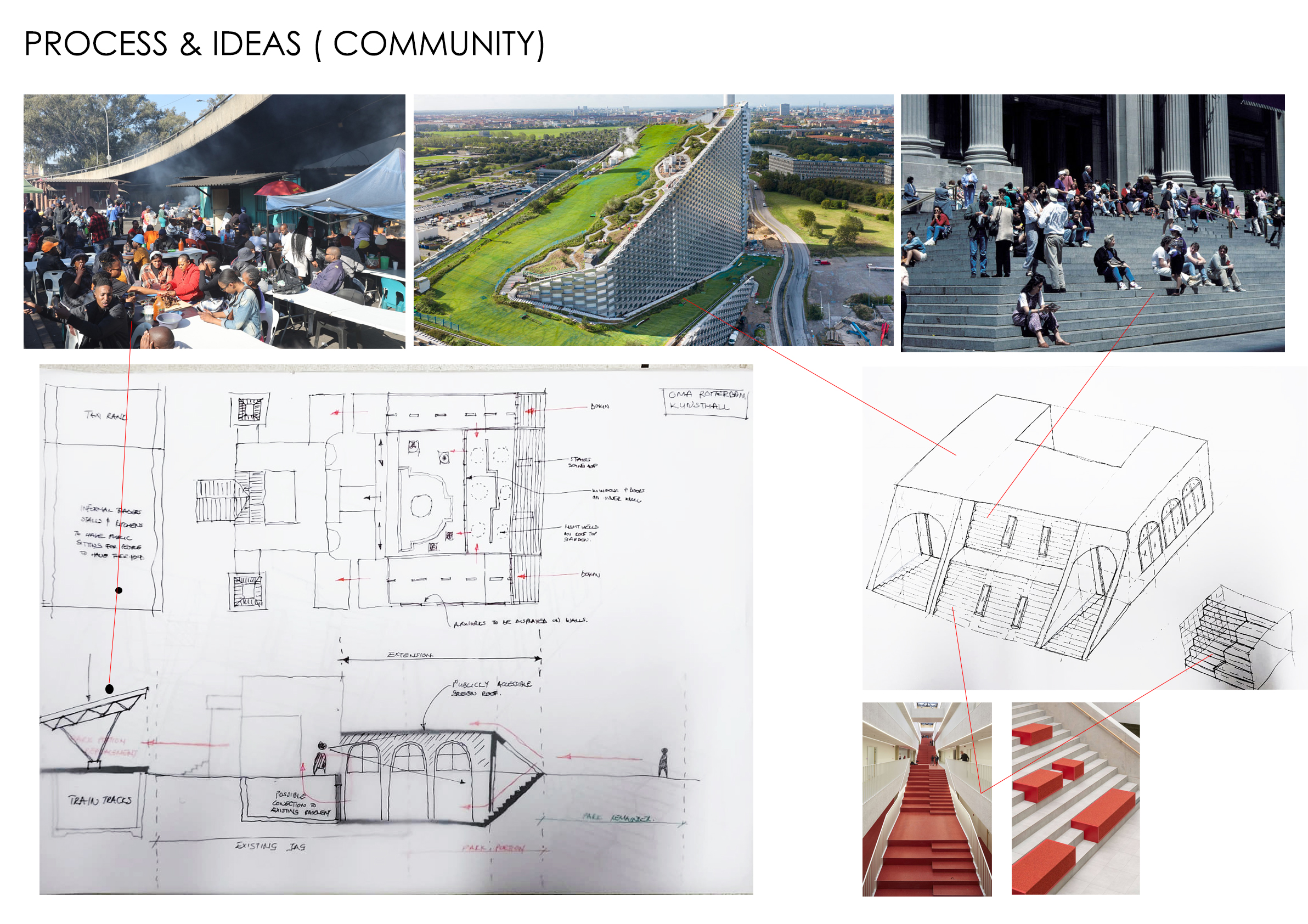
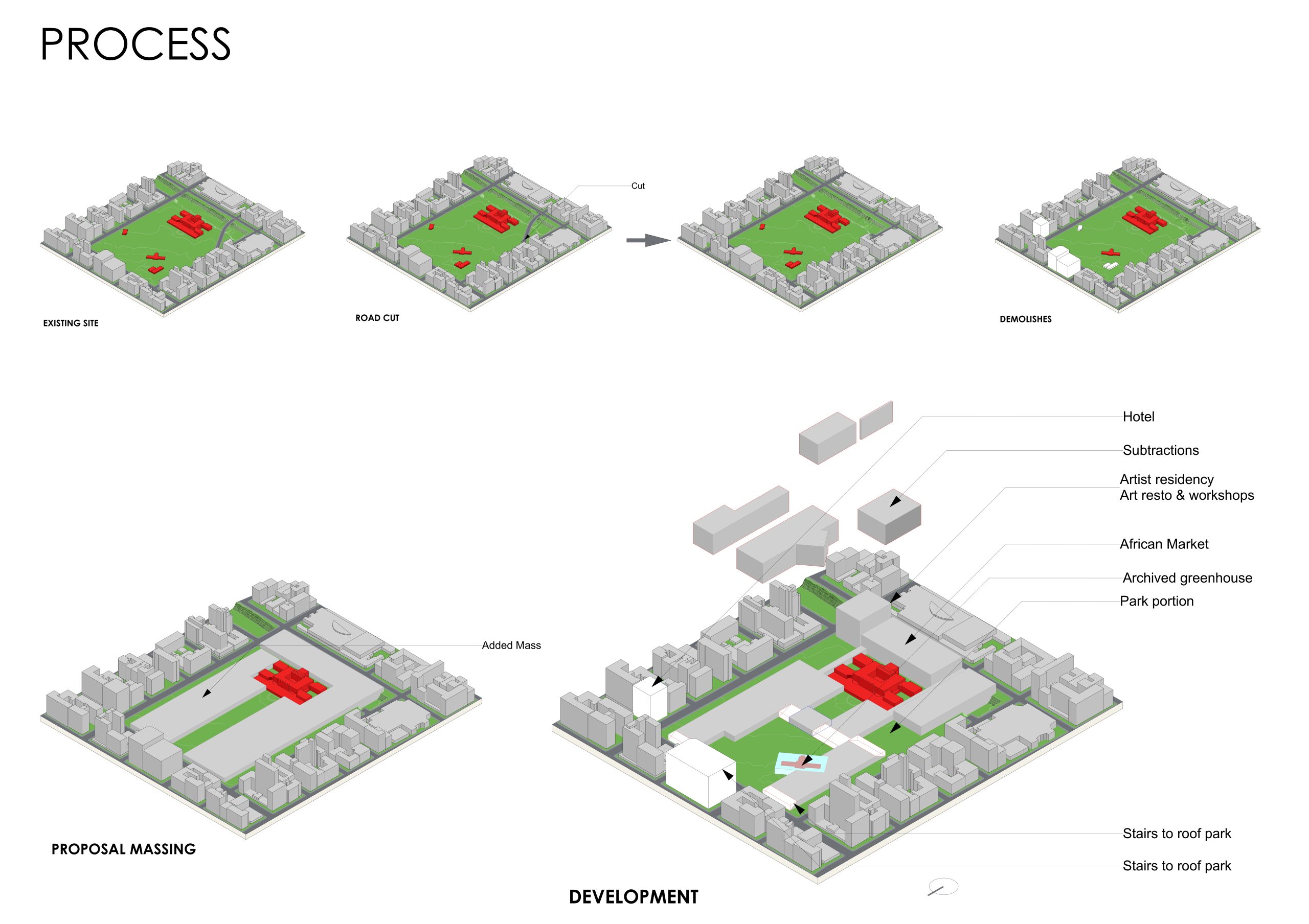
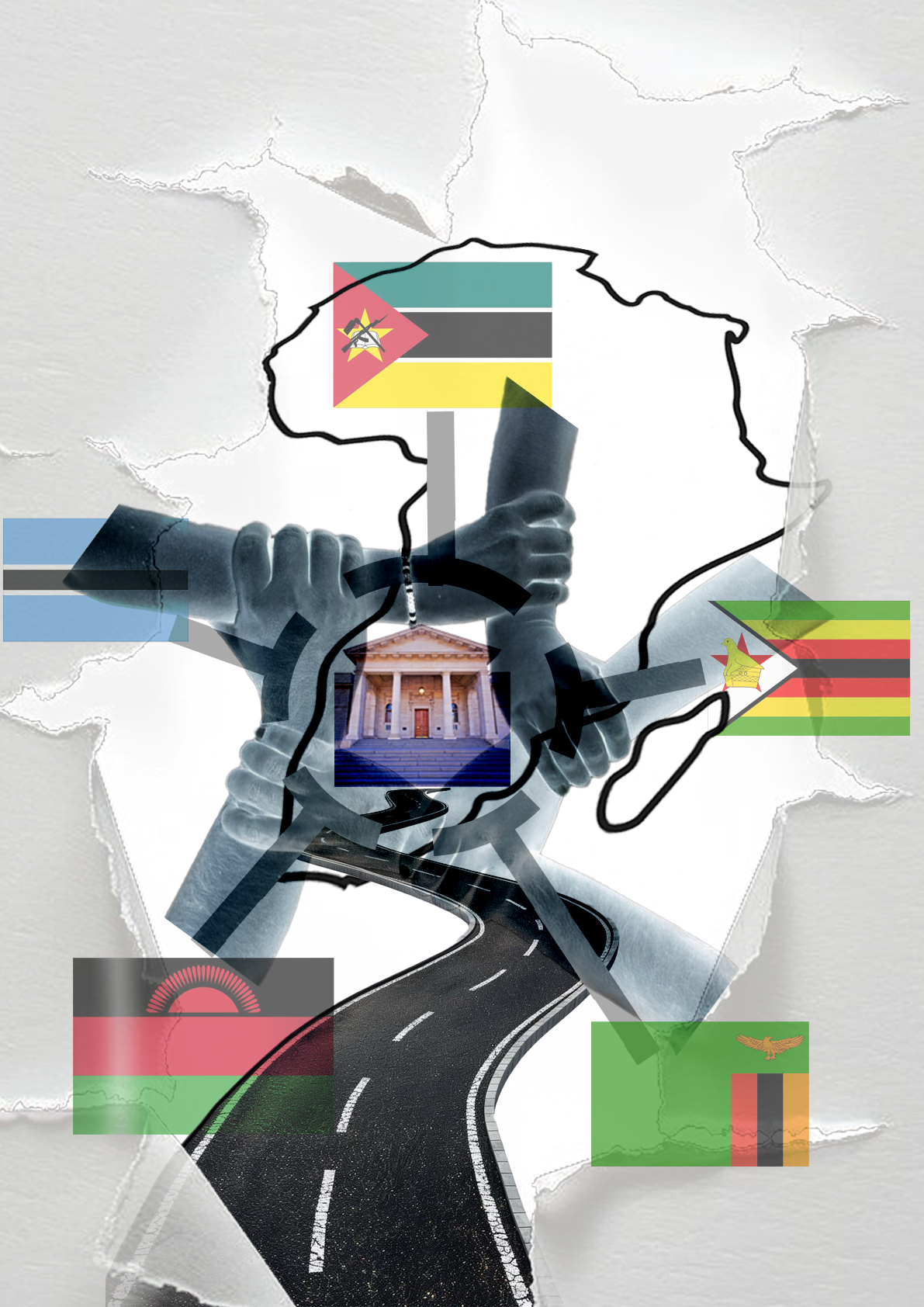
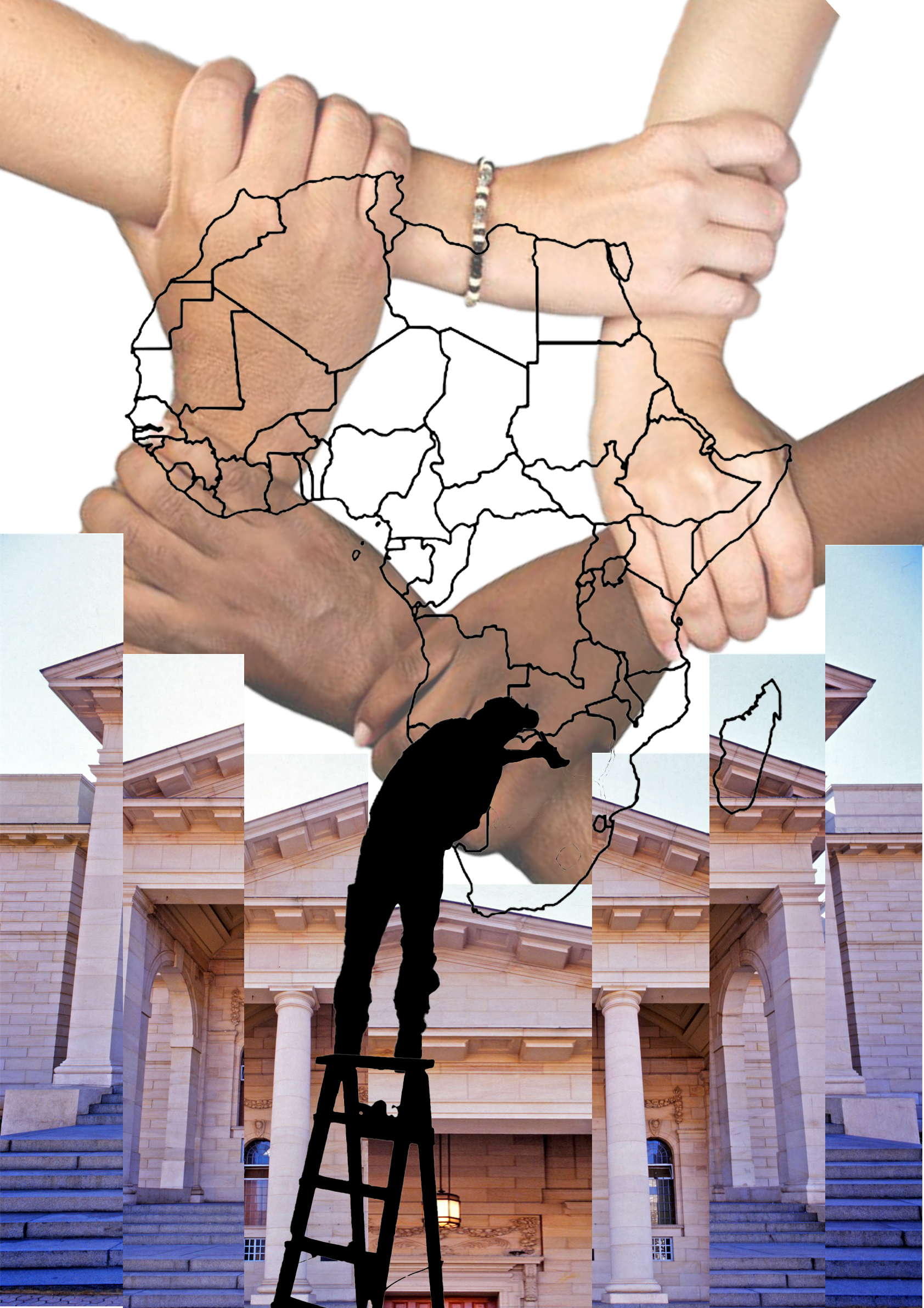
Growing up, I have always been fascinated by pan-Africanism and African geopolitics. The belief that, before colonial borders, Africa was a continent where people, cultures, and ideas moved freely. This project became an opportunity to use architecture as a tool for healing, dialogue, and unity. Located in the heart of Johannesburg, the site is crossed daily by people from many African countries, yet it also exists within a society facing increasing xenophobia and movements such as Operation Dudula. In response, I developed a series of mapping studies titled African Stitches, which explored historic migration routes and cultural connections to remind us that colonial borders divided land, not people. The resulting design reimagines the Johannesburg Art Gallery as a welcoming civic space. Rather than competing with the historic building, the new intervention wraps around it, transforming the existing gallery into an exhibit within a larger cultural landscape. The extension is partially submerged into the ground to preserve the prominence of the original JAG while creating enough space to display its entire collection. Its roof becomes an extension of Joubert Park, restoring the relationship that was originally intended between the gallery and the park and encouraging people to engage with the museum as part of everyday urban life. The project extends beyond art galleries. A bus terminus, hotel, African market, craft market, and artist residency create opportunities for people from different countries to meet, exchange ideas, and celebrate their shared heritage. By placing informal markets alongside formal exhibition spaces, the design challenges the perception that art belongs only to elite institutions. Instead, it presents culture as something that exists in both galleries and everyday life. Ultimately, the project seeks to remind visitors that, despite the borders that separate us today, we share one African story, and architecture can become a powerful instrument for connection, belonging, and reconciliation.