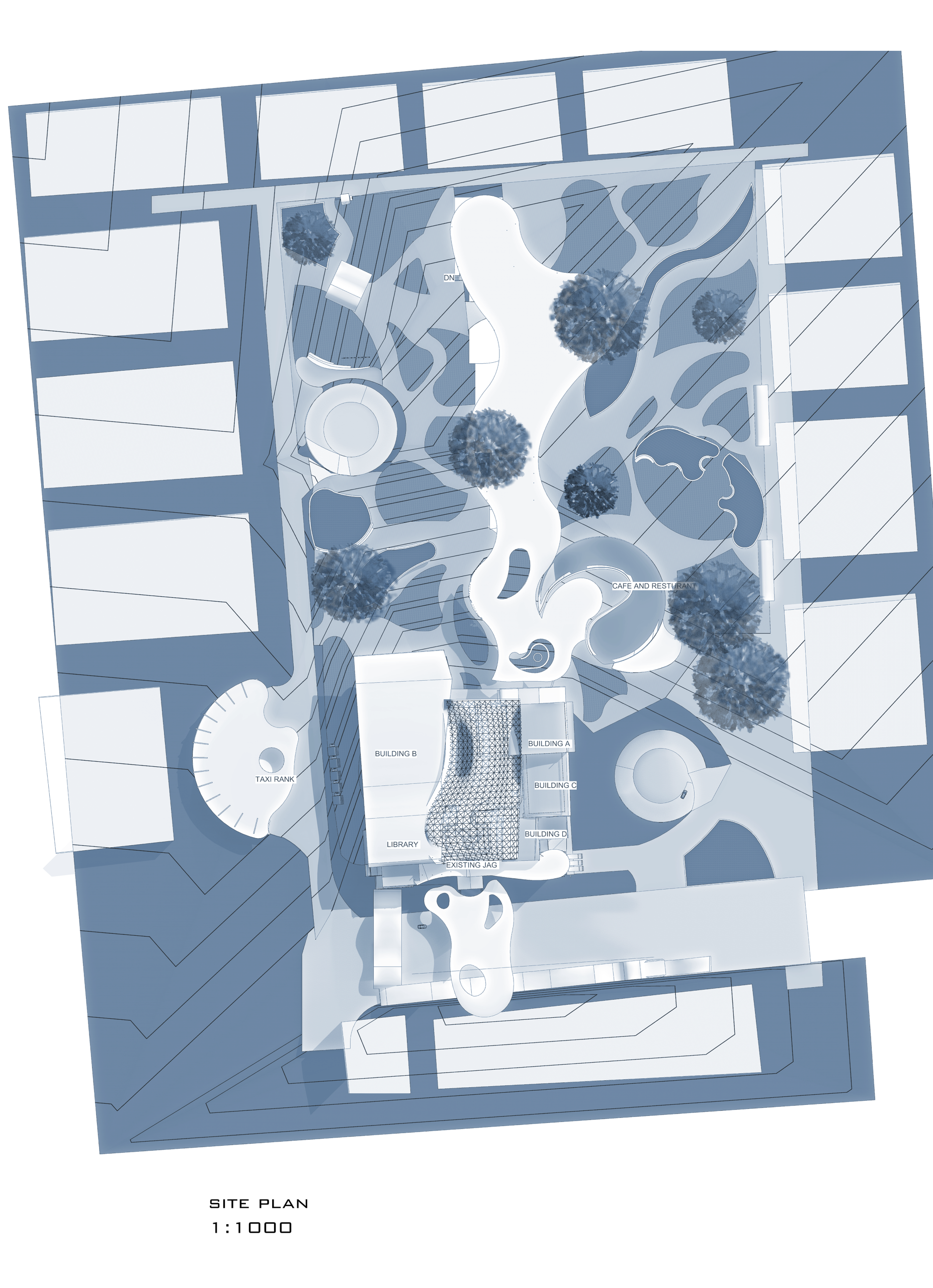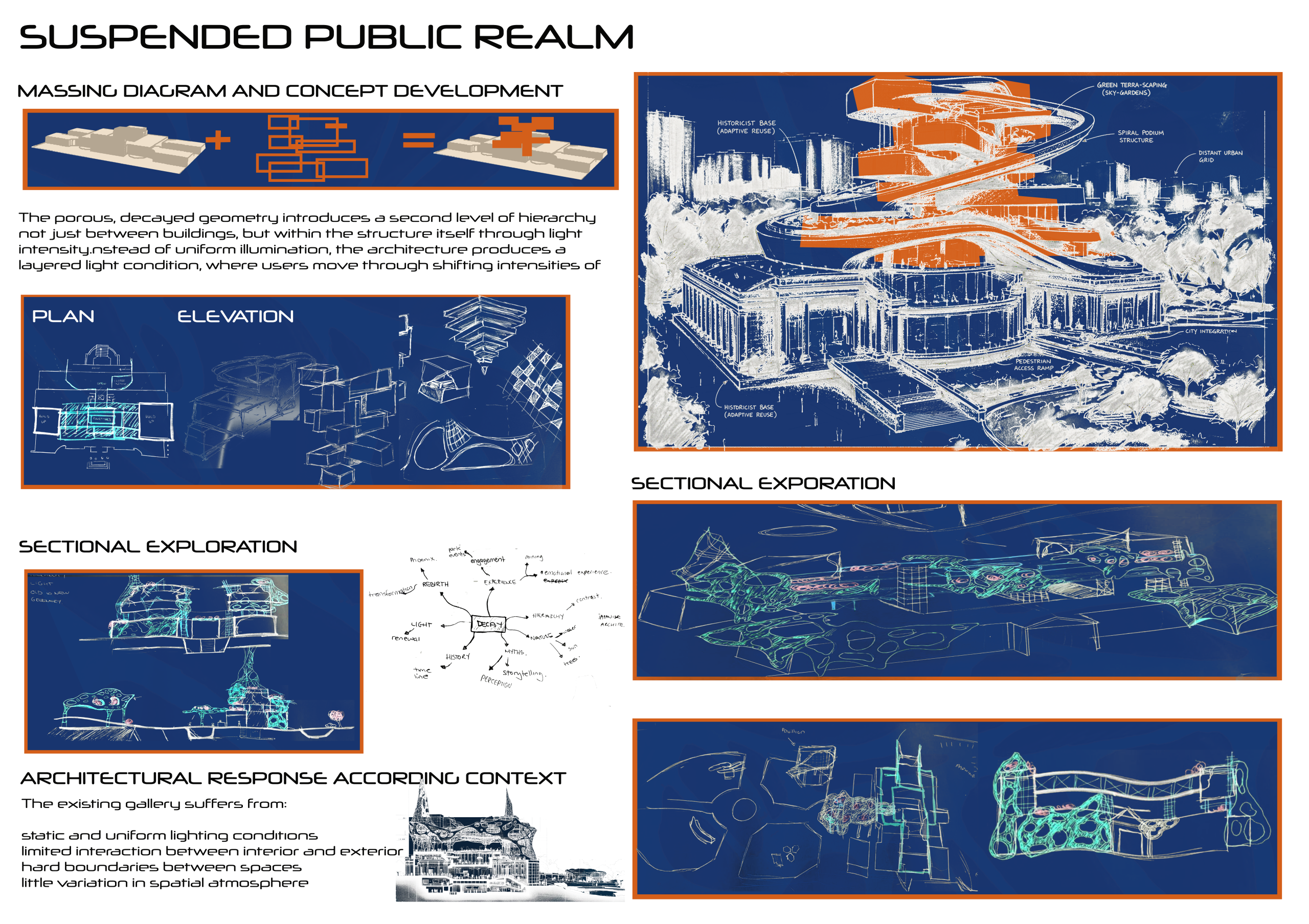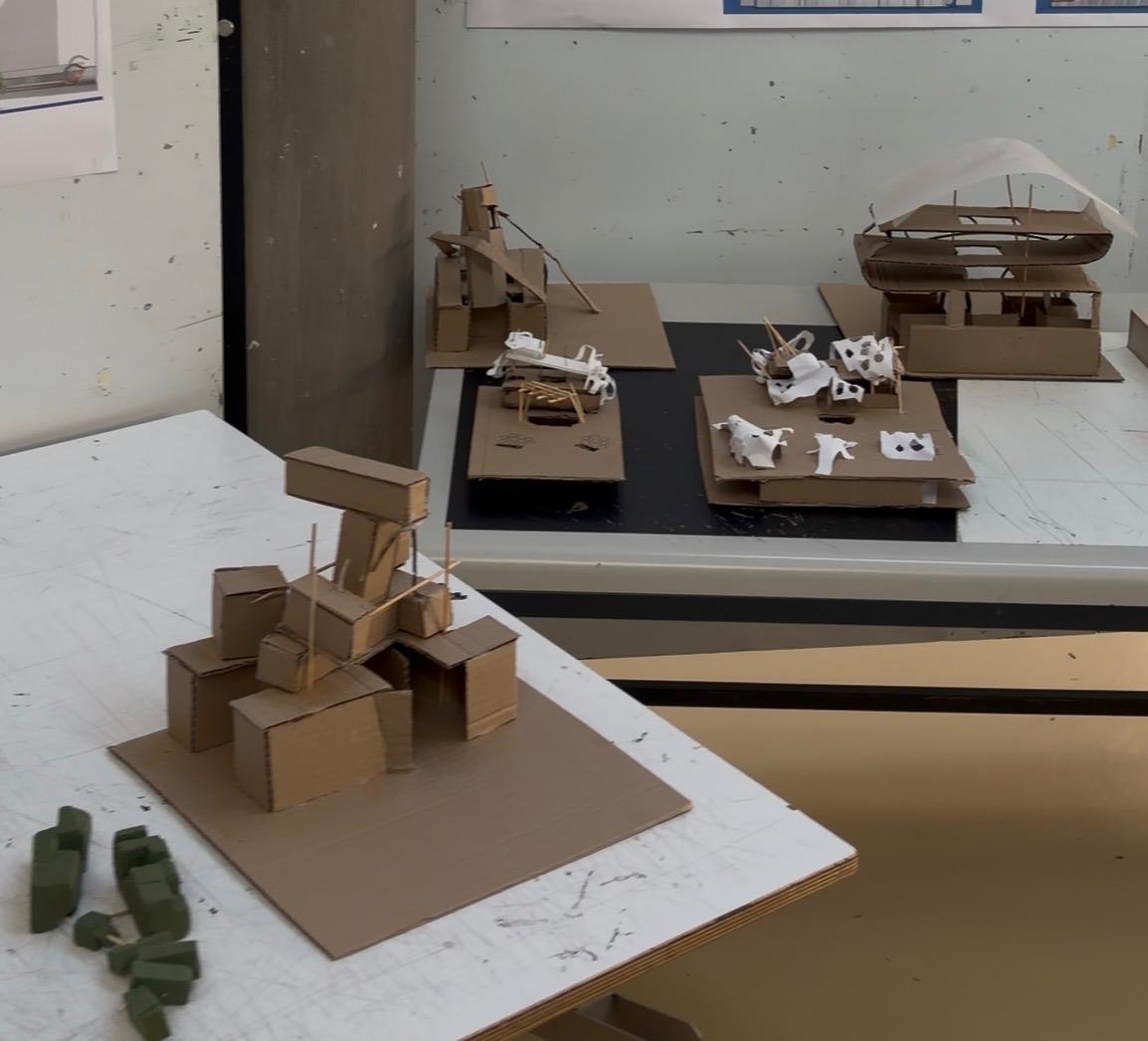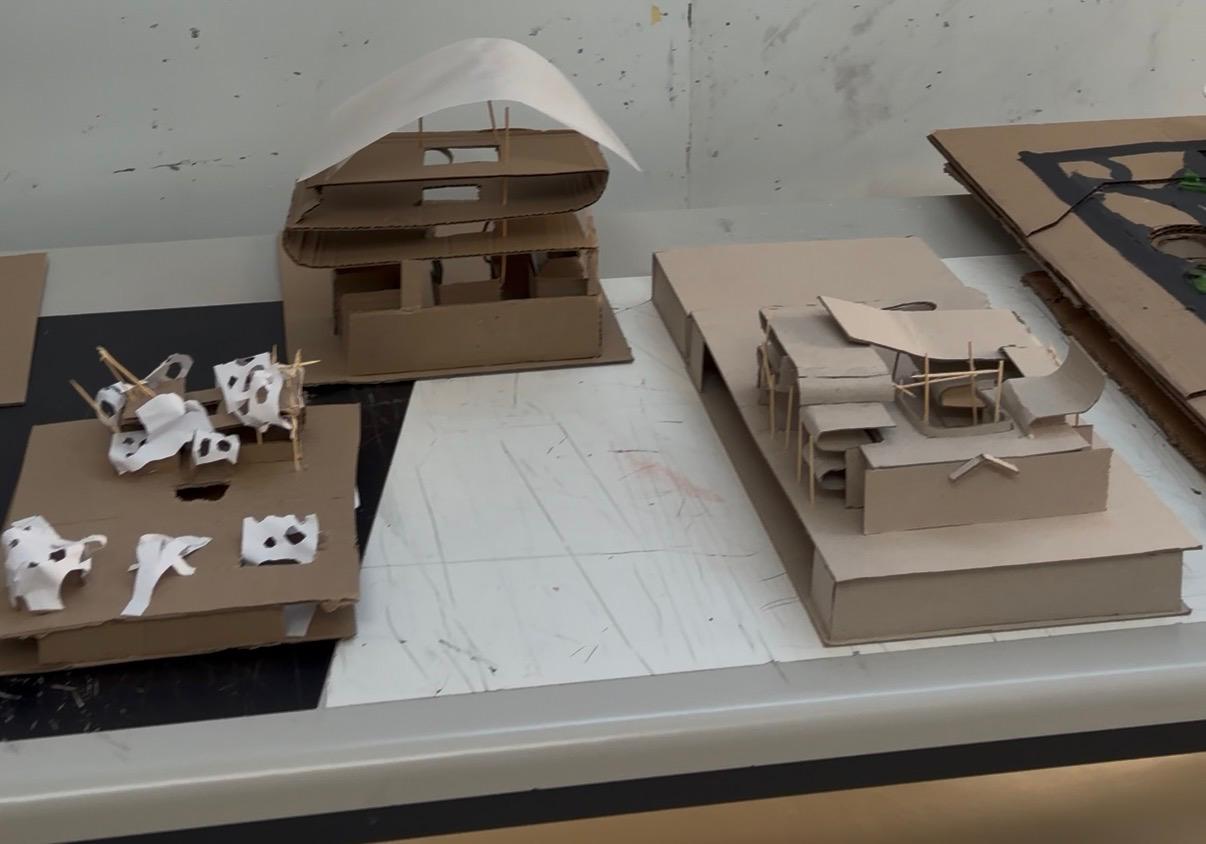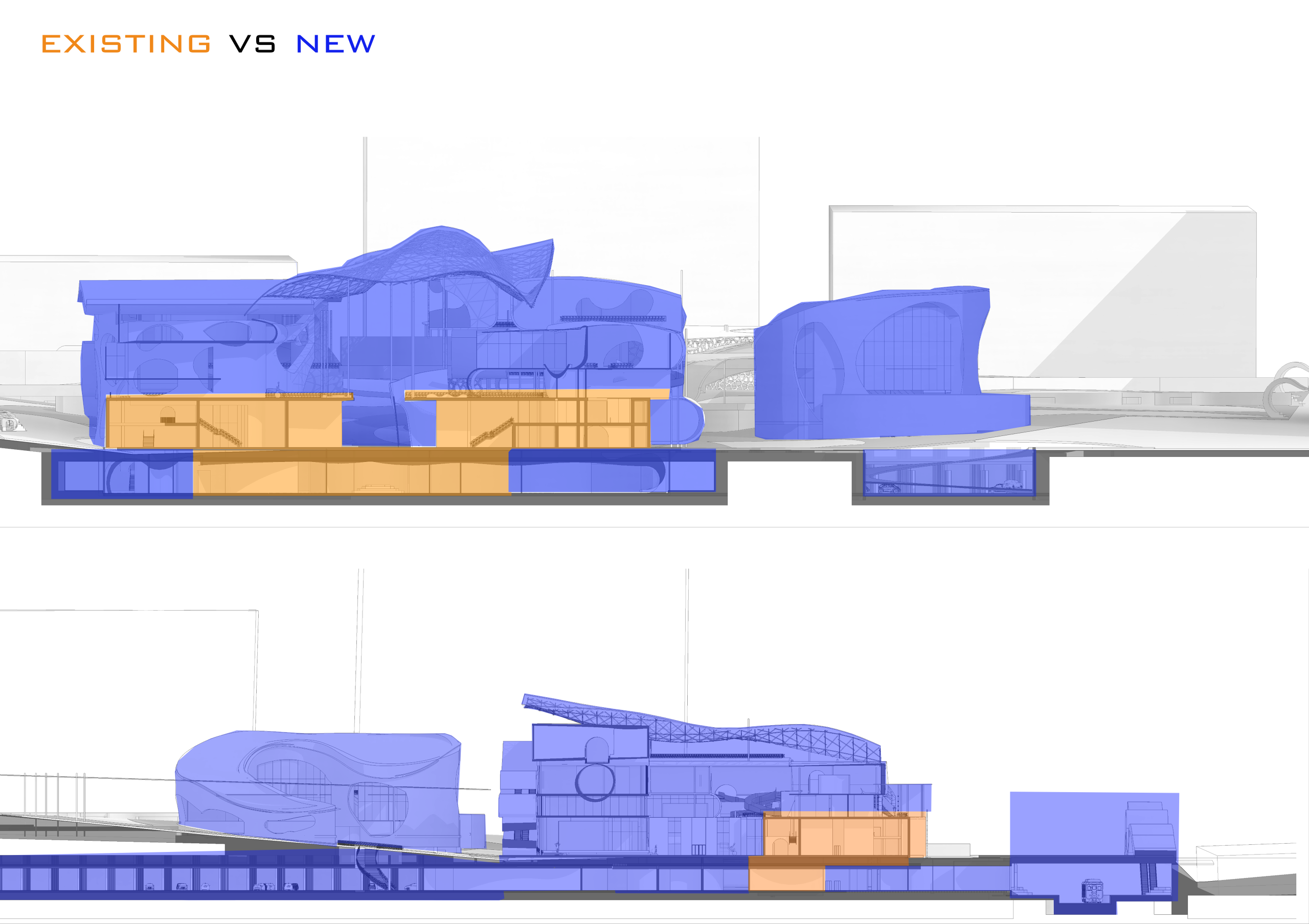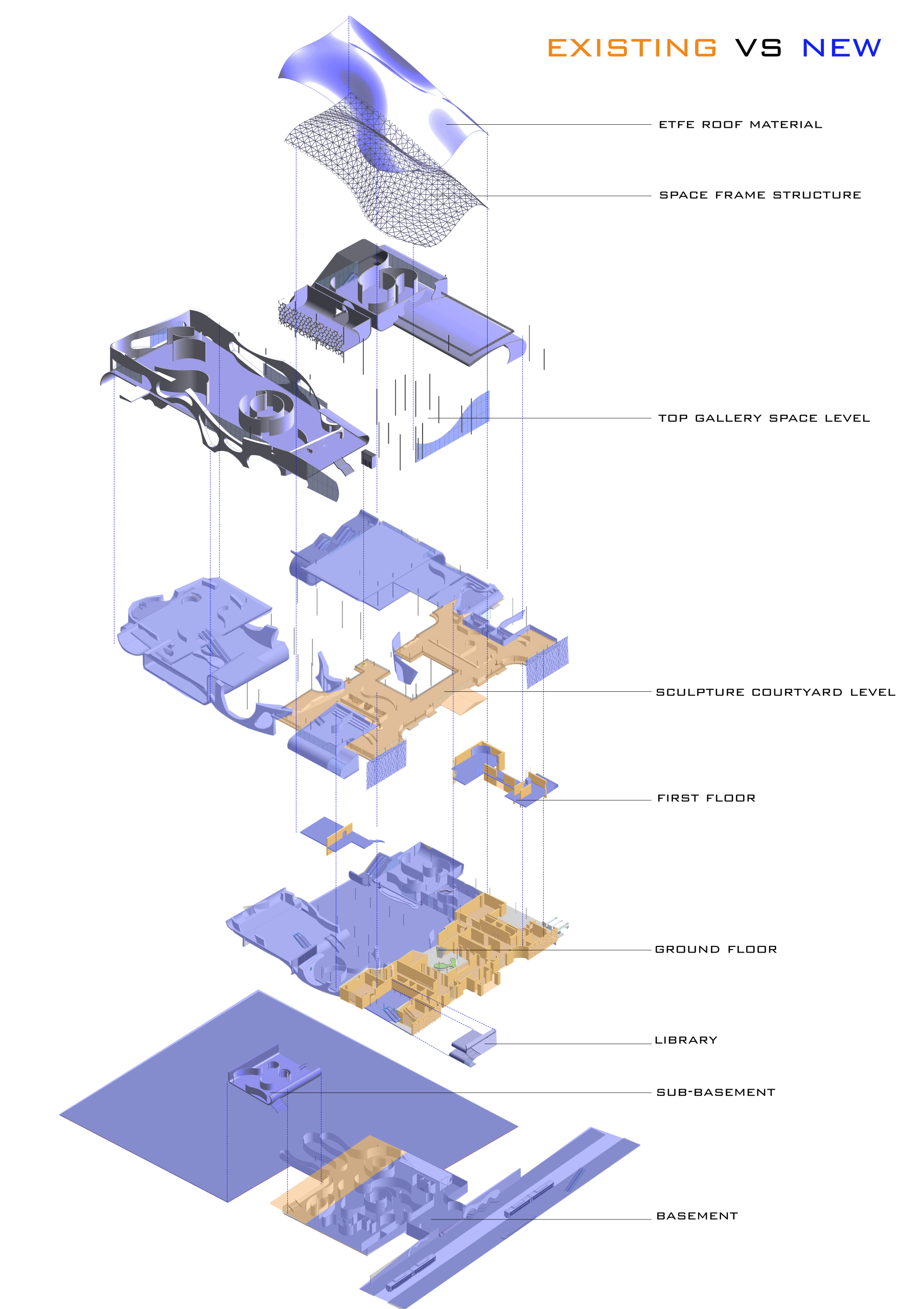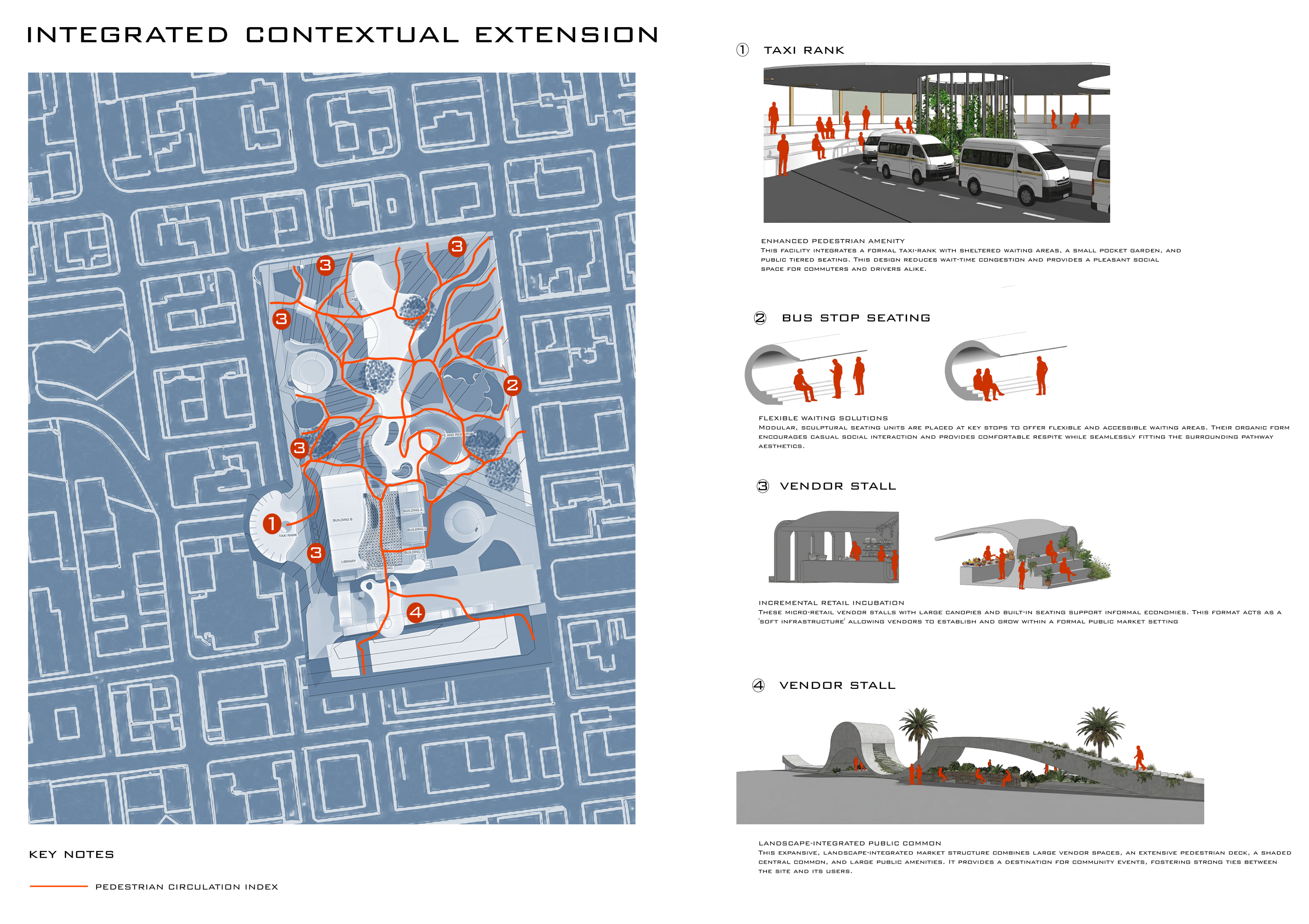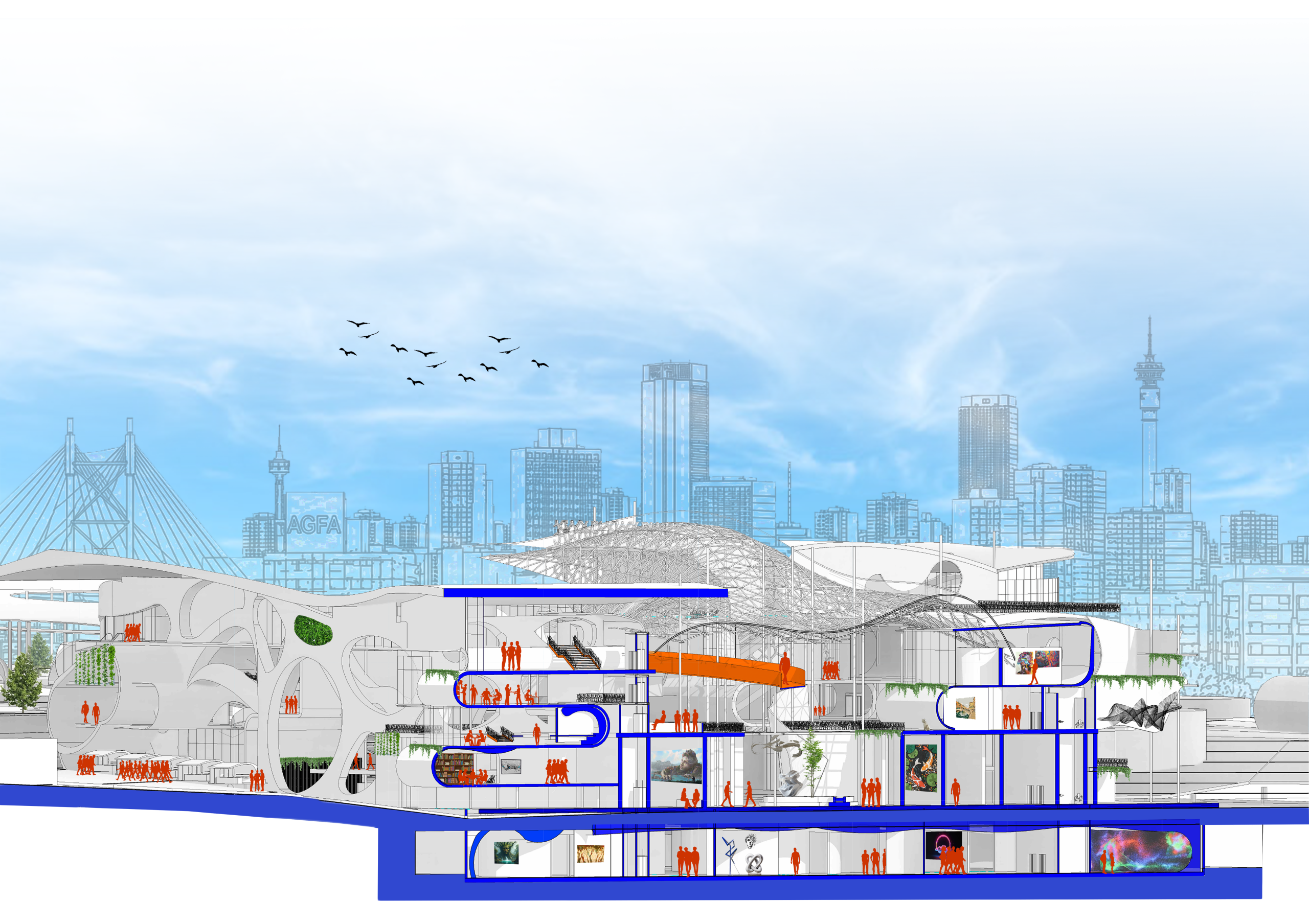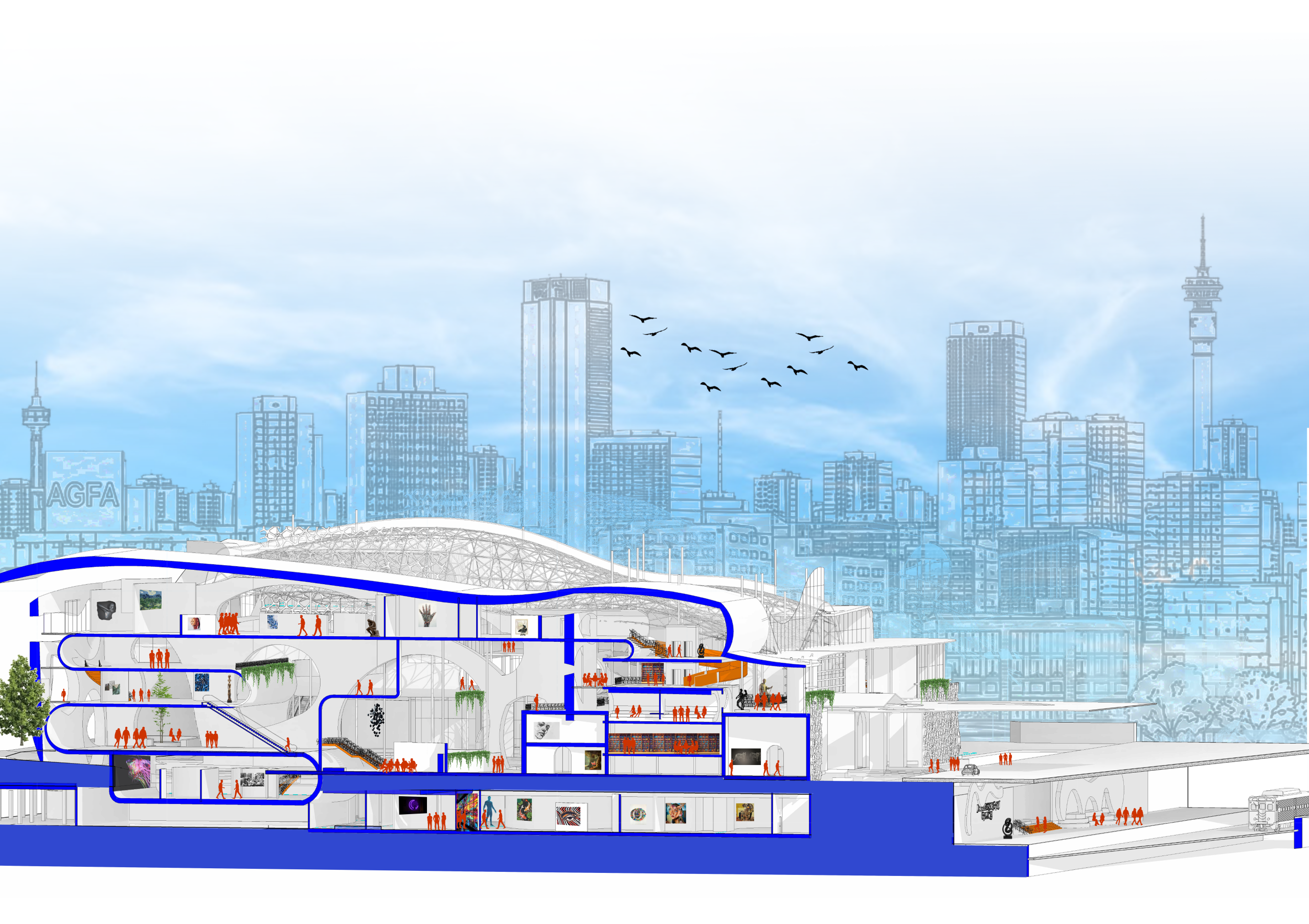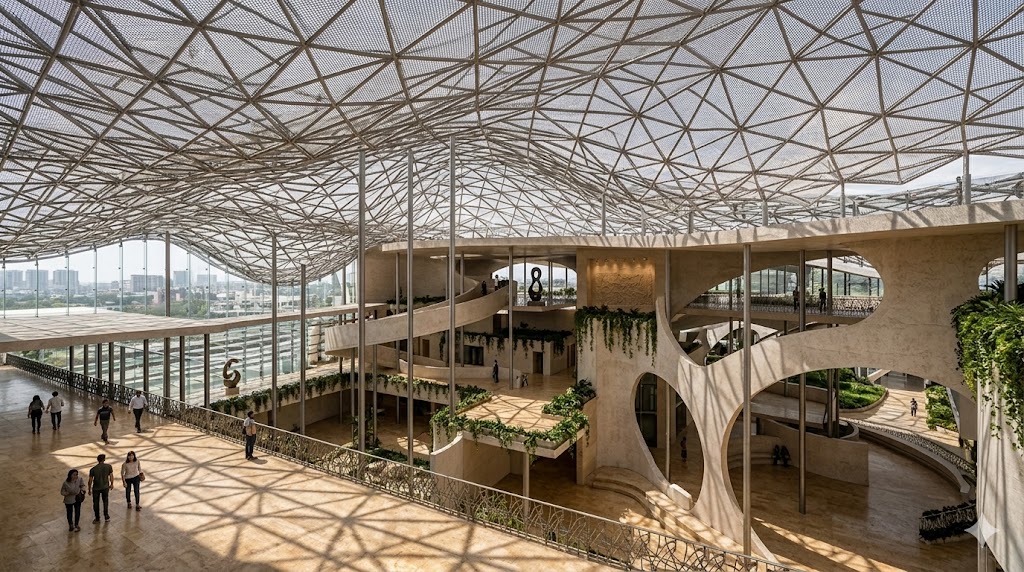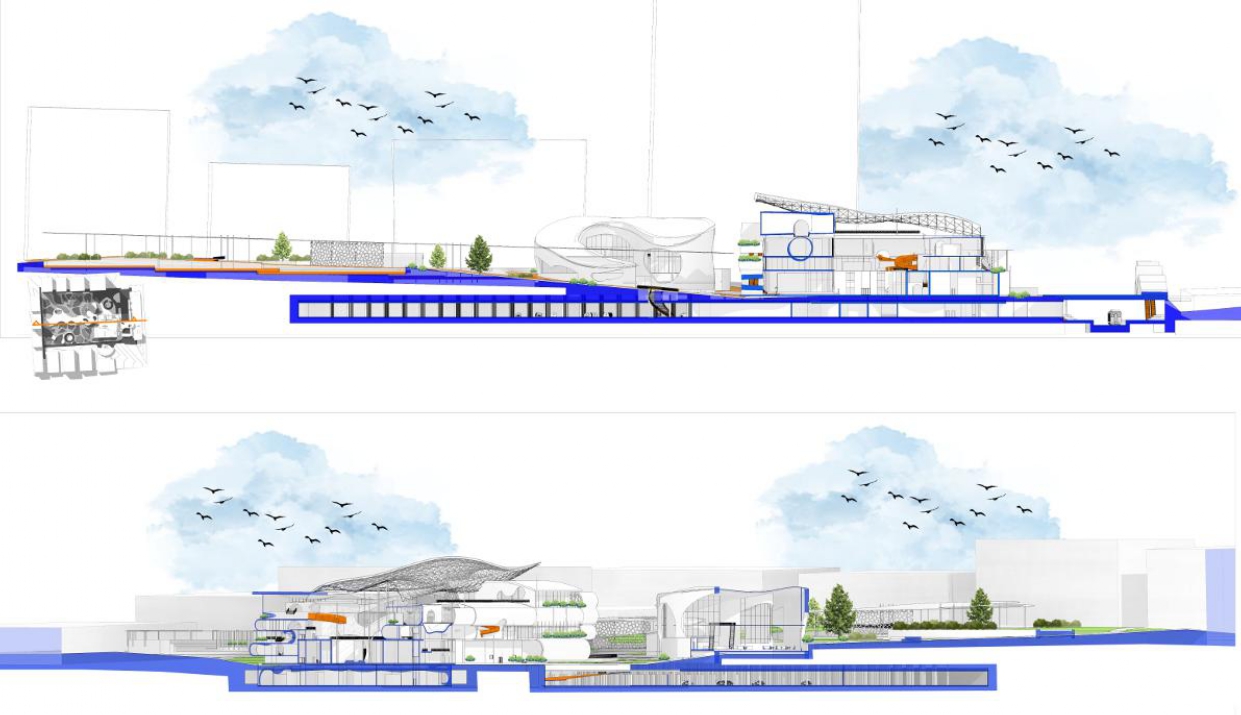
This project proposes a contemporary extension to the Johannesburg Art Gallery (JAG) that reimagines the relationship between heritage, architecture and nature. Rather than restoring or replicating the existing building, the design embraces the concept of decay as transformation, viewing deterioration as an opportunity for renewal and growth. The extension functions as a living bridge and symbiotic intervention, attaching itself to the historic gallery while respecting its cultural significance.
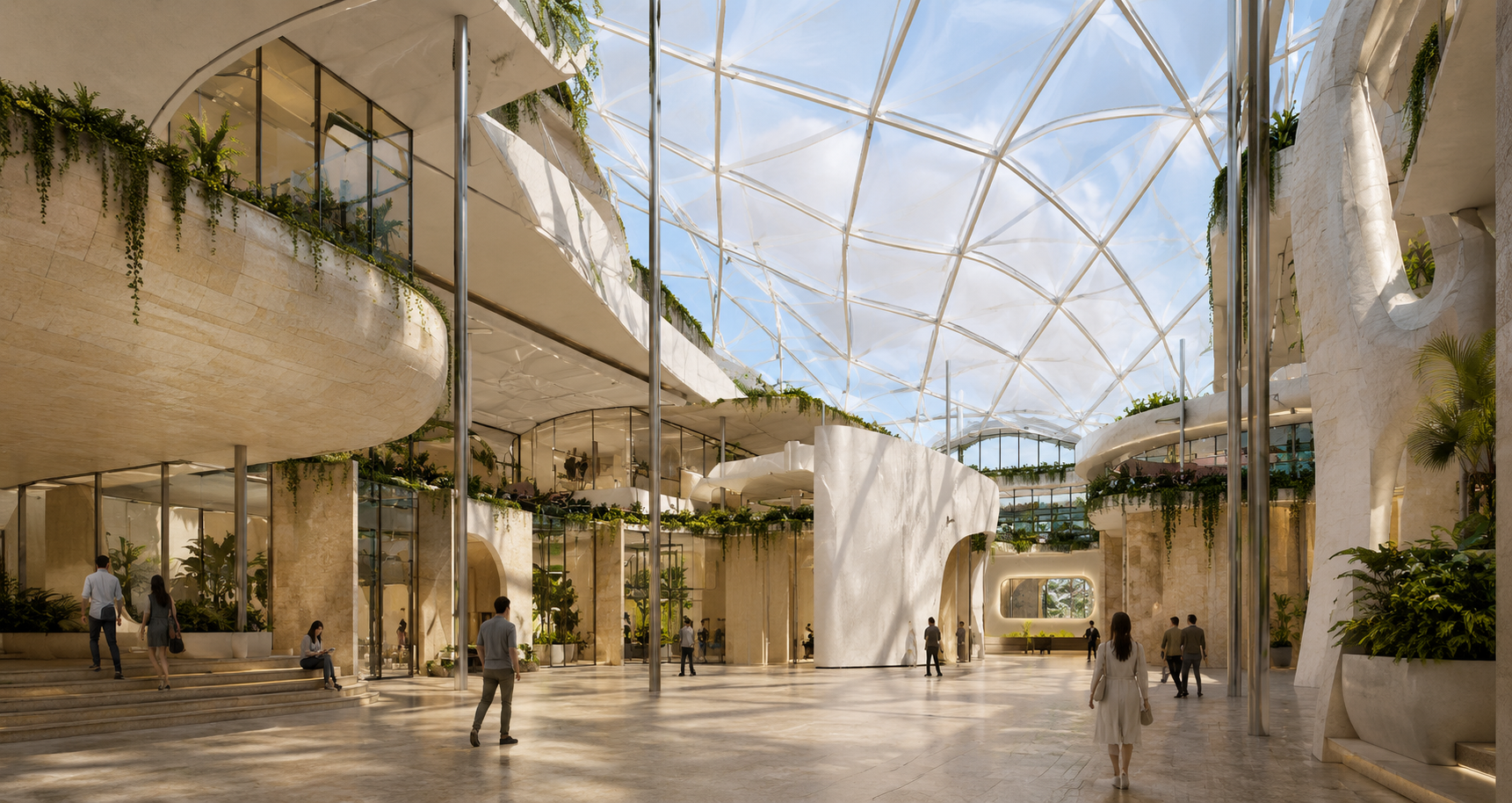
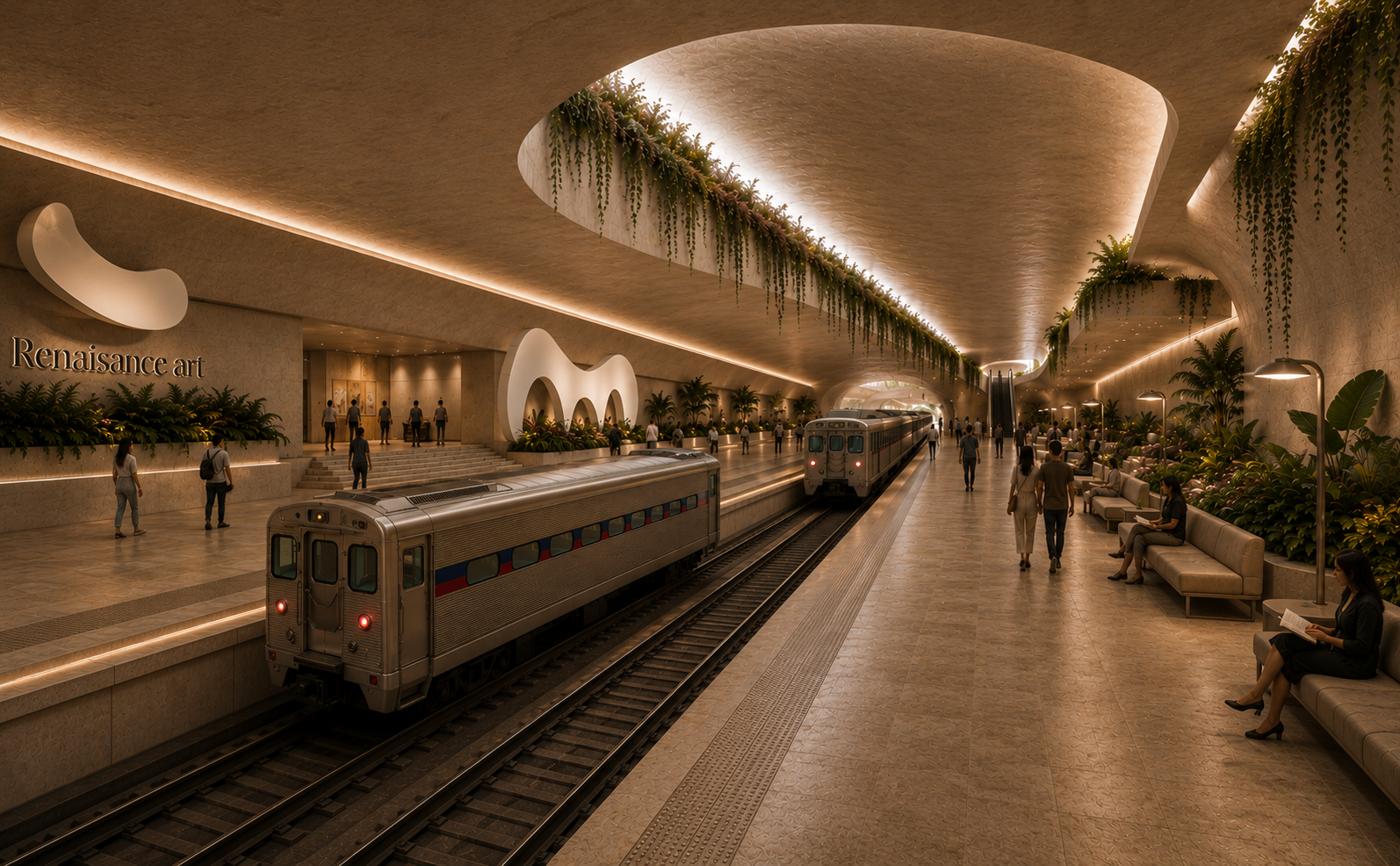
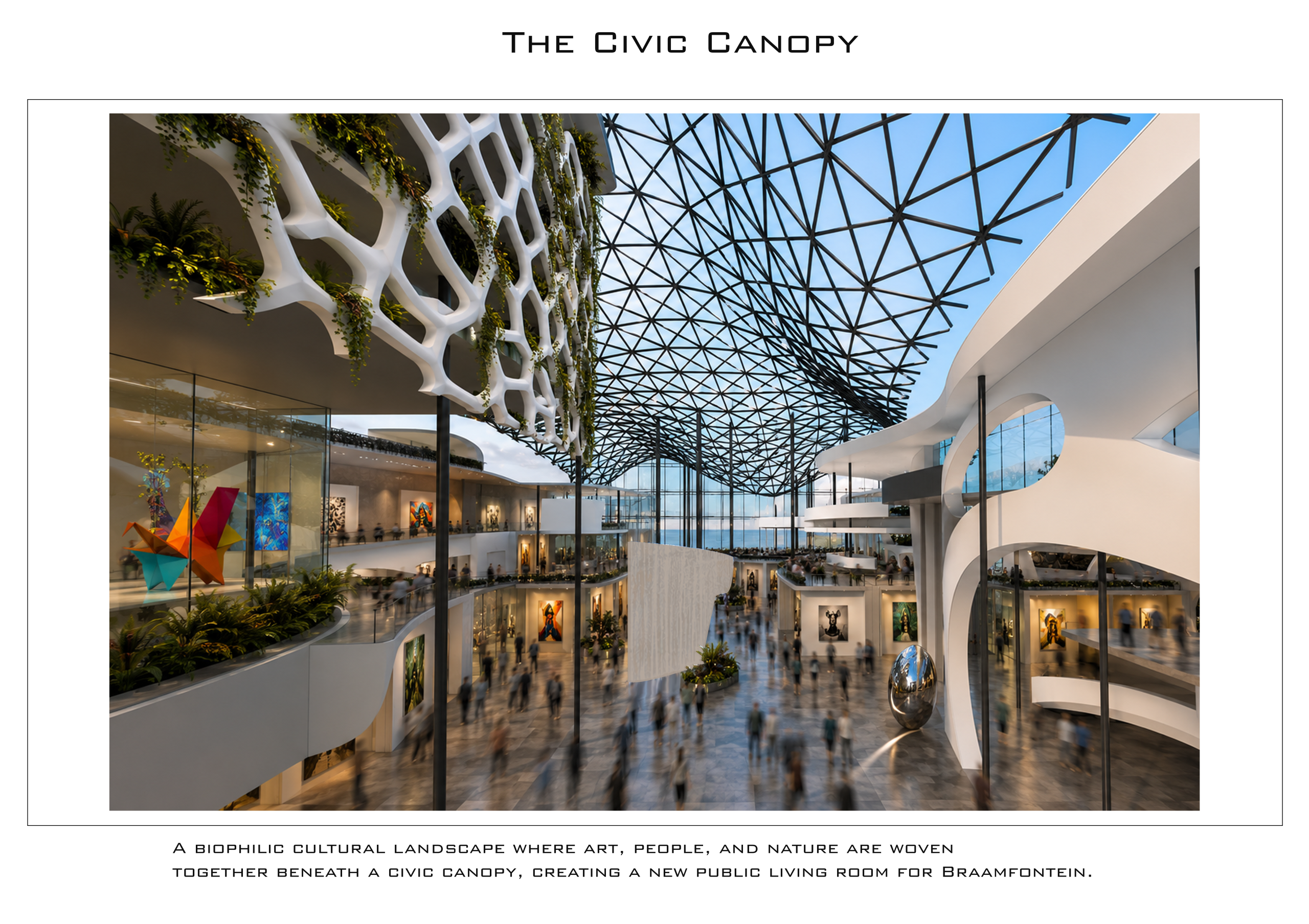
Inspired by the layered urban fabric of Braamfontein, the project explores themes of resilience, adaptation and regeneration through flowing architectural forms, interconnected public spaces and biophilic design strategies. Green terraces, planted bridges and integrated vegetation blur the boundary between the built and natural environment, creating spaces that evolve over time.
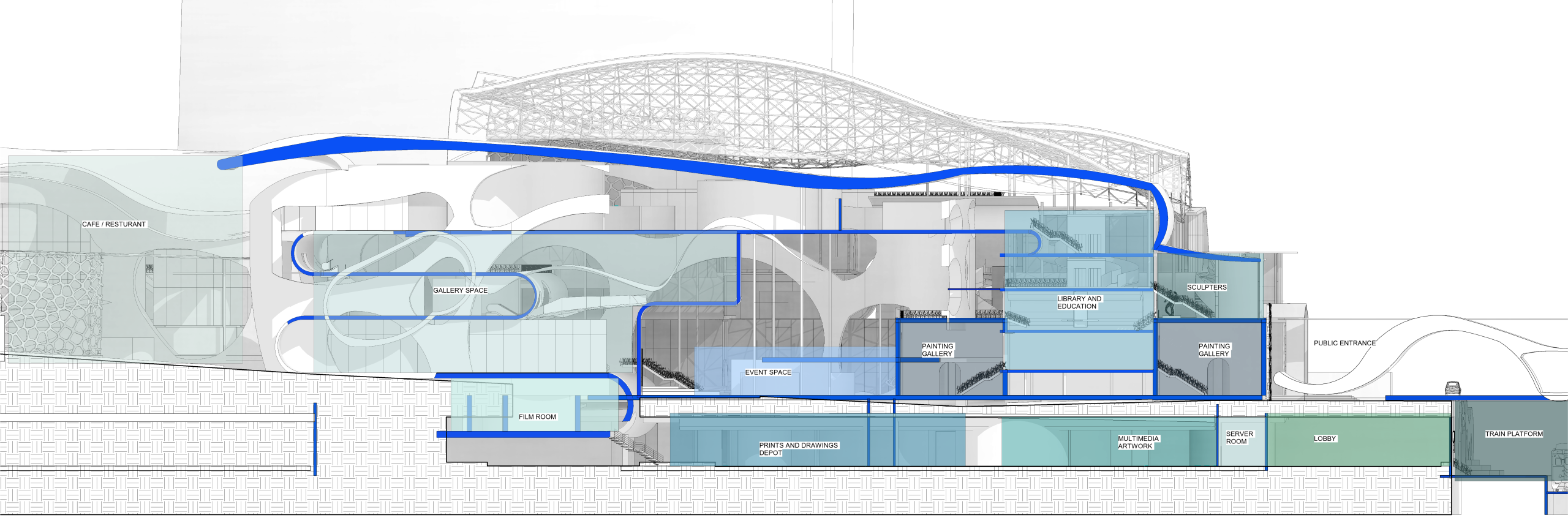
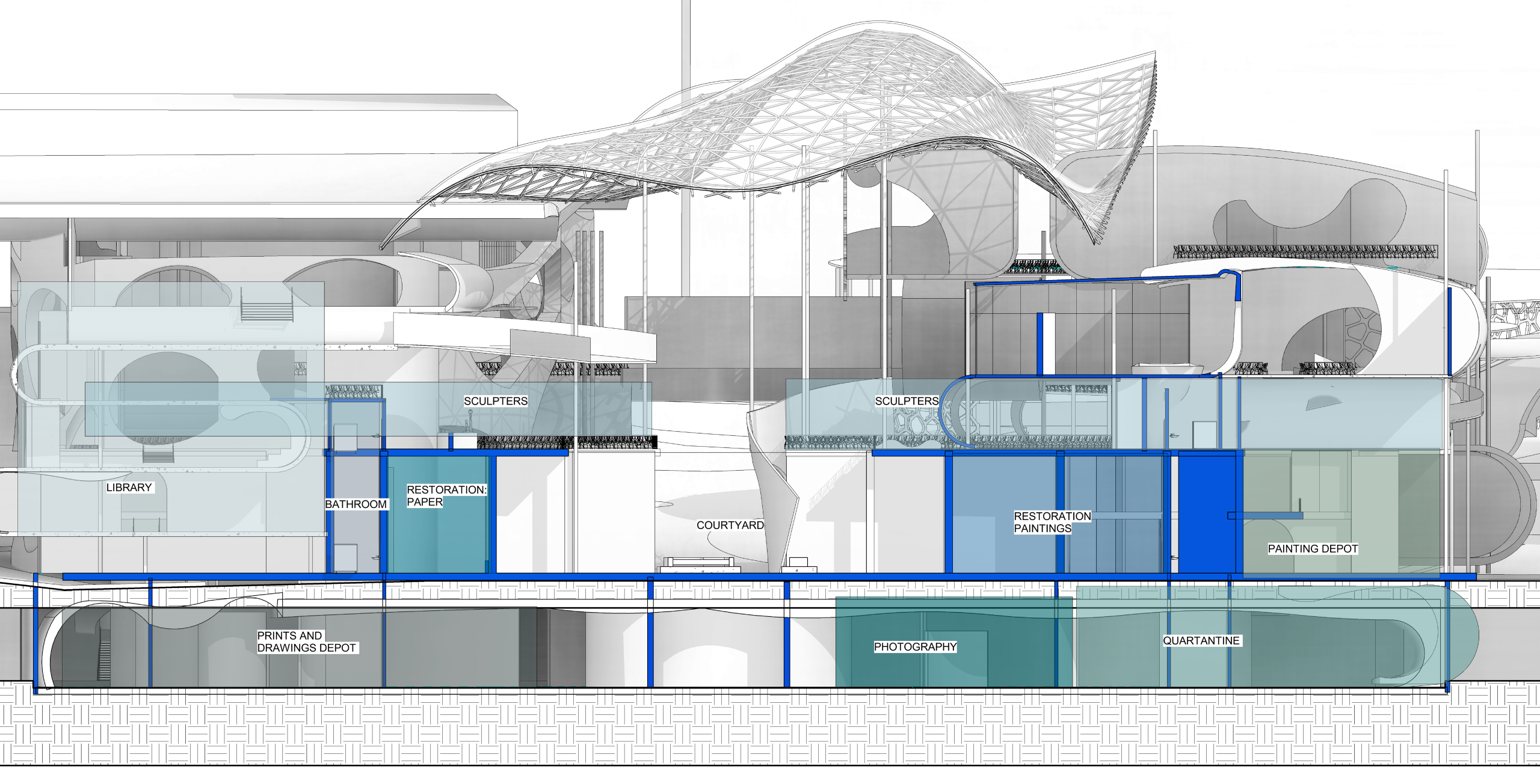
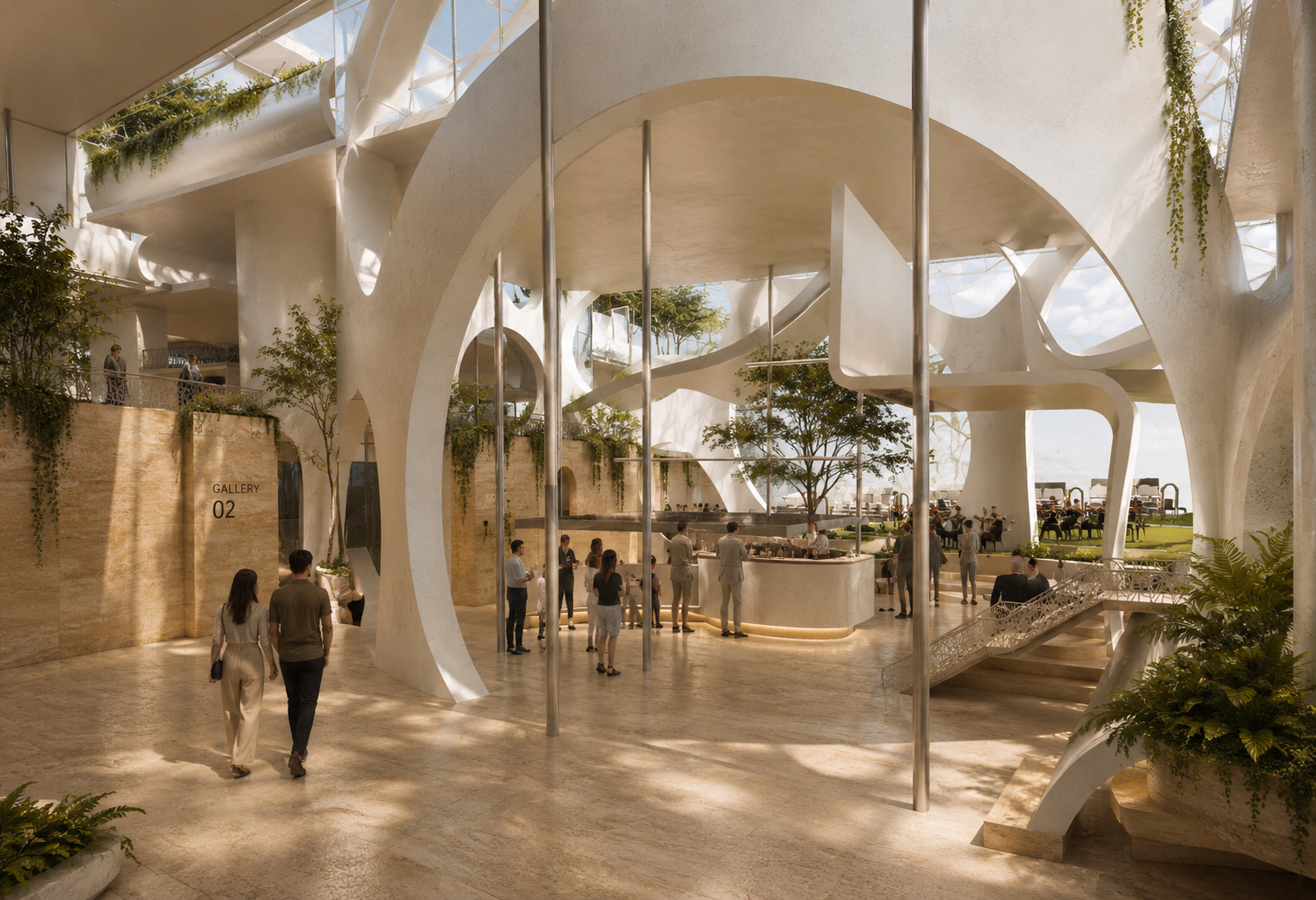
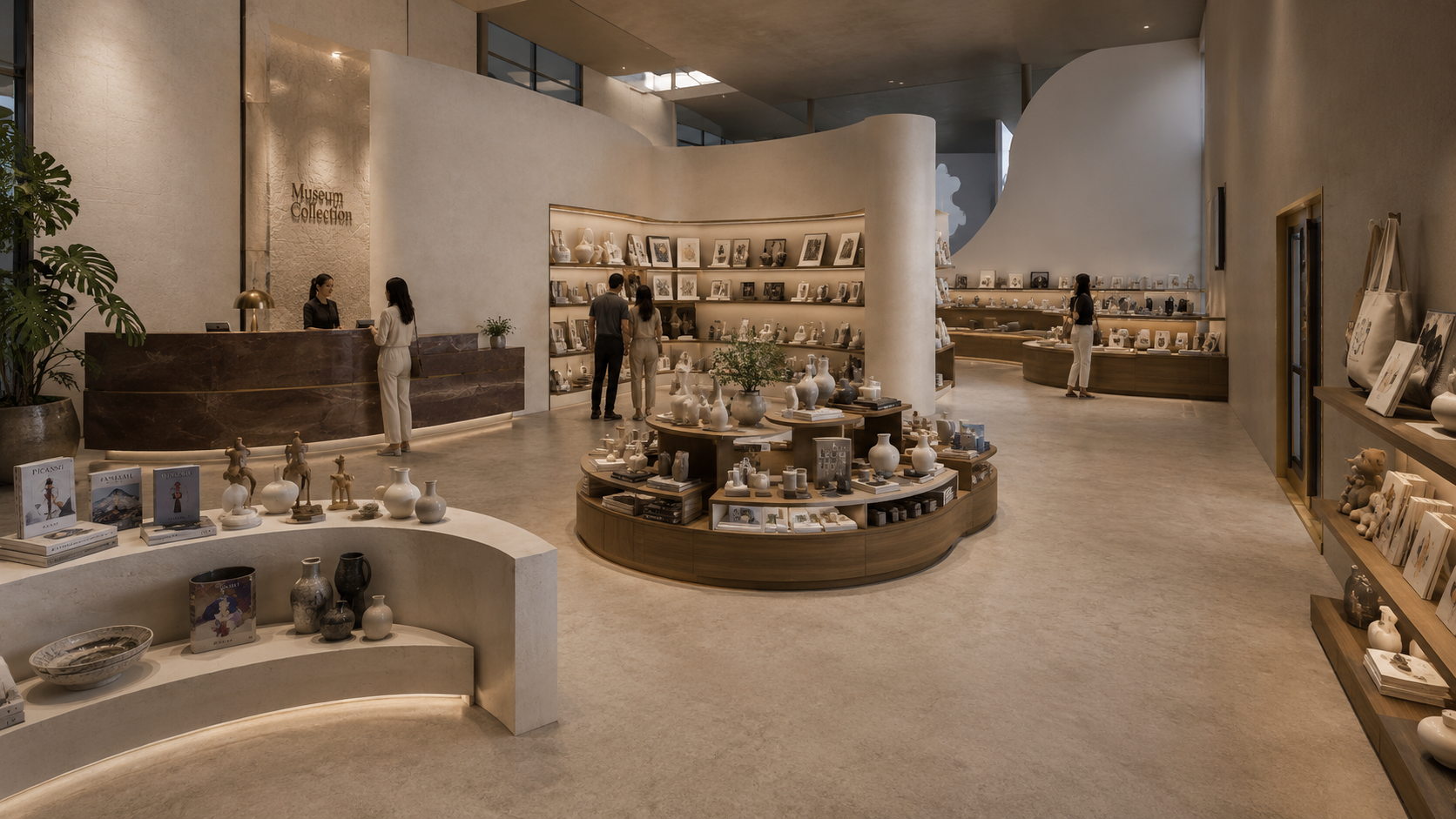
The proposal extends the gallery’s role beyond exhibition by introducing a library, museum shop, event spaces and welcoming public gathering areas that encourage learning, creativity and community engagement. By contrasting lightweight contemporary materials with the permanence of the existing structure, the design establishes a dialogue between old and new.
Ultimately, the project transforms the Johannesburg Art Gallery into a dynamic cultural destination where history is preserved, nature is embraced and architecture becomes a catalyst for connection, renewal and future growth.
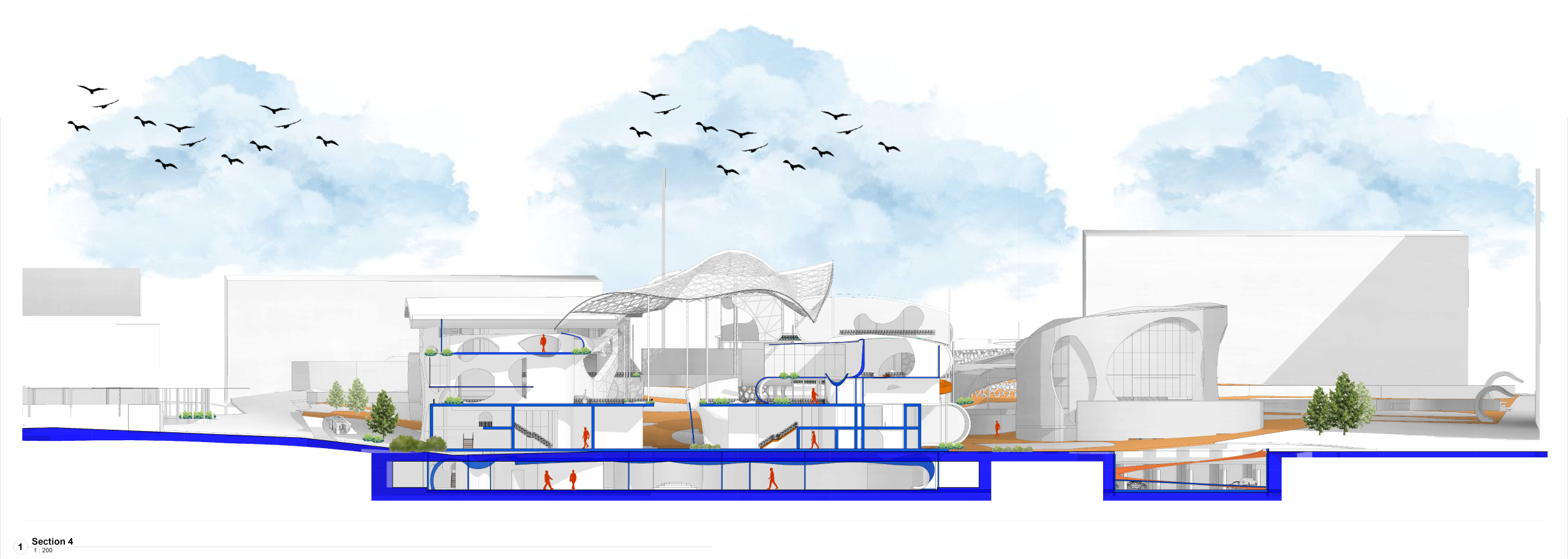
The extension acts as a symbiotic intervention, attaching itself to the existing building without overpowering it. Like organisms in nature that depend on one another for survival, the new architecture coexists with the historic fabric, creating a relationship of support rather than replacement. This dialogue between old and new celebrates the passage of time while allowing the gallery to remain relevant to contemporary Johannesburg.
The flowing architectural form represents movement, growth and continuity. Its organic geometry contrasts with the rigid order of the original building, expressing the transition between permanence and change. The bridge becomes more than a physical connector; it is a symbolic journey that links past and future, heritage and innovation, culture and community.
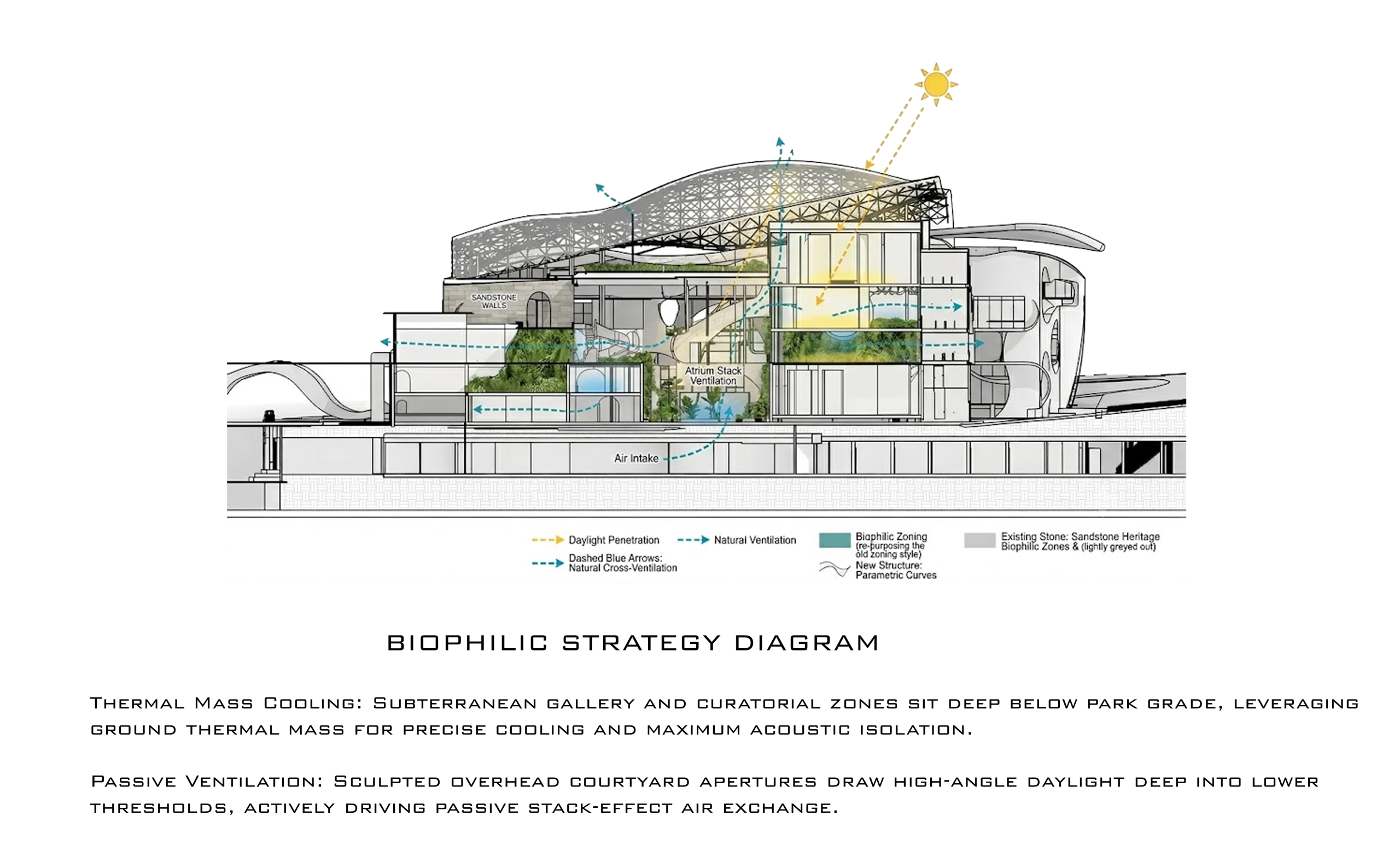
Biophilic design reinforces this narrative by integrating vegetation into the architecture rather than treating it as decoration. Green terraces, planted walkways and interior landscapes allow nature to become an active participant in the spatial experience. As visitors move through the building, they encounter moments where architecture and landscape merge, creating environments that promote wellbeing, reflection and social interaction.
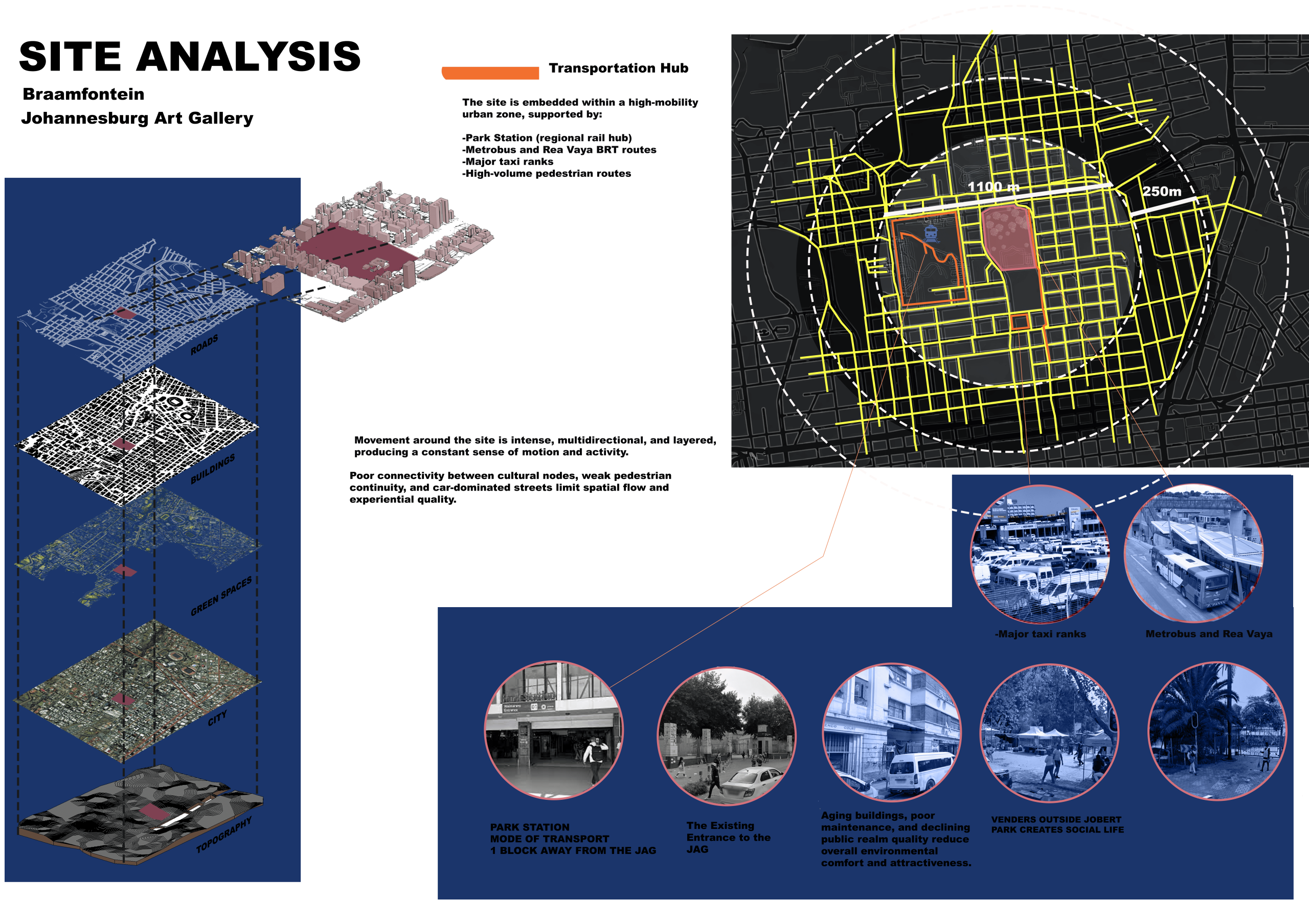
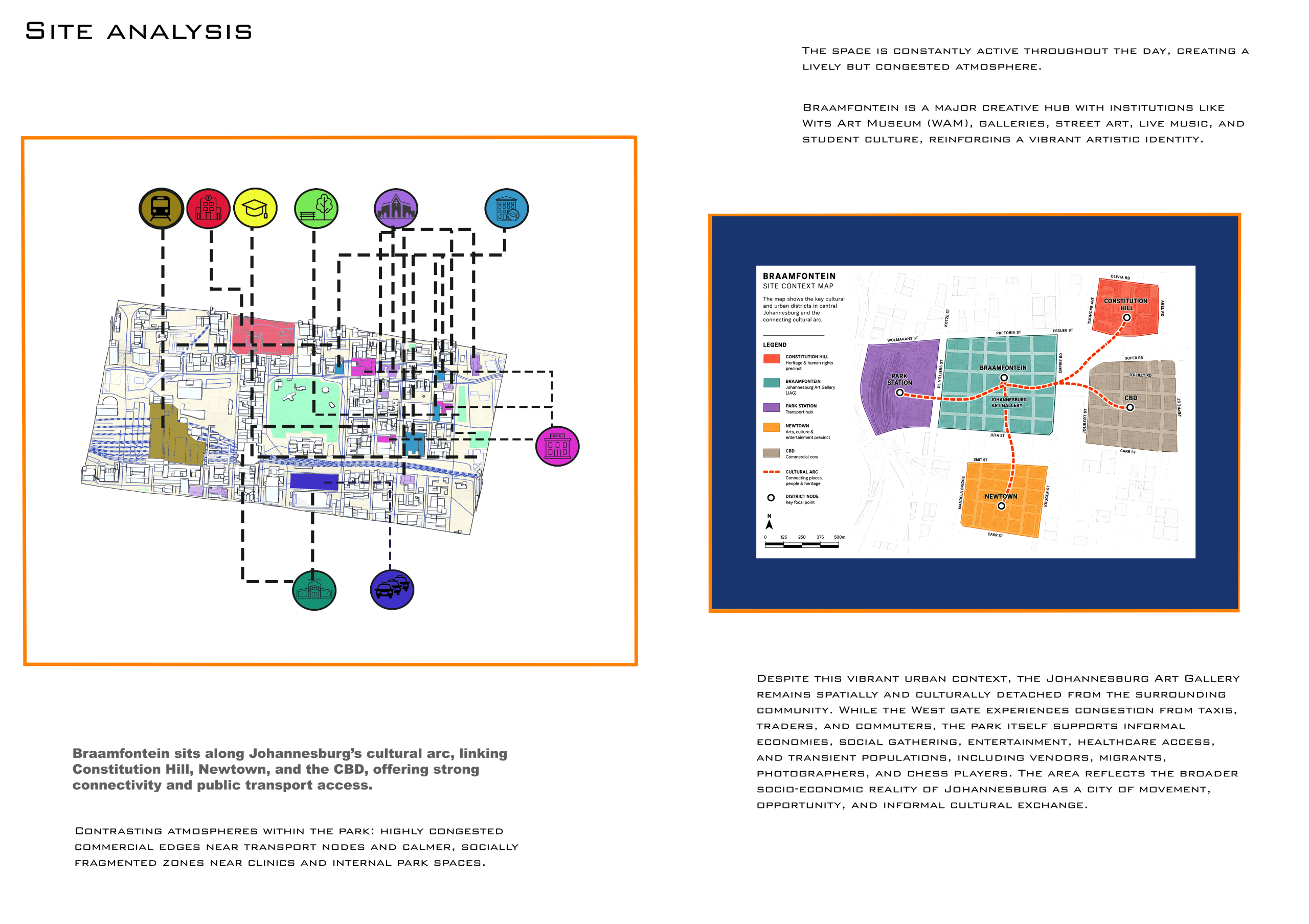
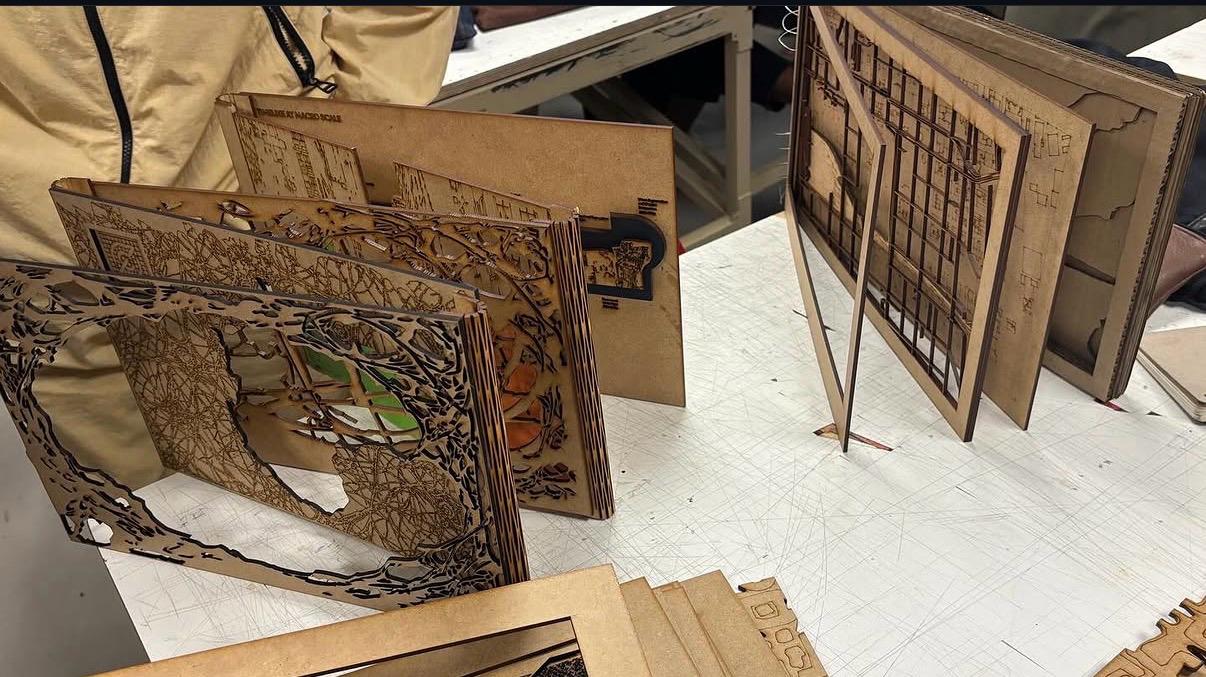
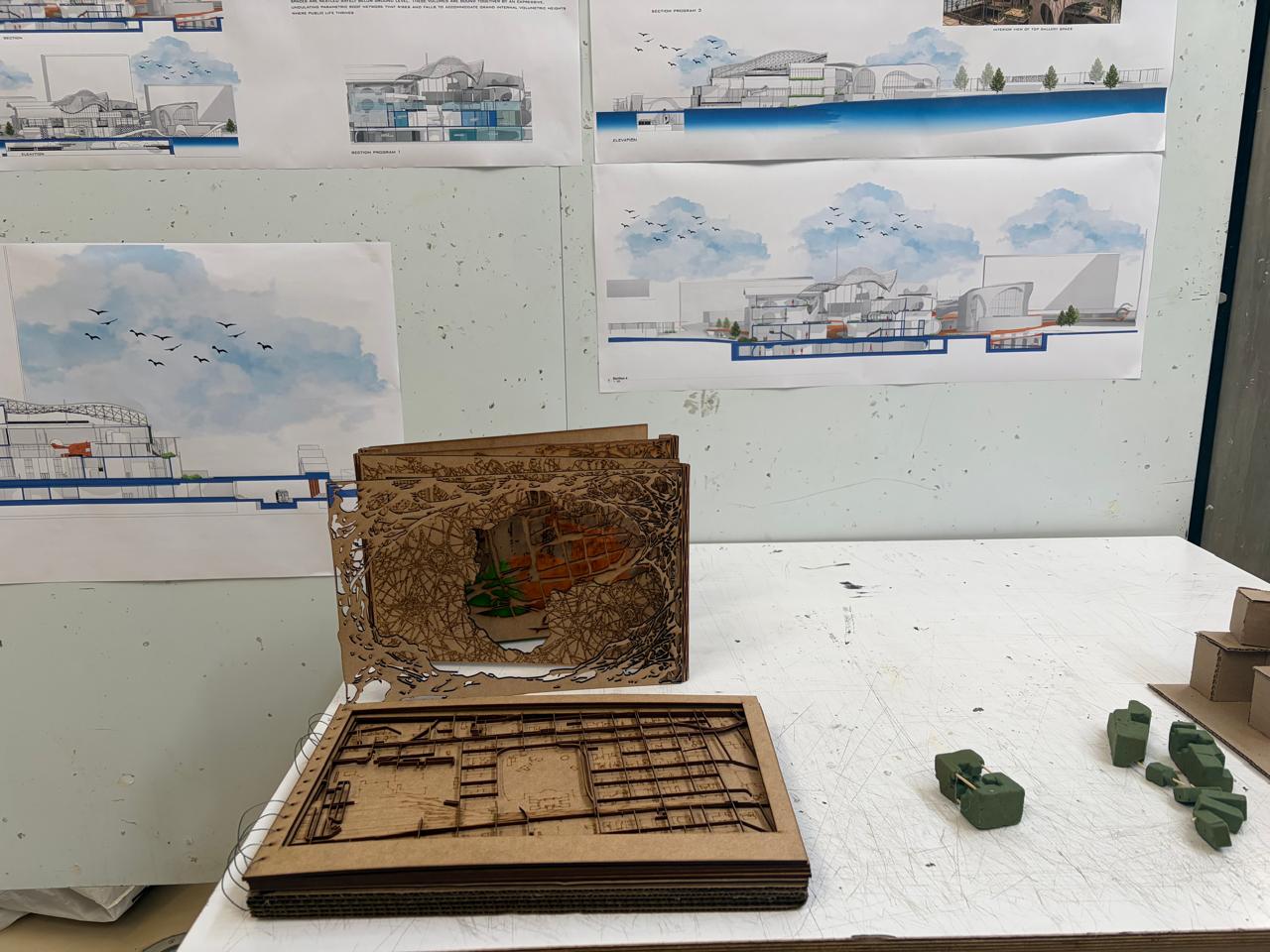
The design process was informed by extensive research into Braamfontein’s historical development, patterns of movement and cultural identity. Mapping exercises revealed layers of transformation within the city, demonstrating how urban environments continually adapt to changing social and economic conditions. These observations inspired an architecture that is not fixed, but capable of evolving alongside its context.
Ultimately, this project reflects a belief that architecture should preserve memory while embracing change. Heritage should not be frozen in time; it should be allowed to grow, adapt and inspire future generations. Through the concept of the Living Bridge, the Johannesburg Art Gallery becomes more than a museum—it becomes an evolving cultural ecosystem where history, people and nature coexist in a continuous cycle of renewal.